
China is an incredible destination with ancient history, modern cities, and warm hospitality. Yet many first-time visitors worry about safety. Based on my years of traveling across China, I can tell you that most trips are trouble‑free if you know a few basic rules. This guide covers the most practical safety tips for foreign tourists – from avoiding scams to handling medical issues. Let’s dive into what really matters for a safe and enjoyable journey.
Is China safe for tourists
China is generally very safe for tourists, even late at night. Violent crime against foreigners is extremely rare. You’ll see public squares full of people dancing or children playing after dark. Police are visible in major cities and usually helpful. However, petty crimes like pickpocketing can happen in crowded areas such as train stations, subways, or tourist hotspots like the Forbidden City. The key is to stay alert without being paranoid. Keep your wallet in a front pocket, zip up your backpack, and don’t flash expensive cameras or phones unnecessarily. Also, avoid walking alone in poorly lit alleys or unfamiliar suburbs after midnight – common sense that applies anywhere.

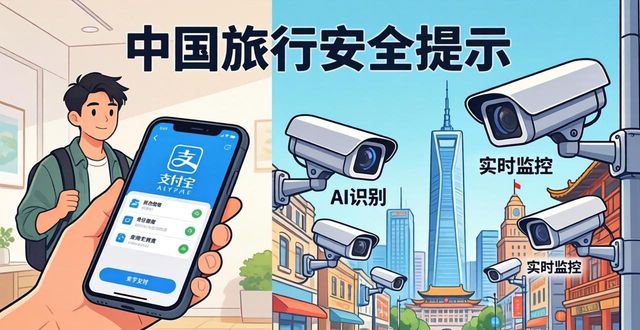
One unique advantage in China is the widespread use of digital payments and public surveillance. Most locals use Alipay or WeChat Pay, so carrying large amounts of cash is unnecessary. Security cameras cover nearly every street corner and shop entrance, which deters most criminals. If you lose something, you can often find it by asking nearby shops or police booths. That said, always have a backup plan – keep a copy of your passport photo and a small amount of emergency cash. For solo travelers, China feels safer than many European or American cities, especially during daylight hours.
How to avoid common scams
Scams targeting foreigners do exist in China, but they are easy to spot once you know the tricks. The most common one is the “tea ceremony scam”. A friendly local invites you to a traditional tea house, then presents you with an enormous bill for a few cups of tea – sometimes hundreds of dollars. Another classic is the “art student scam”, where a young person asks you to see their art exhibition, then pressures you into buying overpriced paintings. Also beware of touts near popular attractions like the Great Wall or the Terracotta Warriors who promise “cheap tours” but take you to overpriced souvenir shops instead.
To avoid these, stick to a simple rule: politely but firmly decline any unsolicited invitation from strangers, especially if they speak fluent English and approach you on the street. Use official tour operators, book through reputable apps like or CTrip, and check reviews before any paid activity. For taxi rides, make sure the driver uses the meter – or better, use Didi (China’s Uber) which shows the price upfront. Never follow a stranger to a shop or teahouse that looks empty. Remember, genuine locals are often shy and won’t aggressively invite you places. If someone insists too much, walk away.
Health and medical emergencies
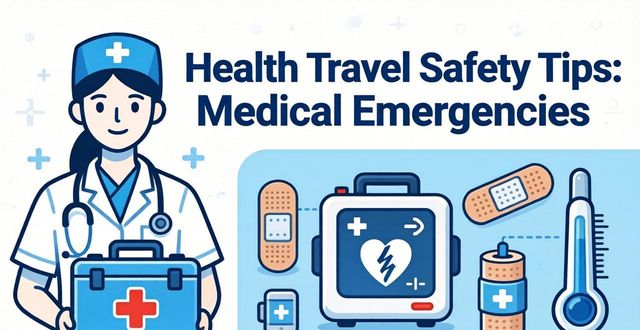
China has good healthcare in major cities, but language can be a barrier. For minor issues like a cold or upset stomach, visit a large pharmacy (dà yào fáng) and show the pharmacist your symptoms using a translation app. Many common medicines require a prescription in China, so it’s wise to bring your own basic supplies: painkillers, antidiarrheal pills, and any prescription meds with a doctor’s note. Tap water is not safe to drink – always buy bottled water or use a filtered bottle. Street food is delicious but look for busy stalls with high turnover to avoid food poisoning.
For serious emergencies, know the numbers: police 110, ambulance 120, fire 119. English-speaking operators may not always be available, so have your hotel’s name and address written in Chinese characters. International hospitals in Beijing, Shanghai, Guangzhou, and Chengdu have English‑speaking doctors but are more expensive. Consider travel insurance that covers medical evacuation – it costs little but saves huge stress. Also, download a reliable translation app like Baidu Translate (works offline) and the WeChat “mini program” for health services. If you have allergies, carry a card in Chinese stating what you’re allergic to. Most importantly, trust your body: don’t push through severe pain or high fever – get help quickly.
Tips for solo female travelers

Solo female travel in China is surprisingly safe, but extra caution never hurts. Chinese cities are generally well‑lit and crowded even at 10pm, and cases of harassment are much lower than in many Western countries. That said, avoid hitchhiking or staying in unlicensed hostels. Choose hotels with good reviews from other solo women – look for terms like “safe area” or “24‑hour reception”. On subways, there are women‑only cars during rush hours (marked in pink on the platform). Use them if you feel more comfortable. At night, take a Didi car instead of walking alone – the app shares your ride details and has an emergency button.
Another practical tip: dress modestly when visiting temples, rural areas, or conservative cities like Xi’an or Lhasa. While casual clothes are fine in Shanghai or Shenzhen,covering shoulders and knees shows respect and reduces unwanted attention. Keep a whistle or a small personal alarm in your bag. Share your itinerary with someone back home, and check in daily through WeChat. Many solo female travelers find Chinese people incredibly helpful – if you look lost, locals often approach to offer directions. Don’t be afraid to ask a woman or a family for help. And remember, saying “bù yào” (don’t want) firmly and walking away works for any uncomfortable situation.
Now I’d love to hear from you – what’s the biggest safety concern you have about traveling to China, and would you like more specific advice on any city or situation? Drop your thoughts in the comments, and if you found this guide useful, please share it with fellow travelers and give it a like!