
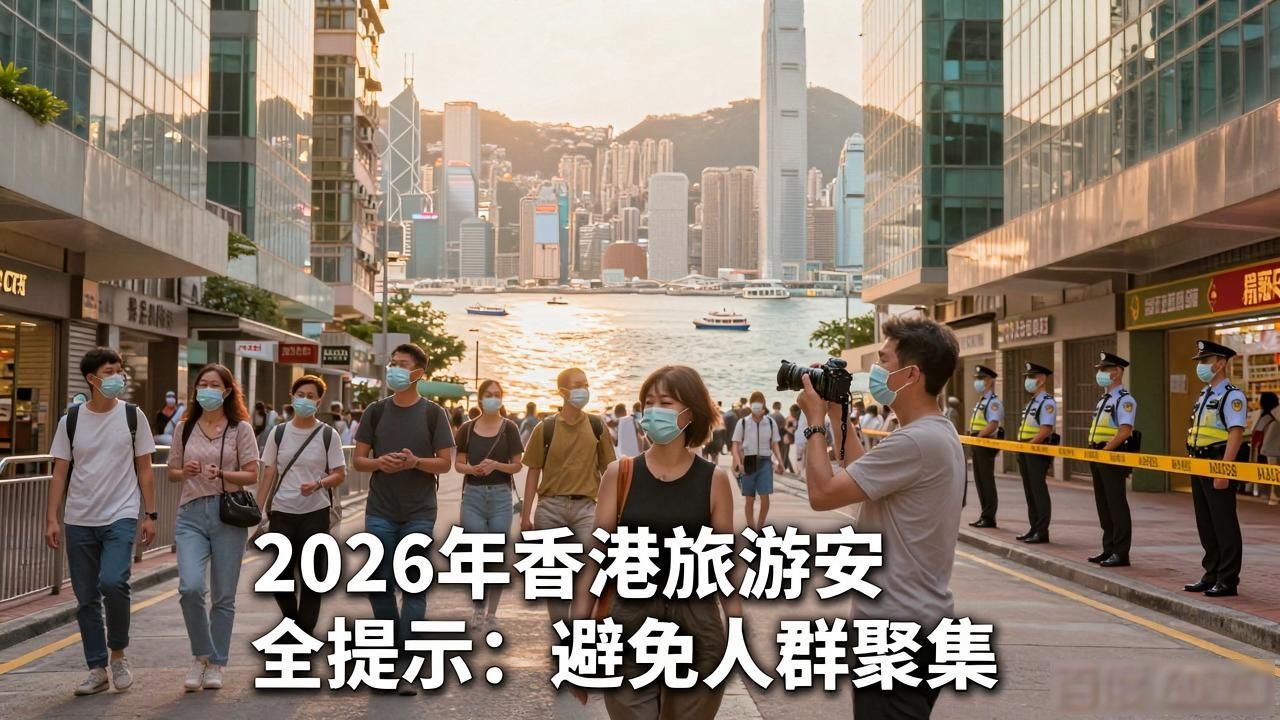
Hong Kong remains a safe and orderly travel destination, with low crime rates, an efficient public transport system, and a well-established legal framework that protects both locals and visitors. Most travelers experience trouble-free trips, though like any major city, it pays to stay aware of your surroundings, especially in crowded areas and late at night. Understanding a few key safety points can help you travel with confidence.
What are the common safety risks for tourists in Hong Kong
Petty crime such as pickpocketing and bag snatching is the most frequent issue tourists face, particularly in busy districts like Mong Kok, Tsim Sha Tsui, and Causeway Bay. Markets, MTR stations, and tourist attractions attract opportunists,so keep your valuables close and avoid displaying expensive items openly. Scams targeting visitors are rare but exist, mainly in tourist-heavy shopping areas where overcharging or fake goods can occur. Stick to reputable shops, check prices before buying, and be cautious of street vendors offering deals that seem too good to be true.
Hong Kong’s public transport is exceptionally safe and reliable. The MTR trains run until around 1 a.m., taxis are metered and regulated, and buses follow strict schedules. At night, areas like Lan Kwai Fong and Wan Chai remain lively but can become rowdy after midnight, especially on weekends. Drunk fights or minor disturbances occasionally happen, so avoid getting involved in arguments and keep your drinks attended in bars.
How can tourists stay safe while exploring Hong Kong
A simple habit is to keep a digital copy of your passport and visa on your phone, and carry only the physical copy when absolutely necessary. The city has a robust emergency response system: dial 999 for police, fire, or ambulance, and operators in English are available. Most hotels have 24-hour front desk staff who can assist with directions or safety concerns, so don’t hesitate to ask for help.
Natural safety considerations are also worth noting. Hong Kong’s typhoon season runs from May to November, and the Hong Kong Observatory issues clear warnings with practical advice. During a typhoon signal No. 8 or above, stay indoors and avoid coastal areas. Hiking trails on islands like Lantau or in the New Territories are generally safe but require proper footwear, water, and a charged phone, as reception can be spotty in remote sections.

Street protests and political gatherings in Hong Kong have become less frequent and more regulated in recent years, but it is wise to avoid large crowds and follow local news updates during your stay. The authorities generally cordon off affected areas quickly, and normal life resumes without much disruption. Trust your instincts: if an area feels tense or overly crowded, simply walk away.
Hong Kong’s safety record speaks for itself, and millions of international visitors enjoy the city each year without incident. With basic precautions, you can focus on the vibrant street food, stunning skyline, and unique blend of cultures that make this city unforgettable.