
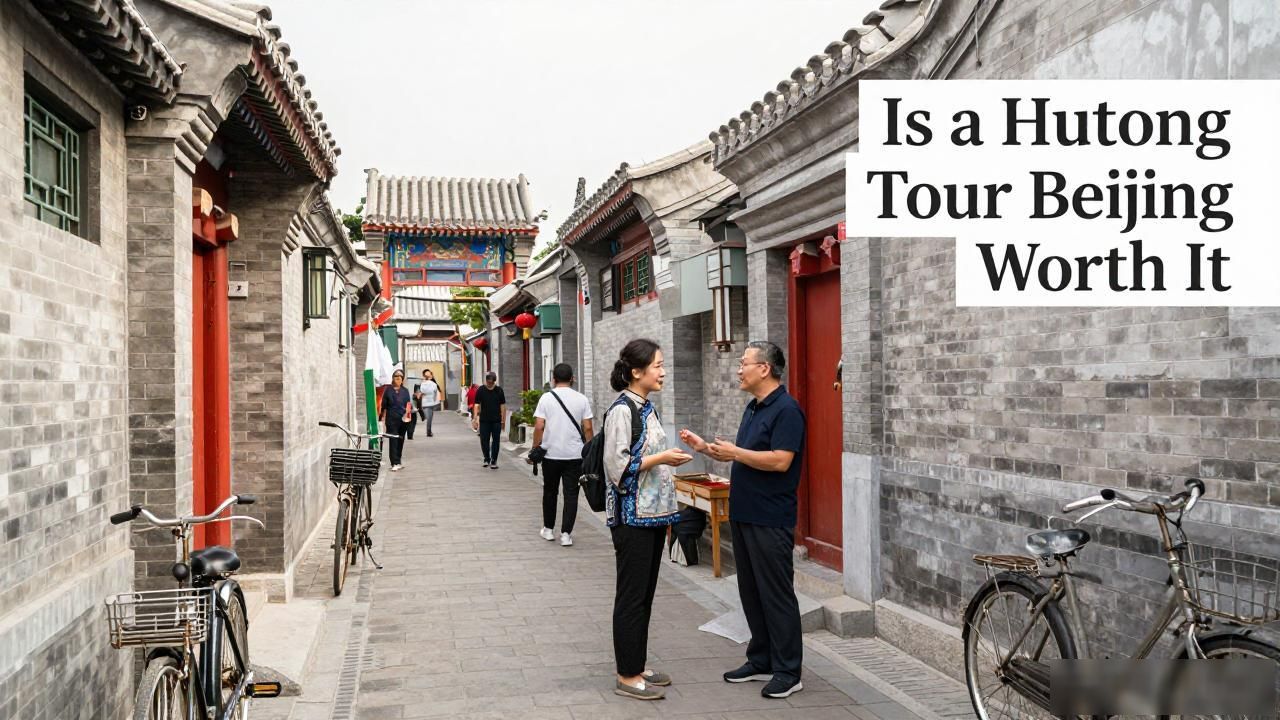
I’ve spent fifteen years walking the same grey-brick lanes of Beijing‘s hutongs, and I can tell you that what you experience on foot is nothing like the glossy travel blog photos. A hutong tour in Beijing strips away the skyscraper façade and drops you into the city’s oldest living fabric. Here’s what I actually see when I walk people through Nanluogu and the quieter western lanes.
What a Hutong tour Beijing actually looks like
You step from a loud, glass-walled intersection into a lane barely wide enough for two cyclists to pass. The walls are the same weathered grey brick from the Ming dynasty onward, and the only color comes from red lanterns and someone’s sun-drying rack stuffed with quilts. The silence is the first shock — no horns, no neon, just shutters clapping in the wind and a grandmother sorting bean sprouts on a wooden stool. You pass courtyard houses where three or four generations still share one compound, and the smell of roasting sweet potatoes drifts from a cart that’s been parked at that corner since 1998.
Tourist brochures show you tidy restored lanes. Reality is messier and more alive. A cat naps on a wall four hundred years old. An uncle argues chess with his neighbor through an open window. The contrast between a modern subway station twenty meters away and the cobbled, wire-tangled alley is almost surreal.

How to pick the right Hutong tour Beijing
Duration matters more than most people realize. Two hours gets you through one lane and into the crowd. Four to five hours lets you cross from Nanluogu into the unmarked western hutongs where shop density drops and residential rhythm returns. Keep group size under twelve; the moment you hit twenty, the lane gets loud and the whole exercise feels like a bus stop. Look for guides who can name the specific family or craft at each courtyard rather than recite “this is where the old silk merchants lived.”
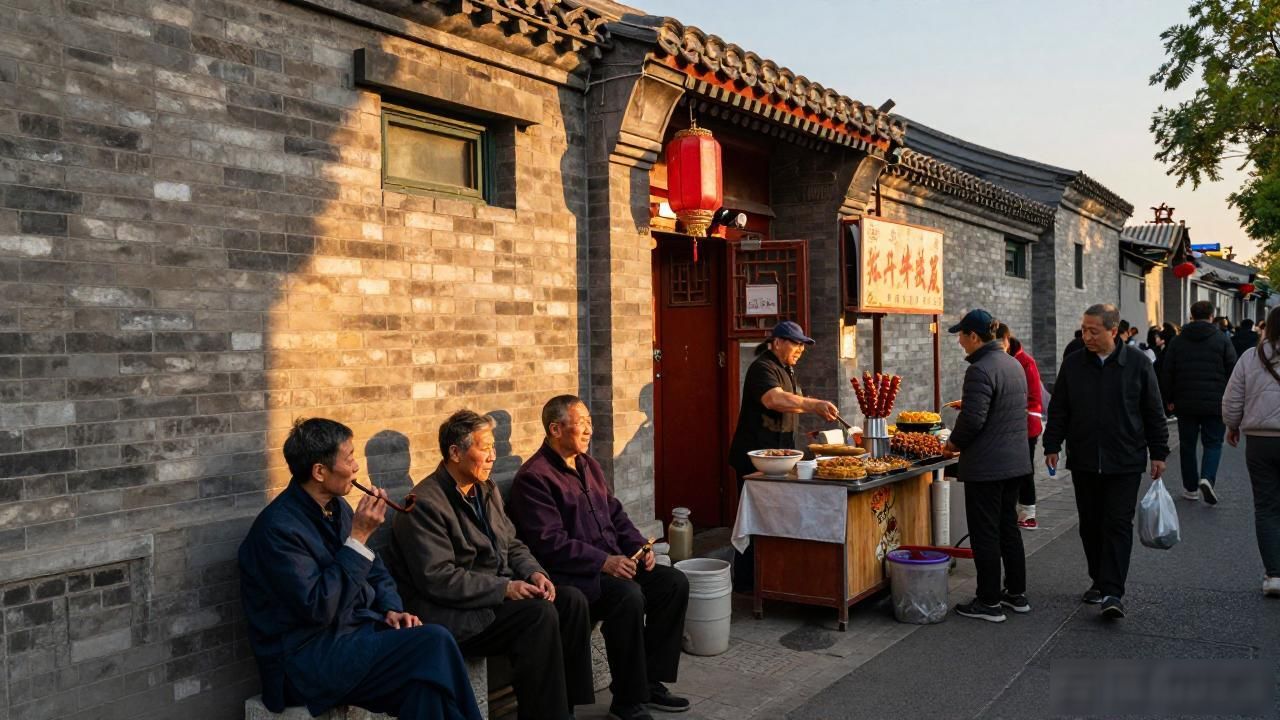
Book for late afternoon. The light hits the brick at a golden angle, the elderly come out for their evening smoke,and street food carts hit peak operation. You’ll taste your way through a dozen stalls that don’t exist on any app.
I still walk these lanes every morning before the tour groups arrive. The cat is still there. The sweet potato cart is still there. That continuity is what no museum can hand you, and it’s why a hutong tour in Beijing earns its spot on your itinerary.