
The Forbidden City, officially the Palace Museum, has long been the single most visited historical site in China. But what most foreign visitors encounter when they plan a trip is a flood of information about “Forbidden City cultural events” that feels scattered and sometimes contradictory. After two decades of covering the museum’s programming on the ground, I can tell you that the reality is far more layered than any travel brochure suggests. The cultural events range from large seasonal exhibitions to small interactive workshops, and they shift constantly with the calendar. My goal here is to cut through the noise and give you a clear, honest picture of what these events actually look like when you walk through those vermilion gates and into the courtyards.
What to expect at Forbidden City cultural events
The phrase “cultural events” at the Palace Museum covers a wide spectrum that surprises most first-time visitors. During the summer months, you will find open-air performances along the Central Axis where actors in reconstructed Ming dynasty costumes demonstrate traditional Peking opera movements, often with live erhu and guqin music filling the stone-paved courtyard air. These are not static museum displays locked behind glass; they are living reproductions that shift with each performance,each performer, and the quality of the afternoon light bouncing off the glazed roof tiles above.

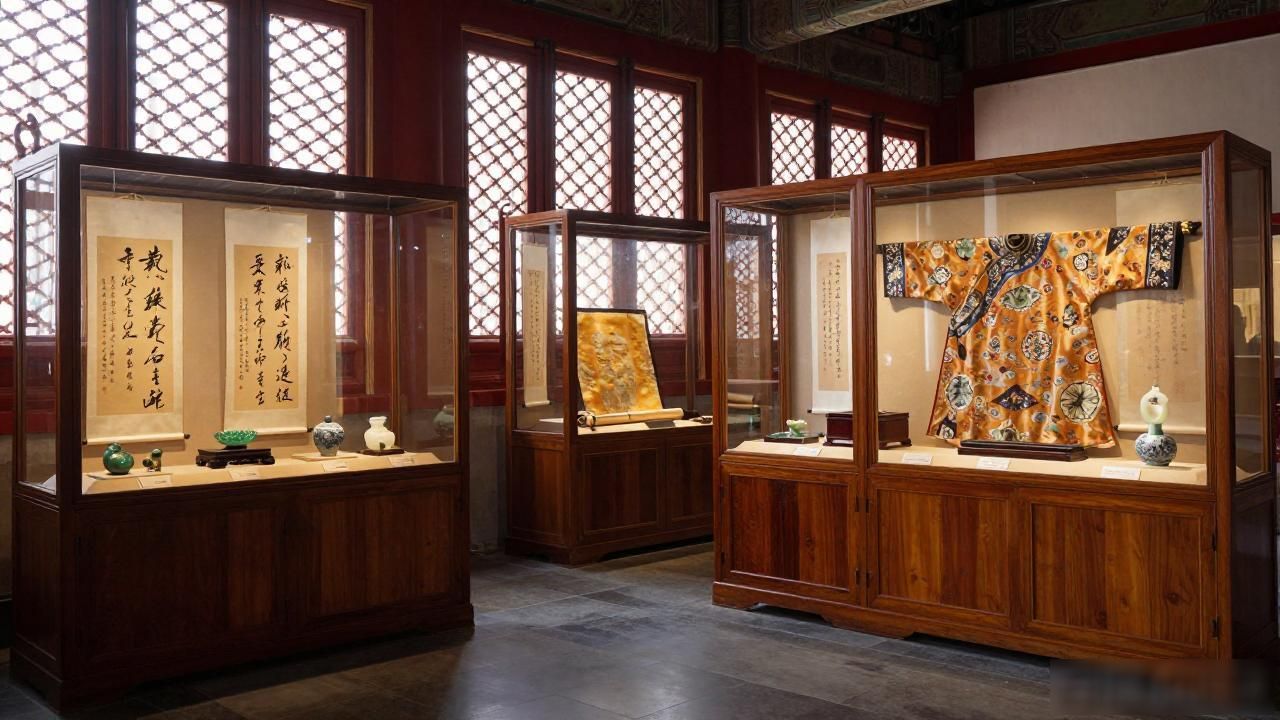
In the winter cycle the focus shifts indoors. The Zhonghe Hall and Wenyuan Pavilion host rotating exhibitions of calligraphy scrolls, ancient silk textiles, and small personal items of the imperial family that rarely leave the collection. Some of these pieces have not been publicly shown in over thirty years. The contrast between the hot, bustling summer courts and the quiet, dim-lit winter galleries is something no photograph can truly capture, and it changes the entire rhythm of how you move through the space.
Are Forbidden City cultural events worth it
Here is the honest answer: it depends on what you are actually chasing. If you want a quick photo op at the Gate of Supreme Harmony and a stamped ticket for your passport, the standard admission ticket covers all of that without extra cost. The cultural events layer is where the visit transforms into something you remember for years after you leave Beijing.
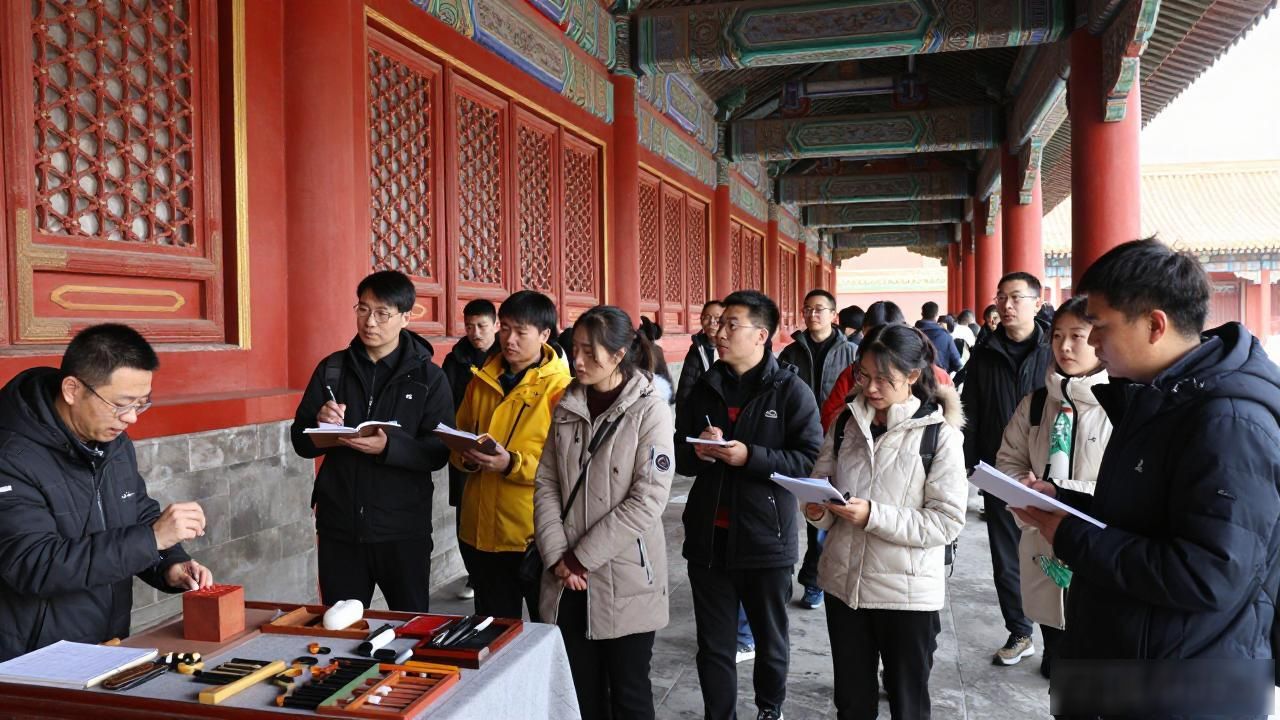
I watched a group of German tourists in late 2019 sit through a forty-minute live lecture on imperial seal-making techniques in a small side hall off the Western corridor, and afterward they walked the entire route a second time, pointing at every carved stone detail and lacquered bracket they had suddenly learned to read differently. That transformation from passive sightseeing to active interpretation is the real value proposition. These events are priced separately, sometimes as low as 50 yuan for a guided exhibition session, and they sell out weeks in advance during festival periods. The small numbers actually improve the experience, because the lecturer can answer questions in English without raising a voice.
When do Forbidden City cultural events take place
The schedule follows both the lunar calendar and the museum’s internal rotation logic. Spring Festival and Mid-Autumn Festival bring the densest cluster of public programming, including live folk craft demonstrations, family-oriented paper-cutting workshops, and themed photography walks through the outer court corridors. The museum publishes its full event calendar on its official website and WeChat mini-program roughly six weeks before each cycle begins, so a little advance checking saves you from showing up to an empty hall.
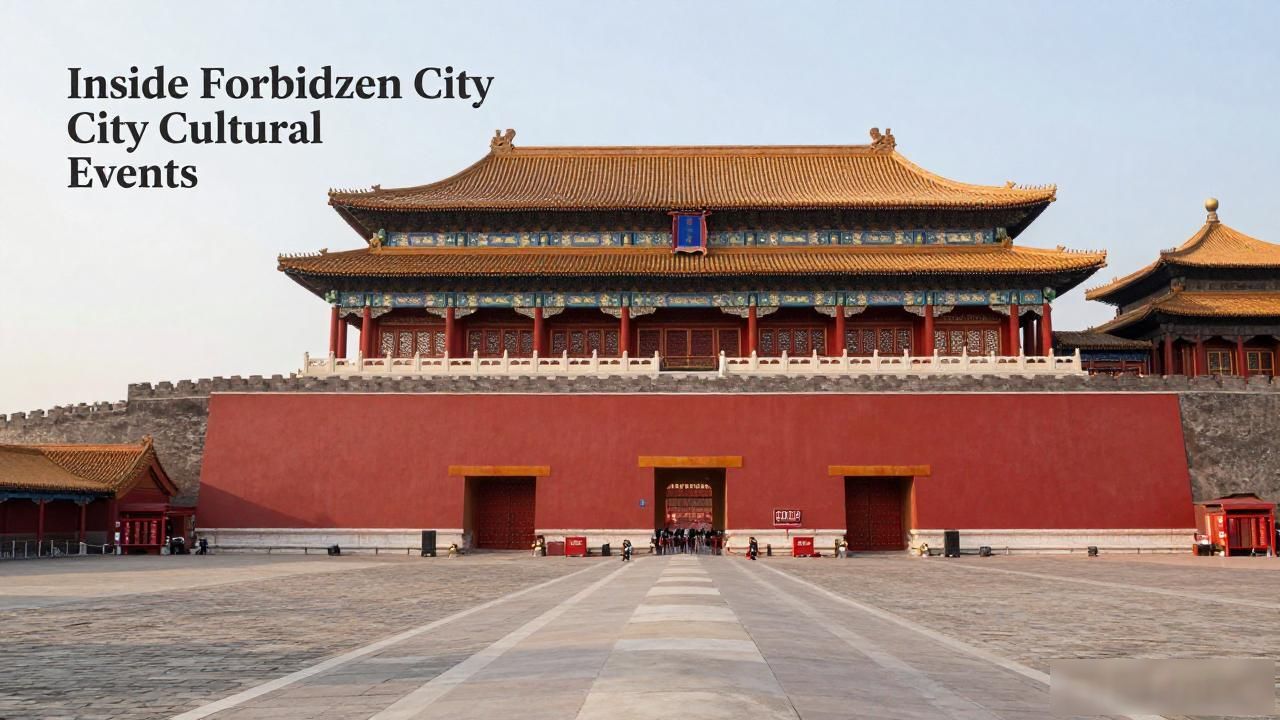
A practical note that trips up a surprising number of visitors: the Palace Museum is closed on Mondays for structural maintenance, and most cultural events simply do not operate on that day. During major renovation periods, certain halls close entirely, and the event schedule compresses into the remaining open areas with different entry points. Checking the current operational status before you travel is not optional; it is essential. I have seen travel groups of twenty stand at the closed Gate of Heavenly Peace for an hour because no one checked the Monday closure.
The Forbidden City has stood for six centuries as the political and spiritual center of an empire. Today it speaks to visitors in a different dialect — through temporary exhibitions, evening performances, and small workshop tables where a craftsman demonstrates a lacquer technique that has not changed in five hundred years. The cultural events are not an add-on layered on top of the architecture. They are the architecture, breathing. Without them the stones and painted beams are just expensive set dressing; with them the whole place gains a pulse you would otherwise walk right past without noticing.