
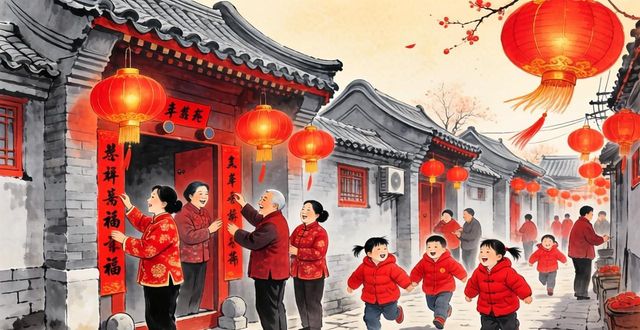
Hutong traditional festivals are the beating heart of old Beijing’s culture, offering an authentic glimpse into how locals have celebrated for centuries. Unlike the grand spectacles in tourist zones, these narrow alleyways preserve intimate, community-driven traditions that many outsiders rarely see. From steaming dumplings during Spring Festival to glowing lanterns lighting up the winding paths, each festival transforms the hutongs into a living museum. This guide will walk you through the most vivid celebrations, unique local customs, and practical tips to experience them yourself. Whether you are a curious traveler or a culture enthusiast, understanding these festivals will deepen your appreciation for Beijing’s hidden alleys.
Which festivals are most vividly celebrated in Hutongs
Spring Festival, or Chinese New Year, is the undisputed king of hutong celebrations. During this time, every doorway is adorned with red couplets and paper cuttings, while the smell of frying spring rolls and braised pork fills the air. Families gather in cramped courtyards to make jiaozi (dumplings) together, often hiding a coin inside for good luck. The narrow lanes echo with laughter, firecracker pops (where still permitted), and children chasing each other in new clothes. Unlike high-rise apartments, hutongs force neighbors to celebrate side by side, creating a warmth that is hard to find elsewhere.
The Lantern Festival, falling on the 15th day of the lunar new year, turns hutongs into a fairy-tale maze. Residents hang handmade lanterns outside their siheyuan gates, many shaped like rabbits, fish, or zodiac animals. Children carry small glowing lanterns as they run through the alleys, solving riddles attached to the bigger displays. Tangyuan, sweet glutinous rice balls, are boiled and shared with every neighbor who stops by. Because hutongs are narrow and interconnected, the lantern light bounces off the grey brick walls, creating an enchanted atmosphere you simply cannot get on a wide boulevard.

How do Hutong residents celebrate the Spring Festival differently
In hutongs, the Spring Festival is less about grand firework shows and more about close-knit rituals. One unique tradition is “sweeping the dust,” where every family cleans their courtyard and alley portion days before New Year’s Eve. Then, on the eve itself, the oldest resident leads a small offering to the Kitchen God, burning incense in a tiny shrine tucked into a wall niche. While modern apartments have lost such customs, hutongs keep them alive because space is shared and ancestors are remembered within the same courtyard where generations have lived.
Another distinct practice is the “open courtyard” dumpling feast. On New Year’s morning, families open their siheyuan gates and invite neighbors to taste their fillings—pork with cabbage, lamb with spring onion, or even sweeter versions with red bean paste. Kids run between courtyards collecting candy and lucky red envelopes. Unlike standardized building complexes, each hutong household adds its own twist, so you might taste ten different dumpling recipes within a hundred meters. This spontaneous sharing is what makes hutong Spring Festival feel so genuine and unforgettable.
What makes the Lantern Festival special in narrow alleys
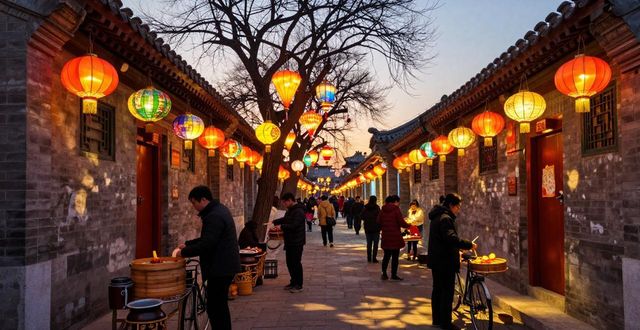
The Lantern Festival in hutongs is special because the alleys themselves become part of the display. Residents compete to create the most creative lantern using recycled items—old jars, bamboo steamers,even bicycle wheels. As dusk falls, the entire neighborhood transforms into a tunnel of flickering lights, with shadows dancing on the uneven brick paths. Because hutongs twist and turn, you never know what surprise awaits around the next corner: perhaps a dragon lantern made of silk scraps, or a row of floating lotus lanterns in a shared water vat.
Riddle-solving takes on a communal twist in hutongs. Instead of reading riddles alone on a screen, locals write them on colored paper strips tied to lanterns. Neighbors walk in small groups, arguing over answers and laughing at wrong guesses. If you solve one, the lantern owner gives you a small gift—often a hand-drawn rabbit or a pouch of dried fruit. This interactive, low-tech celebration forces people to slow down, talk face to face, and rediscover the joy of collective play. For a foreign visitor, joining a lantern walk is one of the most heartwarming ways to connect with ordinary Beijingers.
Where can you experience authentic Dragon Boat Festival in Hutongs
To experience the real Dragon Boat Festival (Duanwu) in hutongs, head to the older preserved areas like Shichahai or Nanluoguxiang’s side alleys. On the fifth day of the fifth lunar month, you will find residents washing mugwort leaves and hanging them above doorways to ward off evil. Local aunties set up makeshift tables in the alley, teaching anyone who stops by how to wrap zongzi—sticky rice packets with dates or pork, tied with reed leaves. The aroma of boiling zongzi fills the narrow space as neighbors swap family recipes passed down for decades.
Unlike big commercial events, hutong Duanwu emphasizes handmade, slow traditions. You might see an elderly man drawing “wang” characters (meaning king) on children’s foreheads with realgar wine, an ancient practice to repel insects. Small clay bells and five-color silk threads appear on kids’ wrists. Because hutongs lack large open squares, the celebration spills into tiny public wells and shared stairways, keeping every inch alive with activity. For the most authentic experience, arrive early, bring a small gift like fruit to share, and simply ask a resident if you can join their zongzi wrapping—most will happily welcome you.
Why are Mid-Autumn Festival mooncakes shared among neighbors
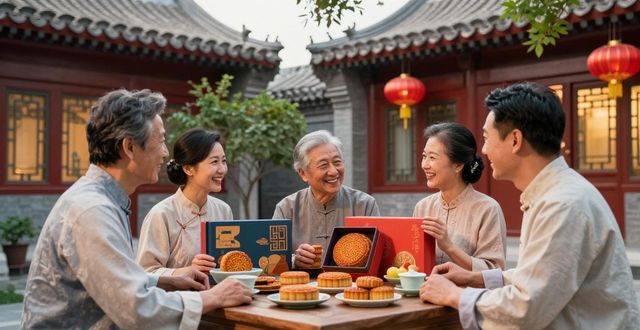
Mid-Autumn Festival in hutongs is all about communal moon gazing and the joyful exchange of homemade mooncakes. Neighbors bake or buy mooncakes with different fillings—lotus seed paste, red bean, or even savory meat versions—and then walk from courtyard to courtyard, offering slices to each other. The custom stems from the hutong’s layout: because families live so close, refusing a mooncake is considered rude, so everyone ends up sampling a dozen varieties. This forced sharing breaks down barriers and turns even quiet neighbors into friends.
After sunset, residents set up small tables with pomelos, persimmons, and lit incense to honor Chang’e, the moon goddess. In a modern apartment, you might just glance at the moon from a balcony. But in a hutong, you sit on stone steps with five other families, passing around tea and cracking sunflower seeds. Children race down the alley carrying rabbit-shaped lanterns, while the elderly tell stories about the jade rabbit pounding medicine. The festival’s true magic lies not in the mooncakes themselves, but in the spontaneous, neighborly bond that only a hutong’s cramped and cozy space can create.
Have you ever taken part in a traditional festival inside a bustling Chinese hutong? What surprised you the most—or if you haven’t, which of these celebrations would you love to see firsthand? Share your thoughts in the comments below, and don’t forget to like and pass this guide along to fellow culture explorers.