
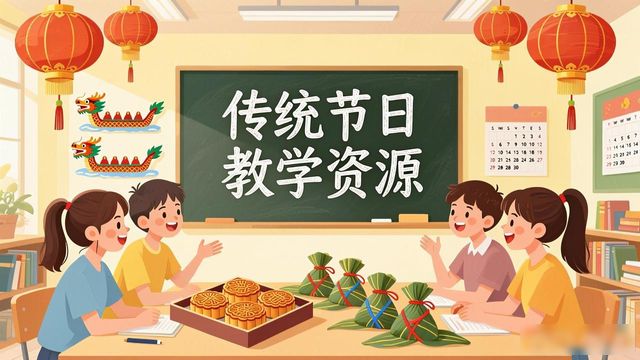
Traditional festivals are not just about food, parades, and days off—they are powerful educational tools waiting to be unlocked. For teachers, homeschoolers, and parents looking for engaging ways to teach culture, history, language, and even science, traditional festivals offer a rich, hands-on learning environment. This article explores how these cultural celebrations can be transformed into meaningful educational resources that resonate with learners of all ages.
What makes traditional festivals effective for learning

Festivals naturally combine storytelling, sensory experiences, and community participation, which are all proven to boost memory and understanding. When a child tastes mooncakes during the Mid-Autumn Festival or watches a dragon dance for Lunar New Year, they are not just having fun—they are absorbing cultural knowledge through multiple senses. This kind of experiential learning sticks far longer than reading from a textbook.
Take Diwali, for example. Instead of simply explaining the story of Rama and Sita,you can have students create clay lamps, discuss the symbolism of light overcoming darkness, and explore the science behind fireworks. The festival becomes a living classroom where history, art, and physics meet naturally. Teachers report that students who learn through festivals show higher engagement and better retention of related facts.
Another powerful aspect is the emotional connection. Festivals evoke joy, anticipation, and a sense of belonging. When learners associate positive emotions with educational content, they are more likely to develop a lasting interest in the subject. This is especially valuable for teaching cultural diversity and empathy in multicultural classrooms.
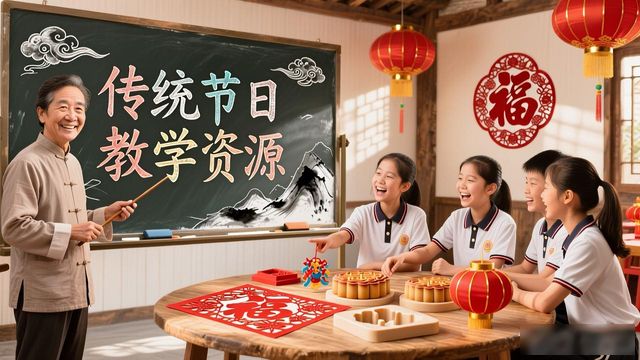
How to design lessons around festival themes
Start by choosing a festival that aligns with your curriculum goals. If you are teaching about harvest cycles, look at Thanksgiving, Chuseok, or the Harvest Moon Festival. For language arts, festivals like Carnival or Hanami offer rich vocabulary related to costumes, nature, and celebration. The key is to identify the educational core of the festival and build activities around it.
A practical approach is to create themed learning stations. For a lesson on Lunar New Year, set up one station for calligraphy, another for the story of the zodiac animals, and a third for cooking dumplings. Each station targets different skills: fine motor, reading comprehension, and teamwork. This structure allows students to rotate and engage with the material from multiple angles.
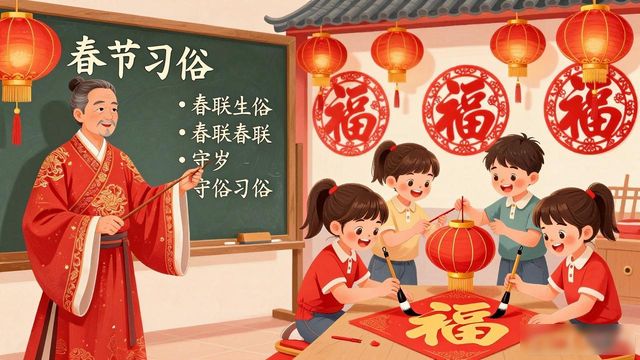
Assessment can also be festival-themed. Instead of a traditional test, ask students to create a festival guide, design a poster, or perform a short skit explaining the festival’s significance. This project-based assessment not only evaluates knowledge but also builds creativity and presentation skills. Many educators find that students produce higher quality work when the assignment feels like a celebration rather than a chore.
Traditional festivals offer a bridge between academic content and real-world experience. By weaving them into your teaching, you create lessons that are memorable, inclusive, and deeply educational. Whether you are teaching in a classroom, a community center, or at home, these resources are already around you—just waiting to be used.