
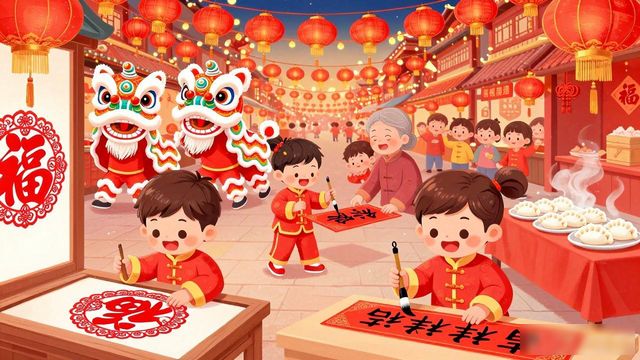
Chinese New Year educational programs offer a fantastic opportunity to introduce children to one of the world’s oldest and most vibrant cultural celebrations. These programs go beyond simple crafts, providing structured lessons that teach history, traditions, and values in an engaging way. Whether you are a teacher planning a classroom unit or a parent looking for meaningful holiday activities, understanding the core elements of a good program will help you create lasting learning experiences.

What should a good Chinese New Year lesson include
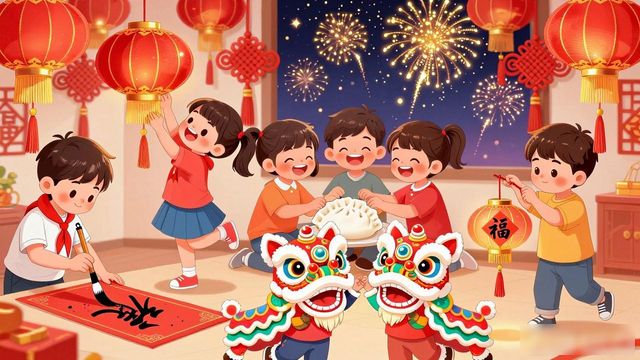
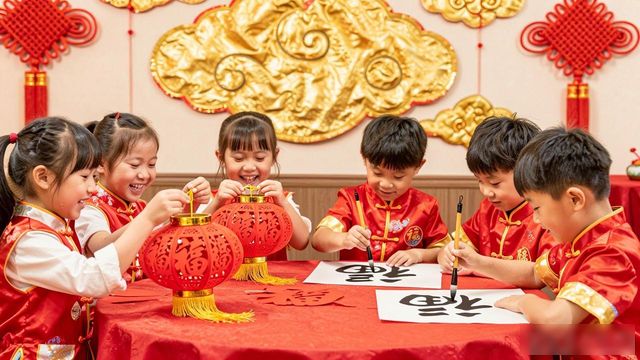
A strong educational program needs to balance fun with factual content. Kids learn best when they are actively involved, so hands-on activities are essential. Start with the story of the zodiac animals, which naturally captivates young imaginations. Let children find their own zodiac sign and learn about its personality traits. This personal connection makes the lesson memorable. Another key component is the symbolism behind common customs. Why do people give red envelopes? What does the color red represent? Explaining these meanings turns a simple craft into a cultural lesson. For example, when children make paper lanterns, they are not just creating decorations. They are learning about how lanterns symbolize letting go of the past and welcoming brightness into the new year. Food is another natural entry point. Teaching children about dumplings, which resemble ancient Chinese silver ingots, connects cooking with history. A simple tasting session with dumplings or rice cakes can spark discussions about fortune and family unity. Do not forget about the lion dance. Short video clips followed by a movement activity where children mimic the dance steps can burn off energy while reinforcing the purpose of scaring away evil spirits.
How to adapt programs for different age groups
Younger children from preschool to first grade require programs that are sensory and short. Focus on bright colors,simple songs, and repetitive actions. A lesson on the Chinese New Year might involve singing a greeting song, touching red fabric, and making a simple paper plate drum. The goal is exposure rather than deep understanding. For elementary students, you can introduce more complex concepts like the Lunar calendar versus the solar calendar. Have them compare dates. Older children can handle deeper discussions about family values, filial piety, and the importance of reunion dinners. They can research how Chinese New Year is celebrated differently in various regions like mainland China, Taiwan, or Hong Kong. Project-based learning works well here. Assign groups to create a presentation on topics such as the history of firecrackers or the meaning of the Spring Festival couplets. Teenagers benefit from programs that encourage critical thinking. They can analyze how modernization has changed celebrations or compare holiday traditions across cultures. A debate topic might be whether fireworks should be banned for safety reasons while preserving cultural heritage.
The best Chinese New Year educational programs respect both the joy and the depth of the tradition. They invite curiosity rather than demand memorization. When children leave a program feeling that they have discovered something beautiful and meaningful, the lesson truly takes hold.