
China is a photographer’s dream destination, offering everything from futuristic cityscapes to ancient temples and dramatic natural landscapes. But capturing these scenes well requires more than just pointing and shooting. The key is understanding how light, crowds, and local customs affect your shots. This guide covers the most practical photography tips for traveling in China, helping you return home with images that truly tell a story.
How to handle crowded tourist spots
One of the biggest challenges in China is dealing with massive crowds at iconic locations like the Great Wall, Forbidden City, or West Lake. Arriving at sunrise is your single best strategy. Most tour buses arrive around 9 AM, so getting there at 6 or 7 AM gives you at least an hour of relatively empty spaces. Use a wide-angle lens to get close to your subject and exclude the people behind them. For street scenes, embrace the crowds instead. A slow shutter speed of 0.5 to 1 second, using a tripod or resting your camera on a railing, will turn moving people into soft blurs while keeping stationary buildings sharp.

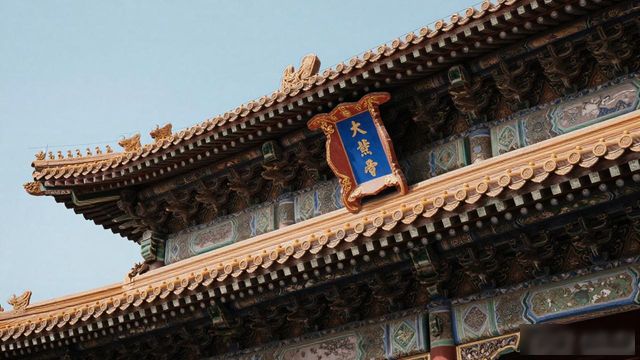
If you cannot avoid peak hours, look upward. The intricate roof details, painted beams, and decorative ridges of Chinese architecture are often overlooked by ground-level photographers. A telephoto lens around 70-200mm lets you isolate these details against the sky, cutting out the crowd entirely.
What camera settings work best for different landscapes
China’s landscapes vary wildly. For the karst mountains in Guilin or Yangshuo, underexpose by half a stop to prevent the bright sky from washing out the green hills. Use a polarizing filter to cut through haze and deepen the blue sky. For desert scenes in Dunhuang or Zhangye Danxia, shoot in the golden hour just after sunrise or before sunset. The low angle light brings out texture in sand and colorful rock layers.
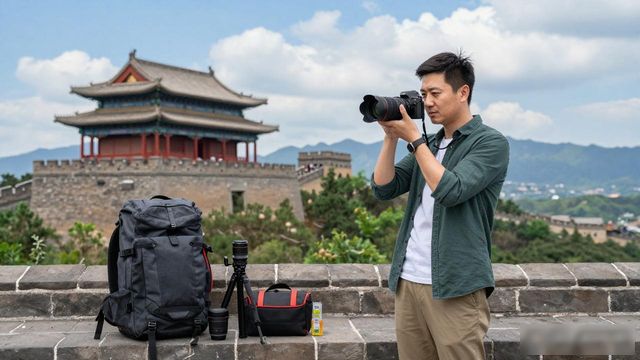
Night photography in cities like Shanghai or Hong Kong demands a tripod. Set your ISO to 100 for clean files, aperture to f/8 for maximum sharpness, and use a 2-second timer to avoid camera shake. For long exposures of neon signs or river reflections, start with 5 seconds and adjust. In rural areas like Yunnan’s rice terraces, shoot in aperture priority mode between f/8 and f/11 to keep everything from the foreground water to distant mountains in focus. Always shoot in RAW format so you can recover highlight and shadow details later.
How to photograph people respectfully
Portrait photography in China requires cultural awareness. In ethnic minority regions like Tibet or Xinjiang, always ask permission before pointing your camera at someone. A simple smile and holding up your camera works. If they say no, respect that immediately. In big cities like Beijing or Chengdu, street photography is more accepted, but avoid photographing homeless people or security personnel. When photographing street vendors, buy a small item first as a gesture of goodwill. This breaks the ice and often leads to more natural, willing portraits.
For posed portraits in historic areas, early morning light creates soft, flattering skin tones. Position your subject so the light hits their face from the side, creating depth. Use a fast prime lens like 35mm or 50mm at f/1.8 to blur distracting backgrounds while keeping the person sharp. If you want to include the environment, step back and stop down to f/4 or f/5.6.
China rewards patience. Wait for the lone figure in a red coat to walk through the ancient alley. Watch for the fisherman casting his net at sunrise on the Li River. The best shots come not from rushing, but from observing how light and life move together in this vast, beautiful country.