

Traveling in China is an incredible experience, but like any destination, being aware of safety basics can make your trip smoother and more enjoyable. As someone who has spent years advising international travelers, I know that most safety concerns come from unfamiliarity rather than danger. China is generally a very safe country for tourists, with low violent crime rates and a strong police presence in cities. However, practical precautions around health, transportation, and personal belongings are still important to keep in mind.

Is China safe for solo travelers and tourists
Many first-time visitors worry about personal safety, especially when traveling alone. In my experience, China ranks among the safest large countries for solo tourists. Violent crime is rare, and locals are often willing to help if you look lost or confused. That said, petty theft can happen in crowded areas like train stations, markets, and tourist attractions. Keep your phone, wallet, and passport in a secure bag, preferably in front of your body. I always advise carrying a copy of your passport and visa while leaving the originals in your hotel safe. Also, be cautious when using public Wi-Fi or unfamiliar apps. Stick to reputable networks and avoid accessing sensitive accounts on public connections. Solo female travelers generally report feeling safe during the day and in well-lit areas at night, but it never hurts to trust your instincts and avoid overly quiet streets after dark.
What health and transportation risks should I watch out for
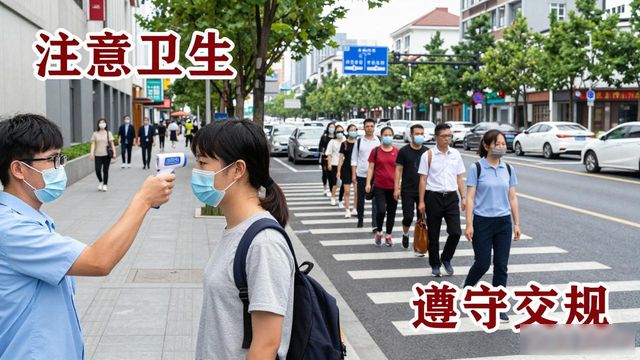
Health and transportation are two areas where preparation really pays off. Tap water is not safe to drink in China, so always carry bottled water or use a reliable water purifier. Street food is delicious but can sometimes upset sensitive stomachs. I suggest eating from busy stalls with high turnover and avoiding raw or undercooked items. For transportation, taxis and ride-hailing apps like Didi are generally safe, but always confirm the license plate and driver details before getting in. In major cities like Beijing and Shanghai, the subway is efficient and well-monitored. However, watch your belongings on crowded trains and buses. If you’re traveling to rural or high-altitude areas like Tibet or Yunnan, consider altitude sickness preparation and travel insurance that covers emergency evacuation. Lastly, carry a basic first-aid kit with motion sickness pills, bandages, and any prescription medications you need, as some medicines may not be available without a local doctor’s visit.
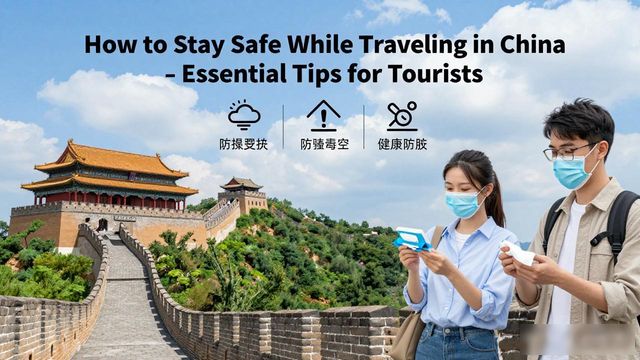
Staying safe in China comes down to common sense and a little advance planning. The country is welcoming, modern, and full of wonders,and most trips go smoothly without any safety issues. Keep your valuables secure, stay aware of your surroundings, and take basic health precautions. By doing so, you can focus on enjoying the rich culture, delicious food, and unforgettable sights that China has to offer. Safe travels