
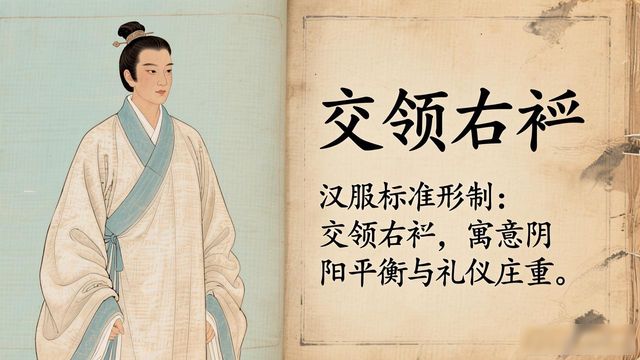
When it comes to buying or wearing Hanfu, the first thing most people get confused about is authenticity. Many items online look traditional but are actually modern adaptations or even costumes. Understanding authentic Hanfu styles means recognizing the historical roots, the correct garment structures, and the cultural spirit behind each piece. It’s not just about looking pretty, it’s about honoring centuries of Chinese heritage.
What defines an authentic Hanfu style

Authentic Hanfu is not a single look, but a broad category that includes several distinct historical styles from different Chinese dynasties. The most commonly recognized ones include the cross-collar robe (jiaoling youren), where the left side crosses over the right, creating a Y-shaped neckline. This is a signature feature that separates real Hanfu from imitation costumes. For example, the Shenyi style from the Han dynasty is a one-piece robe that wraps around the body, while the Quju features curved lapels that add a unique flowing silhouette.
Another key element is the use of natural fabrics like cotton, linen, and silk. Authentic Hanfu never relies on shiny synthetic polyester or cheap lace trims. The sleeves vary by style, wide and flowing in the Wei-Jin period, or narrower and more practical in the Ming dynasty. Paying attention to these small details helps you spot the real thing. Many beginners make the mistake of buying a hanfu-inspired dress that looks close but misses these fundamental rules.
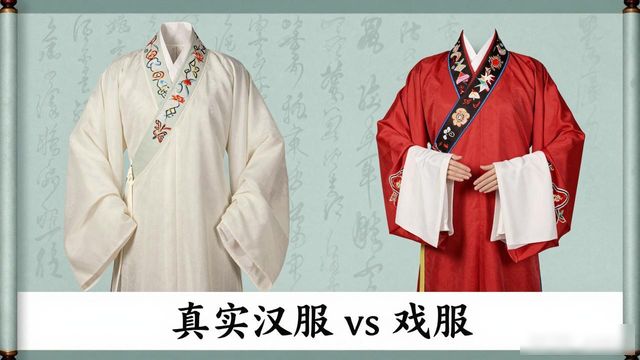
How to tell real Hanfu from costume pieces
The biggest trap for shoppers is confusing stage costumes or modern fantasy wear with authentic Hanfu styles. Real Hanfu is constructed with flat patterns no darts, no zippers,and no elastic waistbands. Everything is held together by sashes, buttons, or ties. If you see a dress that requires a back zipper or has a fitted bustier shape, it is not authentic. These are modern designs that borrow Hanfu elements but do not belong to the tradition.
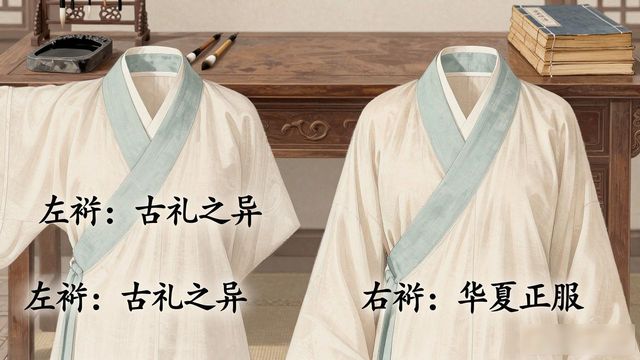
Another simple test is the collar and closure direction. All authentic Hanfu closes on the right side of the chest. If the garment closes on the left, it is either a costume or a mistake, and in traditional Chinese culture, left-closing garments were reserved for the deceased. This is a critical rule that many replicas get wrong. Also, look for the presence of inner layers. Real Hanfu outfits often include an inner garment (zhongyi) and sometimes a skirt or pants underneath. A single-layer dress with no visible collar layering is usually not authentic.
Understanding these basics will save you money and help you appreciate the real beauty of Hanfu. Once you start looking for these small structural details, you will quickly see the difference between a carefully made garment and a mass-produced imitation.