
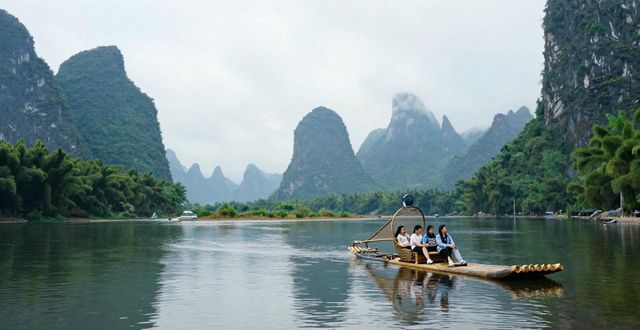
The Li River and Guilin form one of China’s most iconic natural landscapes, famous for their limestone karst peaks, emerald waters, and misty mountain views. For foreign travelers, this region offers a rare glimpse into a world where nature and rural life blend effortlessly. The key to enjoying it fully is knowing how to navigate the area beyond the tourist crowds.

What makes the Li River cruise worth your time
A Li River cruise is not just a boat ride—it’s a moving postcard. The stretch from Guilin to Yangshuo is the most celebrated, passing through scenes that have inspired Chinese ink paintings for centuries. You’ll see water buffalo grazing along the banks, fishermen on bamboo rafts, and jagged peaks rising straight from the water. The cruise lasts about four to five hours, and most boats offer a simple lunch and an open-air deck for photos. If you want a more intimate experience, consider a smaller bamboo raft instead of a large tour boat. The raft allows you to get closer to the water and feel the mist on your face, especially in the early morning when the river is quiet. But be aware that motorized rafts can be noisy, so check the type before booking. The cruise is weather-dependent—rain creates a dreamy haze, while clear skies offer sharper views. Either way, the landscape delivers.

How to explore Guilin and Yangshuo without the rush
Guilin city itself is a pleasant stop, but the real magic lies in the countryside around it. Spend a day wandering the Seven Star Park or taking a short walk along the Two Rivers and Four Lakes area. These spots are easy to reach and give you a taste of local life. From Guilin, head to Yangshuo by bus or taxi—it’s about an hour’s drive. Yangshuo is smaller, more relaxed, and packed with outdoor activities. Rent a bicycle or an e-scooter and ride through the rice paddies and small villages. The Moon Hill hike is short but rewarding, with a panoramic view of the karst landscape at the top. For something different,watch the Impression Liu Sanjie show in the evening, set against the natural stage of the river and mountains. Local food is worth trying too—beer fish is a signature dish, and street stalls sell fresh rice noodles for a few yuan. Avoid the overly commercialized West Street at peak hours; instead, explore the quieter lanes behind it.

The Li River and Guilin offer a balance of natural wonder and cultural depth. With a bit of planning, your trip can be both relaxing and unforgettable.