

The Li River cruise from Guilin to Yangshuo is one of China’s most celebrated water journeys, famous for its karst peaks, tranquil waters, and rural landscapes. As a travel advisor who has guided hundreds of visitors through this route, I can tell you that a well‑planned cruise transforms a simple boat ride into an unforgettable experience. In this guide, I’ll cover everything you need to know – from the best season to hidden onboard tips – so you can make the most of your Li River adventure.
What is the best time for Li River cruise

The ideal window for a Li River cruise runs from April to October, when the weather is warm and the landscape is lush green. During these months, rainfall is frequent enough to keep the river full, but you’ll also enjoy clear spells that reveal the famous misty peaks. Avoid the peak summer months of July and August if you dislike crowds – the boats can get packed, and the heat becomes intense. I always recommend late September to early October, when the autumn light softens the hills and the humidity drops. Winter cruises (November to February) are quieter and cheaper, but the water level often drops, exposing rocky banks and reducing the scenic drama.
How long does Li River cruise take
Most standard cruises last between four and five hours, covering roughly 83 kilometers from the Zhujiang Pier (near Guilin) to Yangshuo. You’ll board around 9:00 AM and arrive near Yangshuo by 2:00 PM, including a short stop for lunch on the boat. Some premium tours extend the journey to six hours with extra activities like a bamboo raft detour or a guided village walk. If you’re short on time, a speedboat option exists, but it sacrifices the relaxed deck experience and photo opportunities. For first‑time visitors, the classic four‑hour cruise strikes the perfect balance – long enough to absorb the scenery, yet short enough to avoid fatigue.

Which cruise route is most scenic
The stretch from the Xingping section to the Nine Horse Fresco Hill is universally considered the highlight of the Li River. This is where you’ll see the iconic 20‑yuan banknote scene – a fisherman with a cormorant against a backdrop of jagged limestone peaks. Boats typically pass this area about two hours into the journey, so stay on the upper deck with your camera ready. The water here winds sharply around the hills, creating mirror‑like reflections on calm days. Don’t confuse the upstream routes near Guilin city; they offer pleasant countryside views but lack the dramatic karst formations that make Li River famous. Always confirm your itinerary includes the full route to Yangshuo, not a shortened loop.
What to expect onboard a Li River cruise
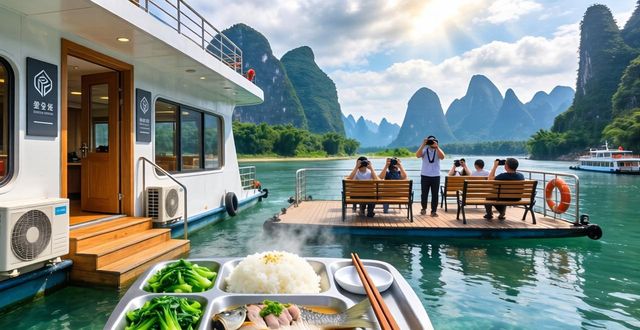
Modern Li River cruises are far more comfortable than travelers expect. Most boats have air‑conditioned lower cabins, open upper decks for photography, and clean restrooms. Lunch is included in the ticket price – usually a simple Chinese meal of rice, vegetables, and a fish dish. However, the food is mediocre at best, so I advise eating a hearty breakfast before boarding and bringing snacks. English audio guides are available on many vessels, but they often skip historical details. For a richer experience,download a map of the karst formations beforehand or hire a local guide who travels with the boat. Also, prepare for souvenir vendors who paddle up to the cruise – their bamboo‑root carvings are overpriced but make for fun bargaining practice.
Before you book, consider this: would you rather join a crowded standard cruise for the lowest price, or pay a bit extra for a smaller boat with fewer passengers and a dedicated commentary? Share your preference in the comments – and if this guide helped you, give it a like and share it with fellow travelers planning their Li River journey.