
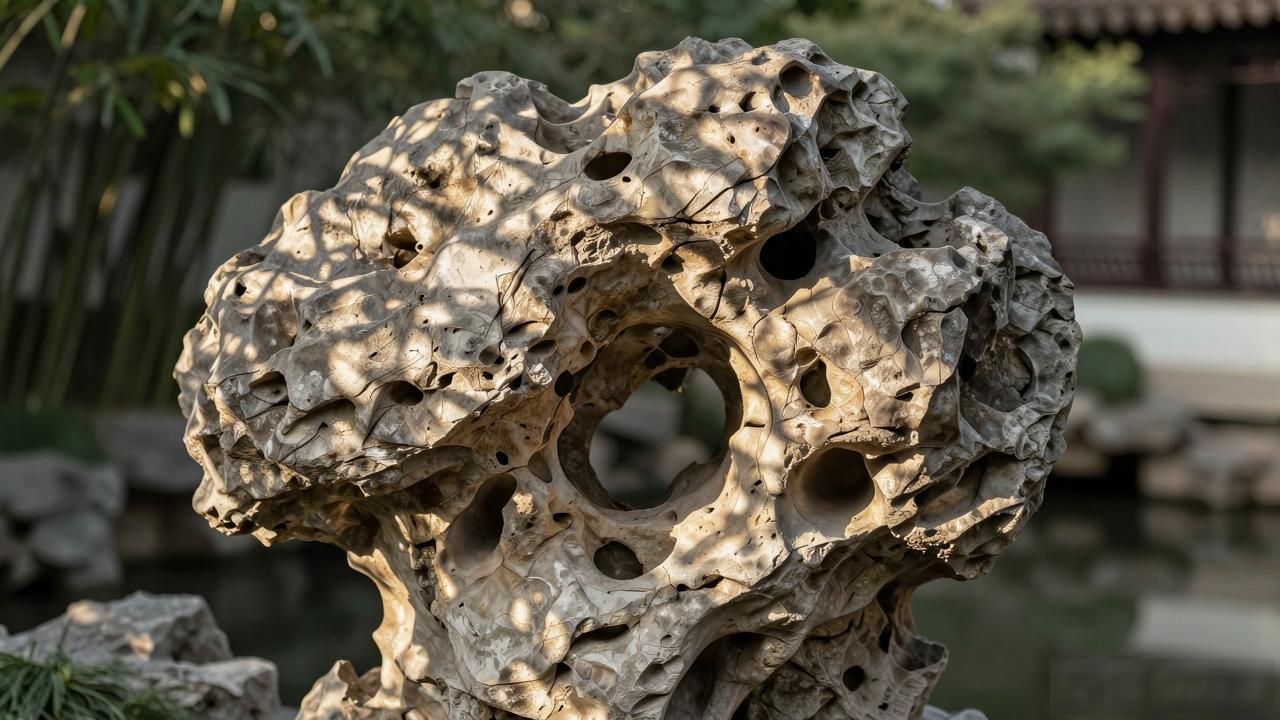
The stone arrangements in Suzhou’s classical gardens are not mere decorations; they are the soul of the landscape. For visitors, understanding these rockeries transforms a simple walk into a profound cultural experience. These formations mimic natural mountains, compressing vast landscapes into small courtyards. The goal is to capture the essence of nature, not just its appearance.
Why Are Rockeries Important in Suzhou Gardens?
Rockeries serve as the physical and spiritual center of many gardens. They provide structure, guiding the eye and the path through the space. Without them, the garden would lack depth and character. The stones are selected and placed with meticulous care, ensuring each piece contributes to the overall harmony. This art form dates back centuries, reflecting a deep respect for nature’s power and beauty.

The choice of stone is critical. Taihu rocks, known for their porous and twisted shapes, are the most famous. Their irregular forms create interesting shadows and textures. Other stones, like those from Huangshi, offer a different aesthetic, emphasizing solidity and age. The combination of these materials creates a visual rhythm that changes with the light and seasons.
How to Choose the Best Rockery Views?
Finding the best vantage points requires patience and observation. Look for frames created by windows, doors, or tree branches. These natural frames highlight specific aspects of the rock formation,turning them into living paintings. The interplay of light and shadow on the rocky surfaces adds dynamism, making the scene feel alive.
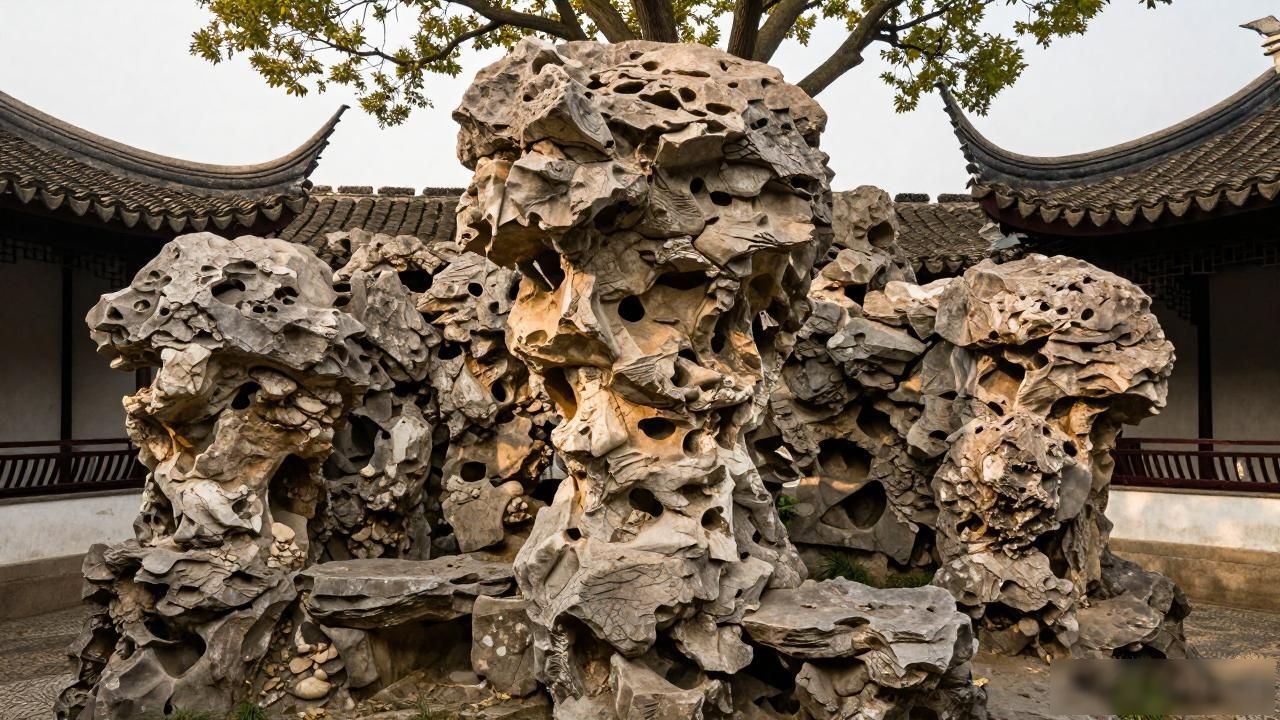
Walking around the rockeries reveals new perspectives at every turn. A side view might show the rugged texture, while the front view emphasizes height and grandeur. Pay attention to the spacing between stones. Too close, and it feels cramped; too far, and it lacks cohesion. The balance is key to achieving the desired effect of a miniature mountain range.
Taihu rocks are often the centerpiece, but don’t overlook the supporting elements. Moss and small plants growing in the crevices add life and color. They soften the harsh lines of the stone, creating a more organic feel. This integration of flora and fauna is essential for achieving the authentic Jiangnan aesthetic.
Visitors should slow down and immerse themselves in the details. Notice how the stones seem to defy gravity, balancing precariously yet securely. Observe the way water flows around them, enhancing their form. These subtle interactions are what make Suzhou gardens unique.
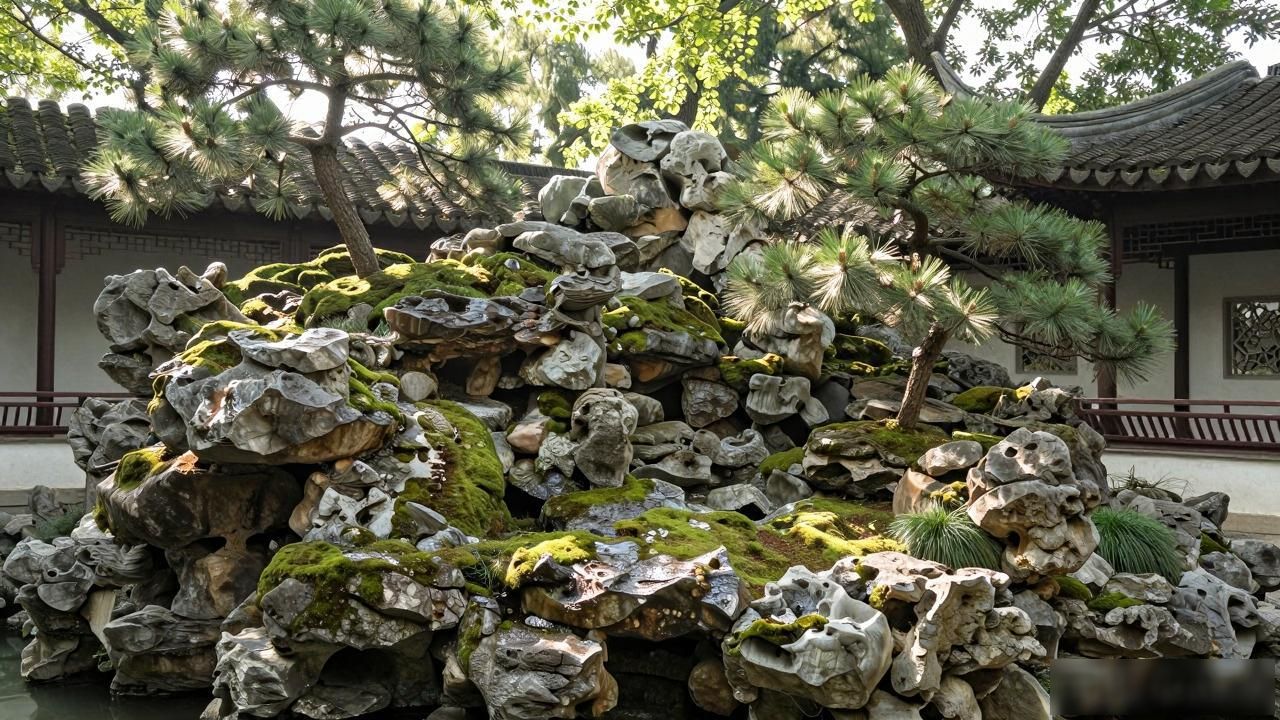
Finally, consider the historical context. Many rockeries were designed by renowned scholars and artists. Their intentions were not just decorative but philosophical. The rocks represent endurance, stability, and the unyielding spirit of nature. Understanding this symbolism enriches the appreciation of the garden.
By focusing on these elements, visitors can move beyond superficial sightseeing. They can engage with the artistry and philosophy behind each placement. This deeper connection allows for a more meaningful and memorable experience in Suzhou’s timeless landscapes.