
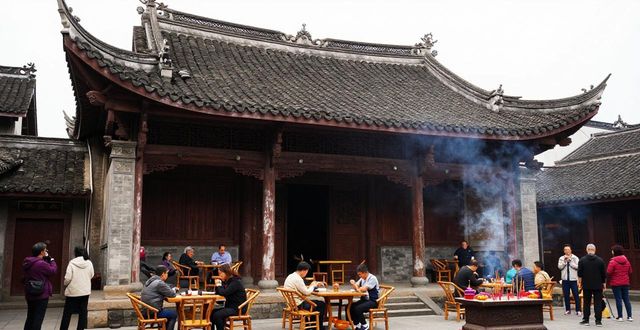
Old town temples in China are far more than ancient religious buildings, as each carries centuries of shared history, local folk traditions, and warm community memories that blend seamlessly into their surrounding streetscapes. When you wander through these old Chinese towns, you do not just see standalone places of worship; you find lively spiritual nooks where residents still drop by to light incense, chat with temple stewards, and walk through quiet courtyards during breaks in their daily routines, making these spots feel like natural extensions of the old town’s living culture.
Old town temples in China have what key features
Unlike large mountain-top monastic complexes, old town temples often sit directly along bustling cobblestone lanes, their entry gates tucked between wooden shops selling handmade snacks and traditional crafts. Most of them scale down grand imperial temple layouts to fit the narrow plots within layered old neighborhoods, with wooden pillars carved with local floral patterns and courtyard moss that blends with the town’s classic tiled rooftops.

These temples do not keep strict, distant atmospheres either, and many run small free tea stalls under their shaded verandas, welcoming passersby to sit and rest for a few minutes without any mandatory ticket fees. Local families often borrow their front yards to set up small festival altars during Mid-Autumn or Lunar New Year celebrations, weaving the temple into the everyday social rhythm of the entire old town.
Find old town temples in China easily where
Some of the most beloved well-preserved spots nestle in the water towns east of the Yangtze River, such as the spaced-small city GOD temples sprinkled across Pingjiang Road in Suzhou, which you can stumble upon even when following random lanes away from the main tourist paths. The historic old towns near Kunming in Yunnan, like the vibrant Dali Old Town, protect a mix of Taoist, Buddhist and folk temples built hundreds of years ago, their weathered facades peeking out from around the alleys.
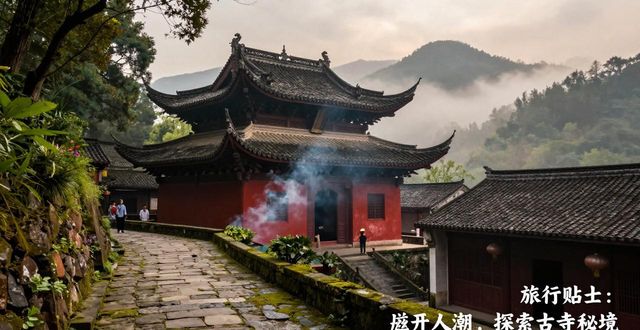
Many less tourist-famous old town locations make temple discovery even more pleasant, including the quiet old villages along the ancient Hui merchant trade routes,where tiny long-dedicated Guandi temples still get daily offerings from local descendants who have lived in the town for 15 generations or more. You just need to keep an eye out for the curved, pointed tiled roof edges peeking above shop signs to uncover them effortlessly, most showing exactly small red incense marks near their entry doors as a soft signal that they host an active, still living faith space.
Tour old town temples in China how to prepare
Before you visit, skip overcrowded group tours that rush past these places too fast to process the little details, and plan a short two hour window before 9 a.m. when groups rarely arrive, so you can watch local elders do their morning walks and gentle prayers in soft quiet sunlight. Dress for respect with simple clothes that reach below the elbows and knees, and bring a small reusable bottle to fill up alongside the old temple community free tea services for a low cost zero-waste way to stay cool.

Pick up a small thin pack of high quality sandalwood incense from one of many local old stationery or incense shops steps from the temple gate, because most active old town temples invite guests very softly to leave a small incense offering if you already feel drawn to their gentle vibes instead of pushing hard expensive donation boxes your way at the entry. Always follow steward guides to find the side entrance courtyards most tourists miss, where preserved old murals of town community folk stories that were painted in the Qing dynasty and still bear little kid graffiti from past residents can help you connect to the town generations.
Have you ever stumbled across a hidden, unexpected old temple in a Chinese old town that made your trip far sweeter than all the planned major tourist stops? Drop your best story in the comments below, hit the like button if these tips helped you, and share this post with friends who have been looking for special low-key quiet travel destination ideas.