
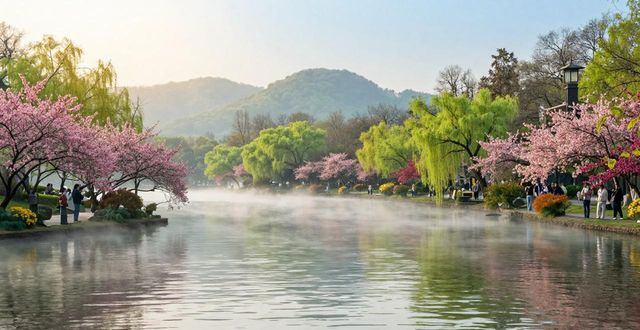
Hangzhou, often called “Heaven on Earth” by the Chinese, is a city that blends ancient culture with natural beauty. As someone who has traveled across China for years,I can tell you that Hangzhou is a must-visit destination for any foreign traveler. From the legendary West Lake to the aromatic Longjing tea fields, this city offers a peaceful escape from the bustling metropolises. In this guide, I’ll share practical tips on the best time to visit, top attractions, local food, and getting around, so you can plan a smooth and unforgettable trip.
Best time for Hangzhou travel

Spring (March to May) and autumn (September to November) are the best seasons to visit Hangzhou. During spring, the weather is mild, flowers bloom around West Lake, and the famous “misty rain” creates a poetic atmosphere. Autumn brings clear skies, cool breezes, and the sweet scent of osmanthus flowers. Summer can be hot and humid, while winter is chilly but less crowded. If you want lower hotel rates and fewer tourists, consider late February or early December. Avoid the first week of October (China’s National Day holiday) when domestic travel peaks and crowds flood every scenic spot.
What are the must-see attractions in Hangzhou
West Lake is the heart of Hangzhou. You can walk, bike, or take a boat to explore its ten scenic views, including Leifeng Pagoda and Su Causeway. Don’t miss Lingyin Temple, one of China’s largest and wealthiest Buddhist temples, with ancient grottoes and towering pagodas. For tea lovers, Longjing Village offers a chance to see terraced tea plantations and taste freshly picked Dragon Well tea. Hefang Street is perfect for souvenir hunting and trying street food. If you have an extra day, take a short bus ride to Xixi National Wetland Park, where you can glide through waterways and spot birds.
How to get around Hangzhou
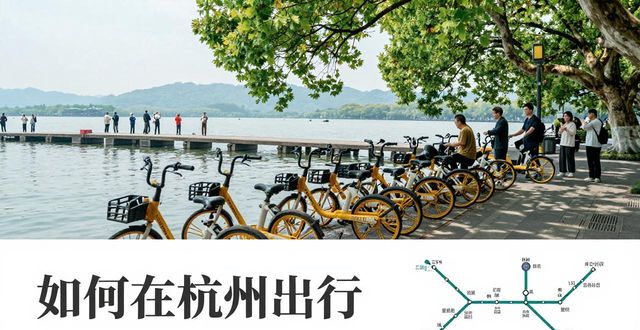
Hangzhou has a modern and English-friendly metro system. As of 2026, five lines connect the train station, airport, and major sights. Buy a single-ride token at ticket machines with cash or card. For West Lake, take Metro Line 1 to Longxiangqiao or Line 2 to Fengqi Road. Taxis and ride-hailing apps like Didi are convenient – the average trip across the city costs less than $5. Bike-sharing (blue bikes from Hellobike) is everywhere; download the app or use Alipay to scan and ride. Walking is also rewarding, especially along the lake promenade. Avoid driving – traffic jams and confusing parking rules can ruin your day.
What to eat in Hangzhou for an authentic experience
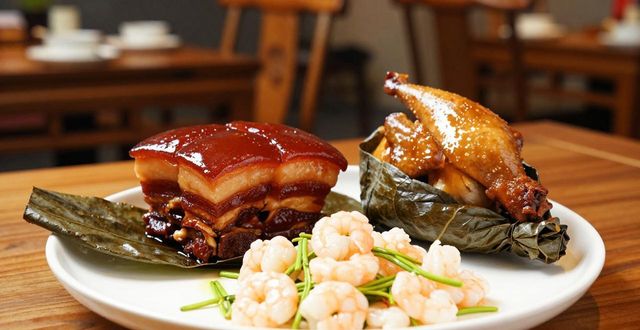
Hangzhou cuisine is light, fresh, and slightly sweet. Try Dongpo Braised Pork, named after the poet Su Dongpo – it’s melt-in-your-mouth tender. Beggar’s Chicken is a local legend: a whole chicken wrapped in lotus leaves and clay, then baked slowly. For a classic combo, order Longjing Shrimp (shrimp stir-fried with Dragon Well tea leaves). Street food on Hefang Street includes stinky tofu, candied hawthorn skewers, and shengjian bao (pan-fried pork buns). Vegetarians will love the bamboo shoots, lotus root, and tofu dishes at Jingci Temple’s vegetarian restaurant. Drink plenty of locally grown Longjing tea – you can buy it directly from family-run farms in the hills.
Now I’d love to hear from you: what part of Hangzhou are you most excited to explore, and do you have any questions about planning your trip? Drop a comment below, and don’t forget to share this guide with your travel buddies!
I really appreciate how straightforward and practical your advice is—especially the warning about avoiding National Day week and using bike-sharing or the metro instead of driving around West Lake! Recommending Dongpo Braised Pork and pointing out the vegetarian spot at Jingci Temple gives such a complete picture of the local food scene. Can’t wait to use these tips on my next trip!