
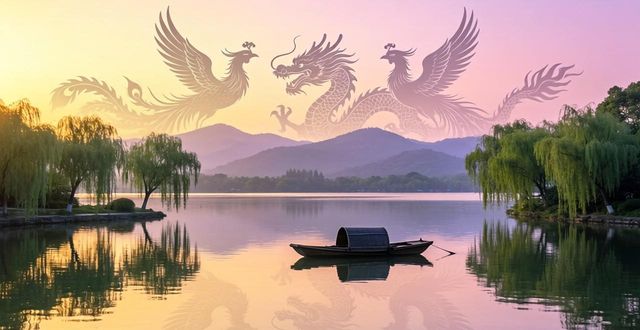
Hangzhou, the capital of Zhejiang Province, has long been celebrated as one of China’s most enchanting destinations. Famed for its serene lakes, ancient temples, and lush tea plantations, this city offers a perfect blend of natural beauty and rich cultural heritage. Whether you’re a first-time visitor or a seasoned traveler, these popular Hangzhou tourism spots will leave you spellbound. Let’s dive into the must-see attractions that make Hangzhou truly unforgettable.
What makes West Lake so famous?
West Lake is the soul of Hangzhou and a UNESCO World Heritage Site. Covering over six square kilometers, this freshwater lake is surrounded by misty hills, ancient pagodas, and weeping willows. The best way to experience it is by taking a leisurely boat ride to the three stone pagodas on Little South Lake. You can also walk or bike along the Su Causeway, especially during spring when peach blossoms and magnolias burst into color. Don’t miss the “Melting Snow at Broken Bridge” scene in winter – it’s a photographer’s dream. Many travelers spend an entire day here, simply soaking in the peaceful atmosphere.

To truly appreciate West Lake, consider visiting at sunrise or sunset. The light transforms the water into a shimmering mirror, reflecting the surrounding landscapes. Local legend says that the lake was formed from a pearl dropped by a phoenix and a dragon. Whether you believe the myth or not, the lake’s charm is undeniable. For a unique perspective, climb Leifeng Pagoda on the southern shore. From the top, you’ll get a panoramic view that captures the lake’s entire crescent shape, along with the bustling city skyline beyond.
How to explore Lingyin Temple like a local?
Lingyin Temple, or “Soul’s Retreat,” is one of the largest and most significant Buddhist temples in China. Founded in 328 AD, it features magnificent halls, towering statues, and ancient grottoes filled with stone carvings. Start your visit at the Feilai Feng (Peak Flying From Afar), where over 300 Buddhist rock carvings date back to the 10th century. The main temple complex houses a 24-meter-tall camphor wood statue of the Medicine Buddha. To explore like a local, arrive early in the morning before tour groups flood in. Light a stick of incense at the main hall and take a moment to listen to the monks chanting – it’s a deeply calming experience.
After touring the temple, walk along the nearby stream lined with tea houses. Many locals bring their own tea leaves and ask for hot water to brew a fresh pot. You can do the same or order a cup of Longjing tea. Don’t forget to visit the Hall of the Heavenly Kings, where the laughing Buddha greets visitors. The temple also offers vegetarian lunch (around 25 RMB) in a simple dining hall – the tofu skin rolls and bamboo shoots are surprisingly delicious. Remember to dress modestly and speak softly, as this remains an active place of worship.
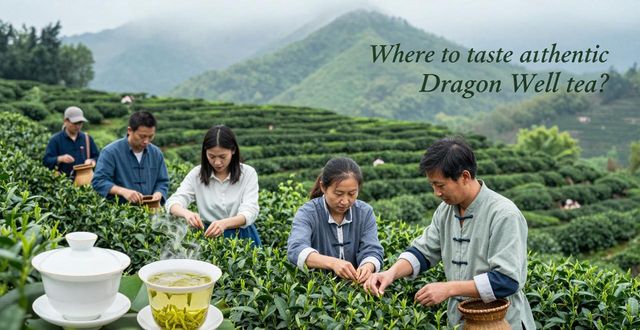
Where to taste authentic Dragon Well tea?
Dragon Well tea, or Longjing tea, is China’s most famous green tea, and Hangzhou’s Longjing Village is its birthplace. Nestled in the hills southwest of West Lake, this area is covered with terraced tea bushes that produce tender leaves each spring. The best time to visit is late March to early April during the tea harvest festival. You can watch skilled tea masters pan-fry the leaves by hand in giant woks – a technique passed down for generations. Many family-run tea houses offer free tastings, but expect to be invited to buy their premium batches. Look for “pre-Ming” tea (picked before Qingming Festival) for the highest quality.
To go beyond the tourist trail, hike the “Nine Creeks and Eighteen Gullies” trail that winds through the tea plantations. The path follows a bubbling stream and passes under dense bamboo groves. Halfway along, you’ll find small farmhouses where old ladies sell freshly picked tea leaves wrapped in paper. Strike up a conversation (a smile goes a long way) and you might be invited into their kitchen for a private tasting. The tea here is less polished but full of character – nutty, sweet, and slightly vegetal. Pair it with osmanthus cakes or dried bean curd for a perfect afternoon snack.
What makes Hefang Street a must-visit?
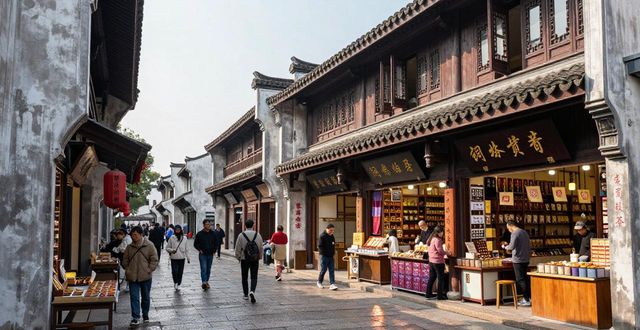
Hefang Street is a lively pedestrian thoroughfare that recreates the look and feel of Hangzhou during the Southern Song Dynasty. Stretching for about one kilometer, this restored historic street is lined with traditional medicine shops, silk boutiques, snack stalls, and antique stores. Start at the Wushan Square entrance,where you’ll see a massive statue of the famous poet Su Dongpo. As you walk, keep an eye out for the Hu Qingyu Tang Pharmacy – a 130-year-old apothecary that still sells herbal remedies made from scorpions and ginseng. The staff wear traditional robes and weigh ingredients on brass scales.
Food lovers should come hungry. Try the stinky tofu (smelly but addictive), candied hawthorn skewers, and freshly made dingfeng cakes – a local specialty stuffed with red bean paste. For a heartier meal, duck into a small restaurant and order “sister song’s fish soup,” a tangy broth with river fish and pickled mustard greens. After dark, lanterns illuminate the street and street performers set up – you might see puppeteers, calligraphers, or musicians playing the erhu. Hefang Street also connects to the Grand Canal’s southern terminus, so you can end your evening with a short boat ride.
Which of these Hangzhou tourism spots are you most excited to visit, and do you have any hidden gems to share? Leave a comment below, like this post, and help fellow travelers discover the best of Hangzhou!
This is such a wonderfully detailed guide! Hiking the ‘Nine Creeks and Eighteen Gullies’ trail right through the tea plantations and stopping by local farmhouses for a fresh cup of pre-Ming Longjing tea sounds like an absolute dream. I really appreciate how you highlighted these authentic, quiet experiences alongside iconic stops like West Lake—it gives travelers the perfect balance between classic sightseeing and local culture.