
If you are planning a trip to Guangzhou and want to dive into its legendary food scene, you have come to the right place. Known as the culinary capital of China, Guangzhou offers a mouthwatering journey through Cantonese cuisine that goes far beyond the familiar dim sum. In this guide, I will walk you through the must-try dishes, the best neighborhoods to explore, and practical tips to make your food tasting adventure authentic and unforgettable.
What are the essential Cantonese dishes to try
Start with the classics: dim sum, roast goose, and wonton noodles. Dim sum is not just a meal but a morning ritual featuring har gow (shrimp dumplings) and siu mai (pork dumplings). For roast goose, look for crispy skin and juicy meat, often served with sour plum sauce. Wonton noodles come in a clear broth with springy egg noodles and plump shrimp-pork wontons. These three dishes represent the soul of Guangzhou’s food culture, and you should not leave without tasting all of them.

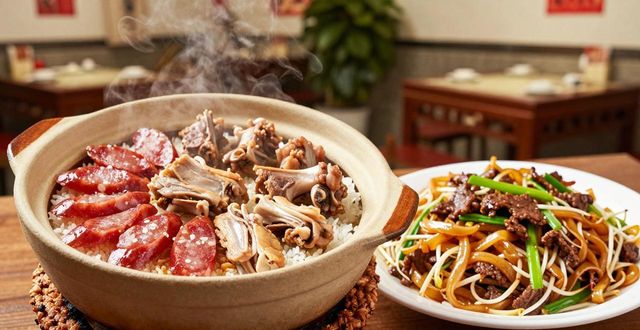
Another essential is clay pot rice, where rice is cooked in a clay pot with toppings like Chinese sausage, chicken, or ribs. The crispy burnt rice at the bottom is a delight. Also try beef chow fun – wide rice noodles stir-fried with tender beef and bean sprouts. The secret is the “wok hei” or breath of the wok, which gives a smoky aroma. For dessert, sweet soup with red beans or taro balls is perfect. Each dish tells a story of balance and freshness, which is the core of Cantonese cooking.
Where to find authentic dim sum in Guangzhou
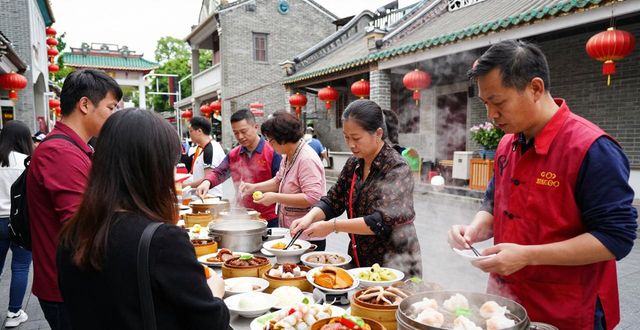
Skip the hotel buffets and head to traditional teahouses like Guangzhou Restaurant or Dian Du De. These places serve dim sum from early morning until mid-afternoon, and you will see locals reading newspapers while sipping tea. Go before 10 am to avoid long queues. Another hidden gem is Panxi Restaurant, located in Liwan District, which offers a beautiful garden setting and classic dim sum like phoenix claws and steamed rice rolls. Remember to order tea first – oolong or pu’er – as it aids digestion.
For a more local experience, try small shops in the old alleys near Shangxiajiu Pedestrian Street. They may not look fancy, but their shrimp dumplings are freshly made and incredibly cheap, sometimes just 10 yuan for four pieces. Watch how the chefs fold each dumpling by hand. Also, do not miss the egg tarts from a tiny bakery – the flaky crust and creamy custard will blow your mind. Authentic dim sum is about freshness, not decoration, so trust the busy places with long lines.
How to navigate Guangzhou’s food streets like a local
The most famous food street is Beijing Road, but for real local flavor, go to Huifu West Road or Baohua Road. These streets are packed with small stalls selling everything from grilled squid to stinky tofu. Walk slowly and share dishes with friends so you can try more. A good strategy is to order one portion per stall and move on. Look for places where office workers line up during lunch – that is a sure sign of quality and fair price. Do not be shy about pointing at what others are eating.
Another great area is Xiguan, the old part of Liwan District. Here you will find traditional desserts like double-layer milk and ginger milk curd. One famous shop, Nanxinyu, has been making these for over 30 years. Also try the rice noodle rolls from a street cart – they are silky smooth and served with sweet soy sauce. If you want to experience a night food market, take Metro Line 1 to Tiyu Xilu and walk to the nearby open-air bazaar. It starts around 7 pm and offers grilled skewers, fried rice, and fresh sugarcane juice. Bring cash because some stalls do not take cards.
Practical tips for a smooth food tasting trip in Guangzhou
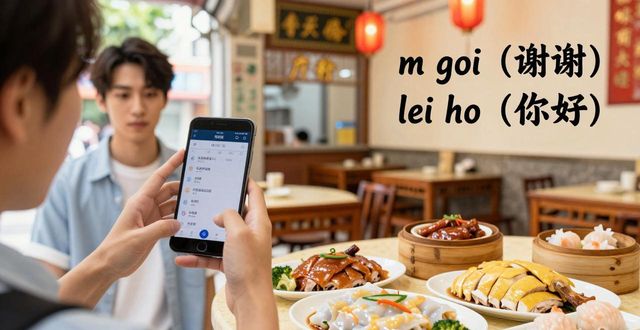
First, learn a few basic Cantonese phrases like “m goi” (thank you) and “lei ho” (hello). Locals appreciate the effort. Second, bring a translation app with offline capabilities,as many small eateries do not have English menus. I recommend using Google Translate’s camera function. Third, be aware that some restaurants close between 2 pm and 5 pm for a break, so plan your meals accordingly. Also, tap water is not safe to drink, but most places serve free tea or boiled water. Stick to bottled water.
Payment is easy with Alipay or WeChat Pay, but always carry some cash for tiny stalls. Tipping is not expected or practiced in Guangzhou. For hygiene, look for the “smiley face” rating certificate displayed on the wall – an A or B means clean. Finally, pace yourself. Cantonese meals are meant to be shared leisurely, so do not rush. If you have dietary restrictions, remember that many dishes contain peanuts or shellfish. Learning the words for “no peanuts” (mou fa sung) can be a lifesaver. Enjoy the chaos and the flavors, because this is what makes Guangzhou unforgettable.
Now it is your turn: which Guangzhou dish are you most excited to taste first, and why? Share your thoughts in the comments below, and do not forget to like and share this guide with fellow food lovers.