
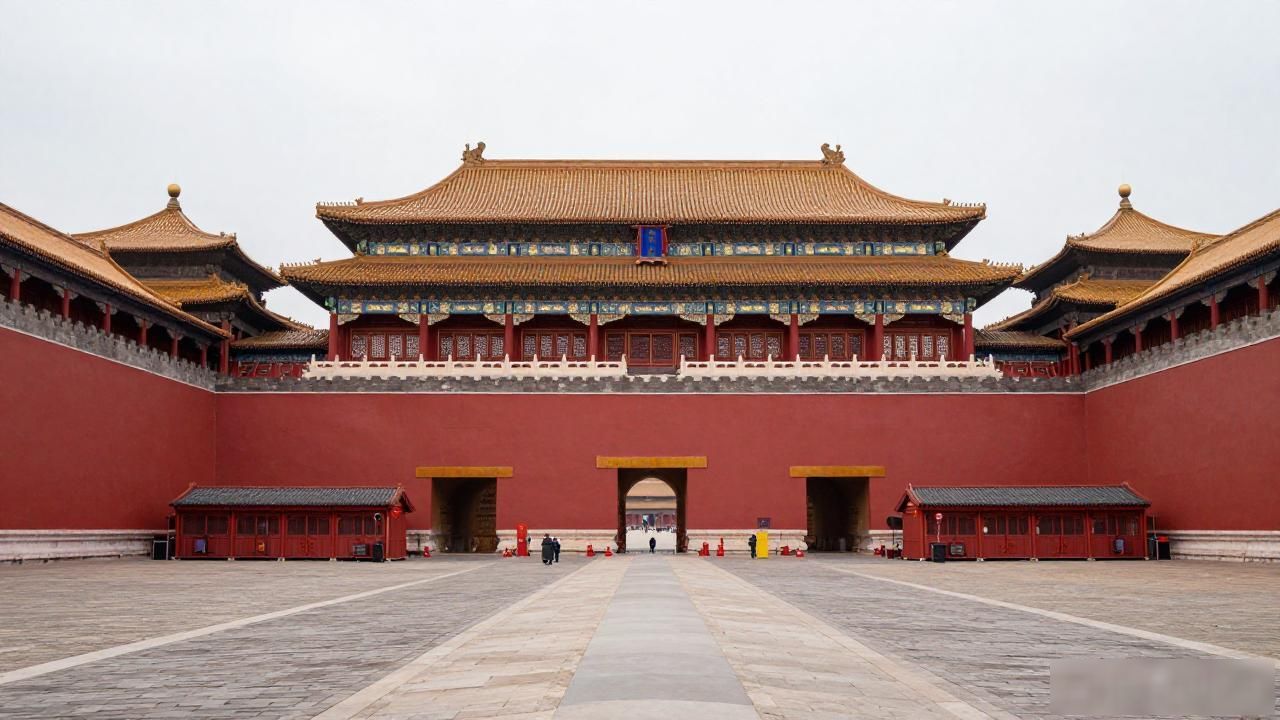
The Forbidden City is not just a museum of old emperors. It is a five-hundred-year-old diagram of how Chinese culture thinks power, nature, and hierarchy should work. Walking its corridors, you are not viewing history; you are reading a spatial argument that every Chinese generation has agreed with.
Why does the Forbidden City reveal Chinese culture

The moment you cross the Meridian Gate, the north-south axis grabs you. Everything is arranged along that line, and the flanking buildings mirror each other with almost obsessive symmetry. This is not a design choice; it is the Chinese cosmological belief that the emperor occupies the center of the universe and that order flows outward from a single point. The red walls and gold roofs are not decoration. They are the same colors Chinese culture reserves for the highest status, the same palette you see on festival banners and temple gates across the country.
The “forbidden” part matters as much as the architecture. For over two hundred years, no one outside the imperial family and court officials could set foot inside. That total exclusion encodes a cultural rule: the sacred and the political are sealed off from the ordinary. You still feel that rule, in the way the gates close behind you and the guards in their old blue uniforms direct you one way only.
What Chinese culture hides in the Forbidden City
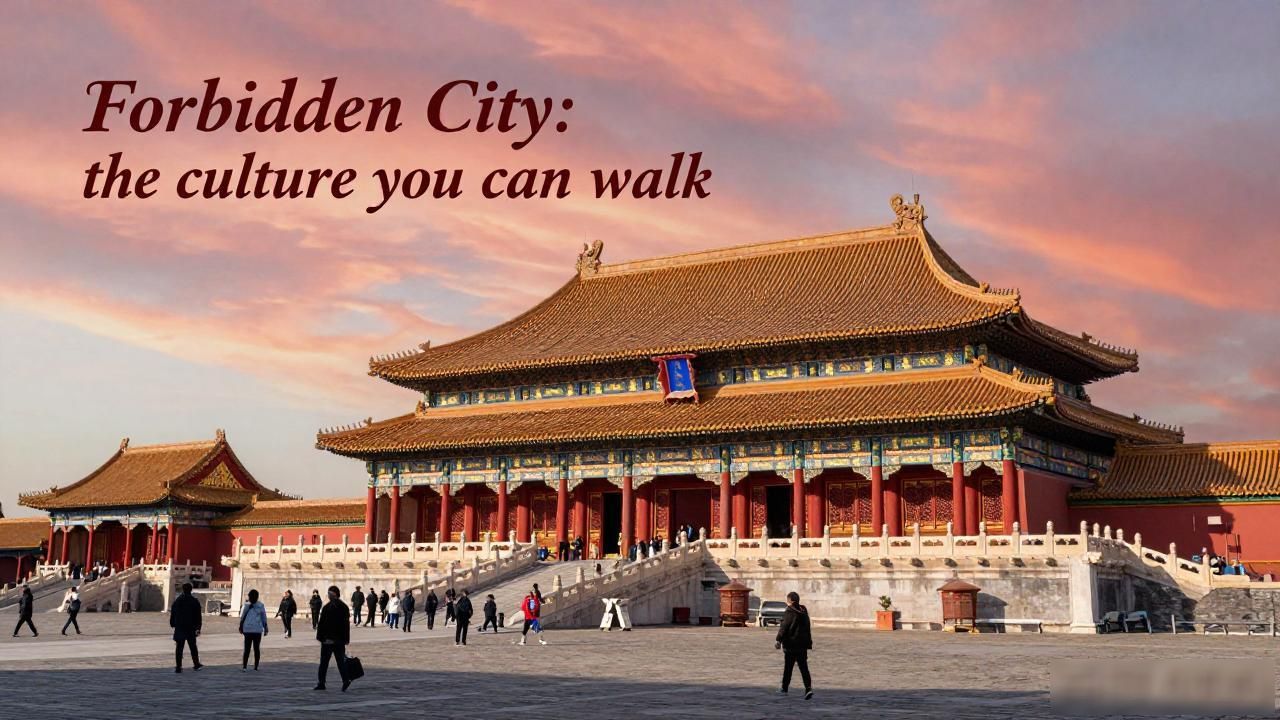
The details reward a second walk. The number of roof tiles on the Hall of Supreme Harmony is deliberately counted to ten thousand, the number that represents wholeness in Chinese numerology. Steps come in odd numbers because even numbers, in the old system, belong to the earth and the departed. The nine dragons on the throne platform are not random; nine is the highest odd number, the number the emperor alone could claim.
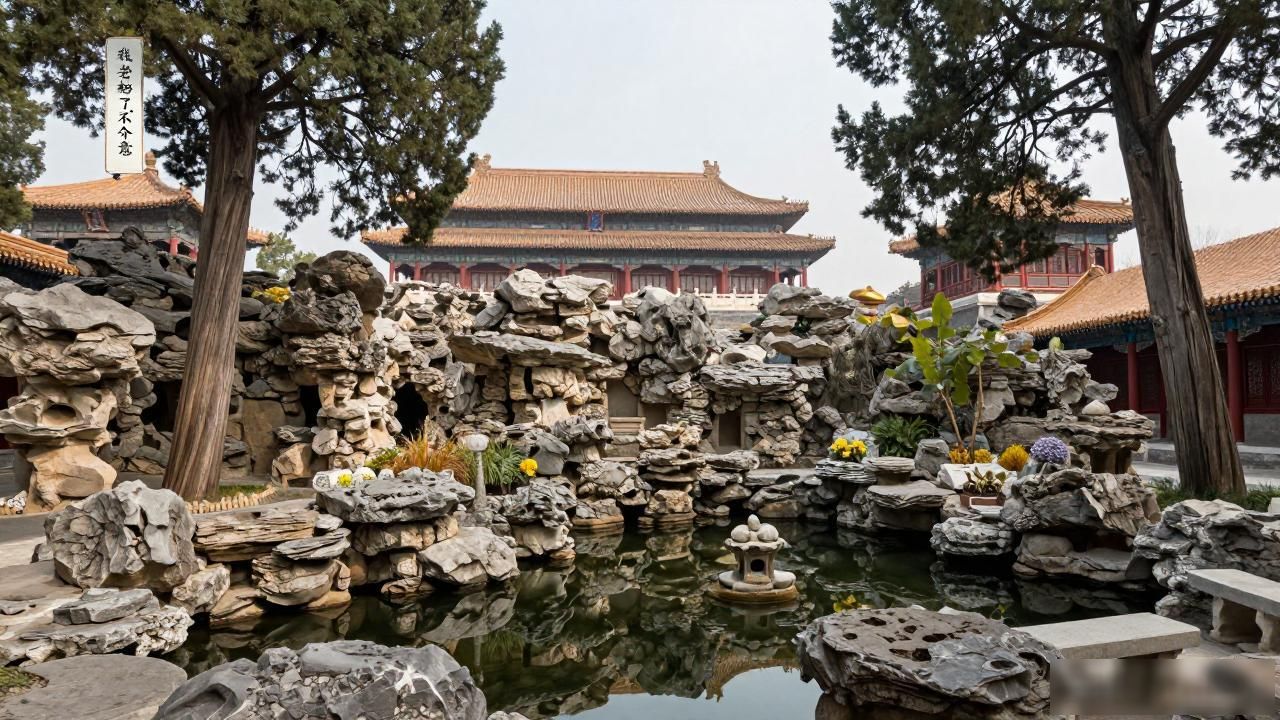
Behind the rigid throne halls, the Imperial Gardens flip the culture on its head. Here the layout is asymmetrical, rocks are arranged to mimic distant mountains, and small plaques carry poems that say, “I am old, the pines do not mind.” It is the same court that ordered the whole axis,now admitting that meaning also lives in a crooked path and a quiet cup of tea.
You leave the Meridian Gate and back into Beijing’s noise, but for a few hours the city’s fastest pace was your own, and the argument the bricks made had already finished its case.