
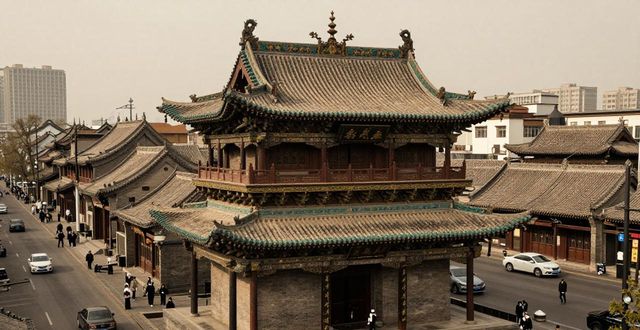
Taiyuan, the capital of Shanxi Province, is often overlooked by travelers heading to Beijing or Xi’an, but this city holds a deep well of history carved into its ancient walls and rooftops. For anyone interested in Chinese architecture and dynastic history, Taiyuan offers a rare glimpse into centuries of craftsmanship, from Tang dynasty temples to Ming dynasty pagodas. The key to enjoying Taiyuan’s historical buildings is knowing not just where to go, but what stories these stones tell.

Why most travelers miss Taiyuan’s best historical sites
Most first-time visitors stick to the famous Jinci Temple, but Taiyuan has far more to offer beyond that single highlight. The city’s historical buildings are scattered across old neighborhoods and suburban hills, which makes planning a bit tricky if you don’t know the layout. For example, the Chongshan Temple, tucked away near the city center, houses a stunning Ming-era library and a rare collection of Buddhist sutras. Unlike the crowded tourist spots in Beijing, here you can walk through wooden halls without jostling for space. The problem is that many travel guides skip these smaller sites because they aren’t as polished for tourism. But if you want real history—cracked stone lions, faded murals, and centuries-old incense burners—you need to venture off the main roads. Local taxi drivers may not speak English, so having the Chinese name written down helps. Also note that some temples close for lunch, usually between noon and 2 PM, so plan your morning visits accordingly.
Which historical buildings in Taiyuan are worth your time
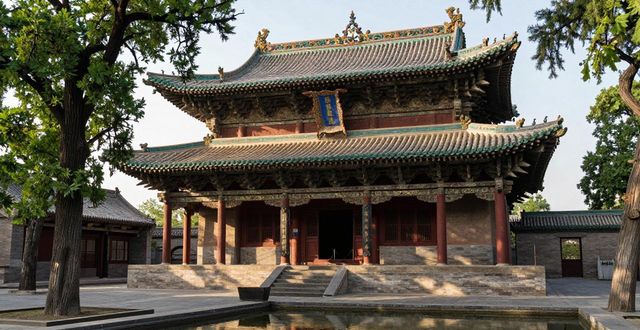
Start with the Twin Pagodas of Yongzuo Temple, which are the tallest ancient structures in the city and have stood for over 400 years. Climbing the narrow stairs inside the pagoda gives you a panoramic view of Taiyuan’s modern skyline against the old city walls. Next, head to the Shanxi Museum, which is not a historical building itself but houses artifacts from the region’s many ancient temples and tombs. If you only have one day, combine Jinci Temple in the morning with the Twin Pagodas in the afternoon. Jinci is a sprawling complex of temples, pavilions, and gardens dating back to the Zhou dynasty. The most famous structure there is the Flying Bridge over the Fish Pond, a cross-shaped bridge built during the Song dynasty that still perfectly reflects in the water. Don’t rush through it—sit on the stone benches near the ancient cypress trees and watch how the light shifts across the carved beams. For a deeper dive, hire a local guide at the entrance for about 100 yuan; they can explain the symbolism behind the dragon carvings and the layout of the halls.
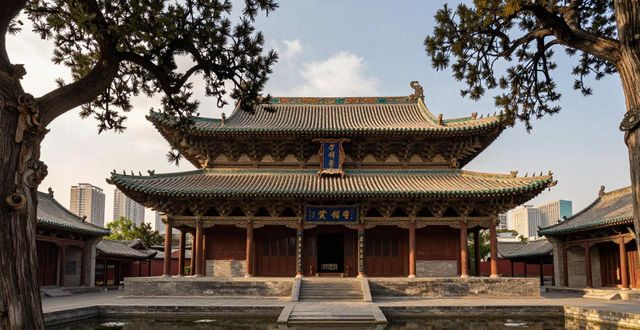
These buildings are not just photo opportunities. They are living records of how people in northern China built,worshiped, and lived through dynastic changes, wars, and famines. Taiyuan’s historical buildings deserve more than a quick glance—they ask you to slow down and listen to the wind through old pine branches, to notice the wear on stone steps from thousands of feet, and to appreciate the quiet resilience of a city that has kept its past intact.