
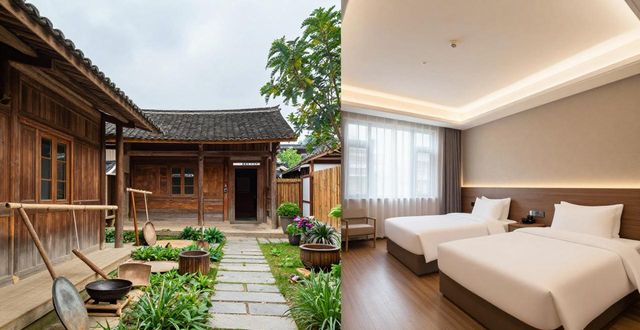
When people think of China, images of towering skyscrapers and bustling cities often come to mind. But the true heartbeat of the country lies in its vast countryside. A rural China homestay offers a rare and genuine escape from the modern world—an opportunity to live with local families, sleep in centuries-old farmhouses, and wake up to the sound of roosters and flowing streams. It’s not just a place to sleep; it is an immersion into a slower, more meaningful way of life.

What makes a rural homestay different from a hotel
The core difference lies in the experience itself. In a typical hotel, you are a guest. In a rural homestay, you become part of the household. You share meals cooked with vegetables picked fresh from the backyard garden. You might help feed the chickens, collect eggs, or learn how to make tofu from scratch. The host family often lives on the property, so there is a constant, warm exchange of stories and customs. This is not a commercial transaction but a cultural exchange. For a foreign traveler, this level of access is priceless. You are not observing rural China from a distance; you are living it. The rooms themselves may be rustic, with wooden beams and traditional tiled roofs, but they are filled with character that no luxury chain hotel can replicate.
How to find and choose the right homestay for your trip
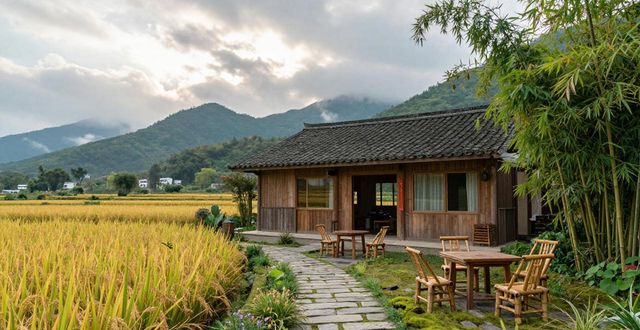
Finding the perfect rural homestay requires a bit of research but is well worth the effort. Start by looking at platforms that specialize in local experiences rather than just booking a generic room. Read reviews carefully, especially those from other foreign travelers who can speak to the host’s English ability and willingness to accommodate dietary restrictions. Location matters much more than you might think. A homestay near a famous scenic spot like Yangshuo or Lijiang offers stunning landscapes, but a place tucked away in the mountains of Zhejiang or Yunnan offers deeper silence and authenticity. You should also consider the season. Spring and autumn offer mild weather perfect for hiking through tea plantations or rice terraces. Ask the host directly what activities they offer—some hosts provide guided walks,cooking classes, or even calligraphy lessons. A good host will be flexible and eager to show you their world.
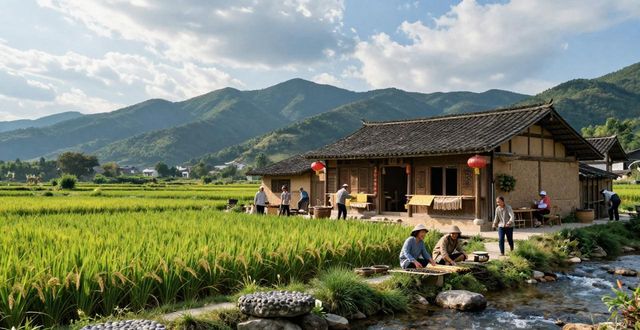
Staying at a rural China homestay is not for everyone. It requires openness, patience, and a willingness to step far outside your comfort zone. But for those who make the leap, the reward is an unforgettable glimpse into a way of life that has sustained Chinese civilization for thousands of years. You will leave not just with photos, but with new friends and a deep respect for the land and its people.