
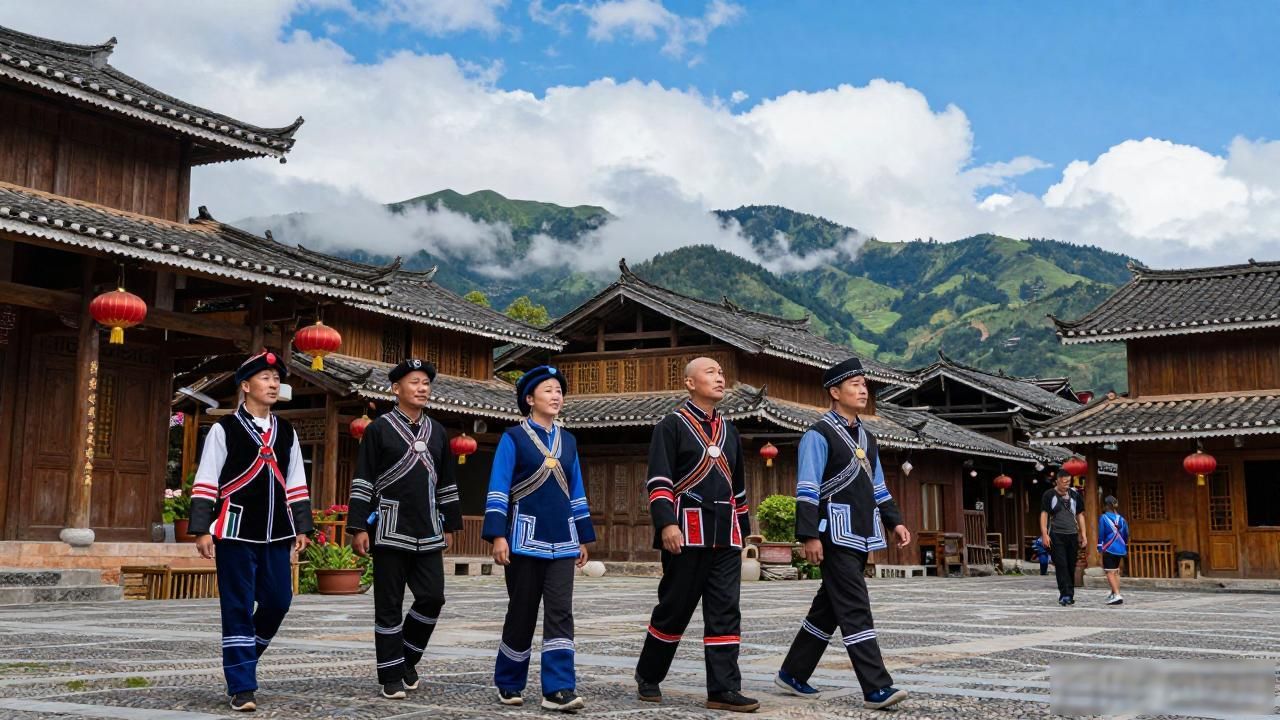
China is not only home to the Han majority but also 55 officially recognized ethnic minorities, each with its own language, clothing, festivals, and traditions. Traveling to these regions offers a rare chance to step away from modern city life and explore communities that have preserved their heritage for centuries. This kind of tourism is about more than sightseeing—it is about cultural immersion and human connection.
Why should I visit ethnic minority villages in China

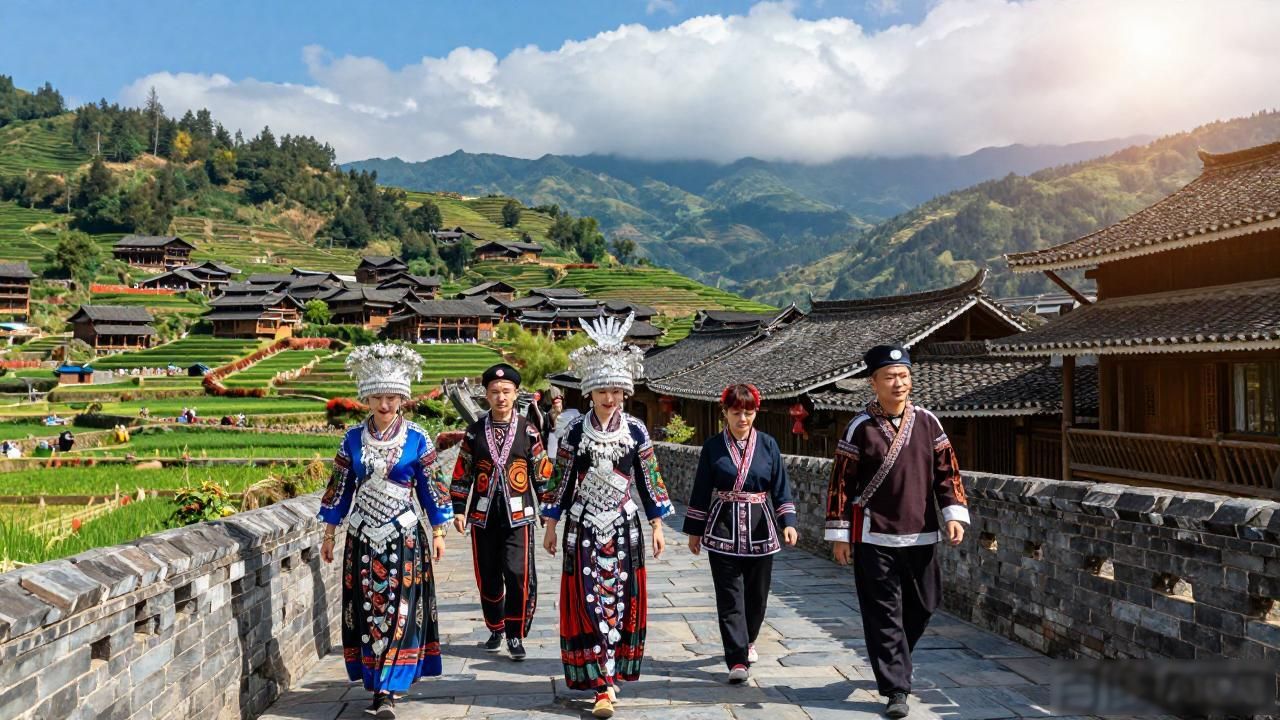
Many travelers wonder if visiting ethnic minority areas is worth the extra travel time. The answer is a clear yes. Unlike standard tourist attractions, these villages offer authentic experiences that you cannot find anywhere else. In places like Yunnan’s Xishuangbanna, home to the Dai people, you can join water-splashing festivals, taste sticky rice cooked in bamboo tubes, and sleep in traditional stilt houses. In Guizhou, the Miao and Dong minorities are famous for their intricate silver jewelry and ancient drum towers. These are not staged performances. These are living traditions passed down through generations.
Another reason to go is the landscape. Many minority communities live in remote mountainous areas, surrounded by terraced rice fields, misty valleys, and winding rivers. The scenery alone is worth the journey. Travelers often report that the most memorable moments happen not at famous landmarks, but during simple interactions: sharing tea with a local family, watching women weave fabric by hand, or hearing a grandmother sing a folk song in her native tongue. These moments offer a deeper understanding of China’s cultural diversity.
What is the best way to travel to ethnic minority regions in China
Getting to these areas requires some planning. Most travelers fly into a major city like Kunming or Guiyang, then take buses or hire private drivers to reach smaller villages. Public transport is available but can be slow and infrequent. For a smoother experience, consider joining a small group tour led by local guides who speak both Mandarin and English. These guides often have personal connections with villagers,allowing you to participate in daily activities like farming, cooking, or festival preparations.
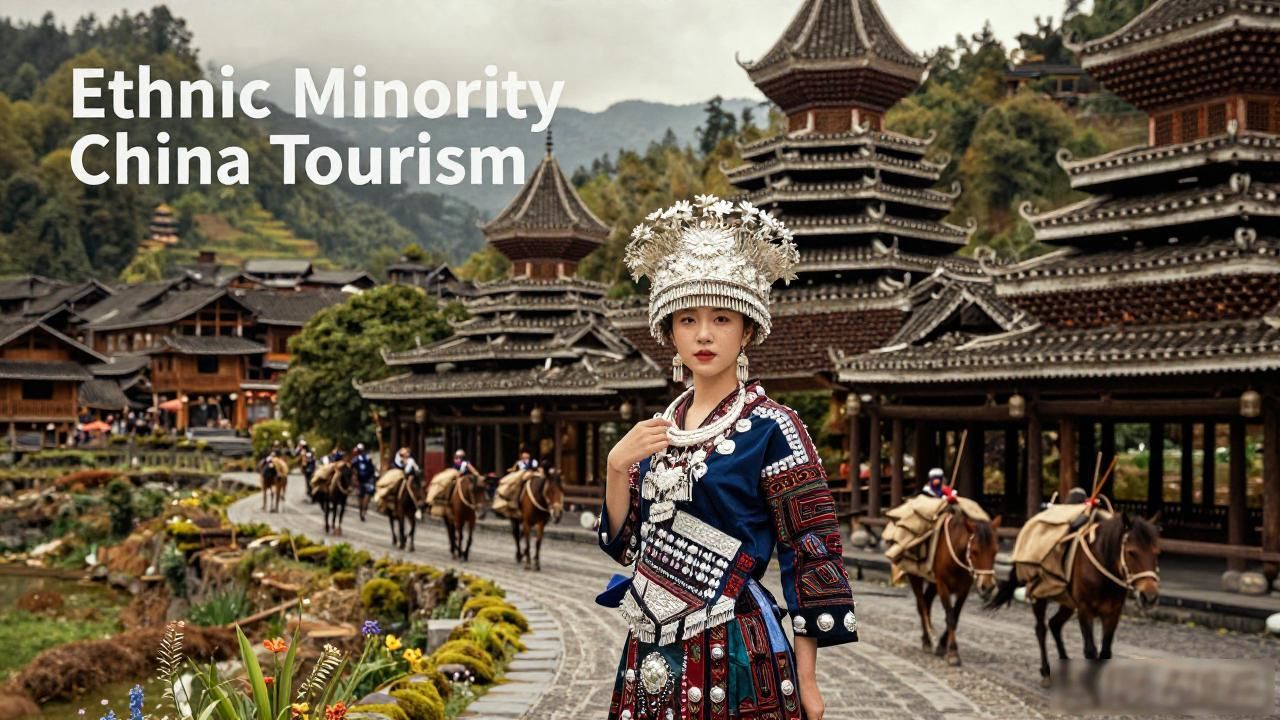
Accommodation options range from basic homestays to boutique lodges run by minority families. Homestays are highly recommended, as they offer the most authentic experience. You eat what the family eats, sleep on a traditional bed, and wake up to roosters crowing. Some villages now have guesthouses with modern amenities, but the charm lies in the simplicity. Also, check the timing of local festivals. Planning your trip around events like the Torch Festival of the Yi people or the Lusheng Festival of the Miao can dramatically enhance your visit.
Ethnic minority China tourism is not a passive experience. It asks you to be curious, respectful, and open. In return, it gives you stories that stay with you long after you return home.