
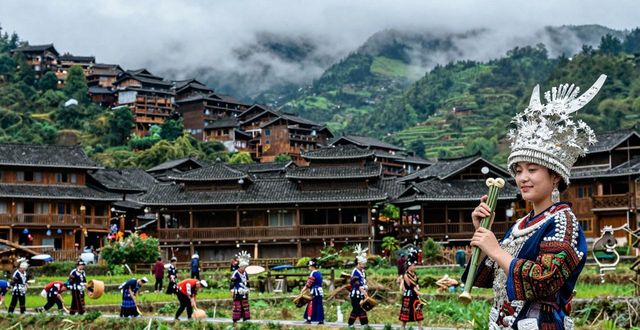
Nestled in the mist-shrouded karst hills of southwest China’s Guizhou province, the Miao villages stand as living museums of unbroken indigenous culture, far from heavily touristed overcrowded hotspots. These settlements are home to generations of Miao people who have preserved their millennia-old customs, crafts, and daily lifestyles without sacrificing their community connection to local nature. Visitors will not find overmarketed performance shows tailor-made for quick social media snapshots here, but genuine, unfiltered moments of local life unfolding alongside dramatic mountain sceneries.
What makes Guizhou Miao villages unique
Unlike most ethnically themed cultural parks across China, Guizhou’s Miao villages still function fully as working residential communities where over 70 percent of year-round residents are original indigenous Miao families. Walk the winding cobblestone lanes and you will see grandmothers stitching delicate silver filigree ornaments on their wooden doorstep, teen herders guiding long-horned cattle across terraced rice paddies, and hand-carved wooden drum towers that remain the central gathering spot for local festival ceremonies.

Even the most well-known settlement, Xijiang One Thousand Households Miao Village, retains the warmth of a functioning community, not just a commercial visitor zone. Past midday when most day-trippers head out back to their nearby city hotels, the hillside settles calmly into the sounds of wooden creaking stilt houses, cooking smoke curling from courtyard stoves,and elders playing local hand folk games under shaded ancient banyan trees.
How to explore local Miao embroidery
Miao hand embroidery, recognized as a UNESCO intangible cultural heritage, does not follow written pattern books: every skilled craftswoman transfers ancestral symbols, passed directly down through oral family storytelling, onto cloth using tiny shimmerful cross stitches. Spots like the village of Langde offer small family run craft workshops that let visitors pause their rushed sightseeing pace for an intimate three-hour hands-on stitching session, cost just under 40 US dollars each including local organic tea.
Artisan hosts will gladly tell you the stories coded in each swirling stitched pattern, from depictions of ancient migratory routes traced across river patterns to symbols that represent prayers for family good health and prosperous harvests. Visitors often leave these short sessions not just with a tiny piece of hand embroidery they stitched themselves, but a deeper profound respect for the generations of hidden knowledge stitched layer by layer into this painstaking textile art form.
Where to taste authentic Miao sour soup fish
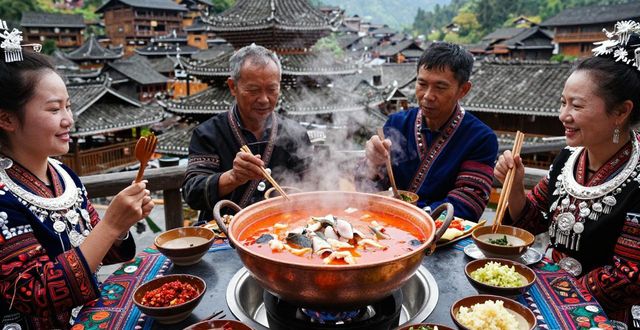
The famous traditional Miao sour soup fish is nothing like its highly doctored sugary cousin now common in city chain restaurants across China: local villagers ferment fresh wild tomatoes fire roasted over wood embers with fragrant rice chaff and wild mountain herbs for two full weeks to create the signature tangy savory base. Local homestays in villages like Jiaobo serve this dish using carp pulled straight out from the nearby clear mountain streams minutes before being simmered in clay pots over low firewood heat.
Guests typically sit at long low wooden tables set out in open air village courtyard spaces, sharing small side plates of pickled wild vegetables, steamed homegrown glutinous rice, and cups of low-alcohol sweet rice wine hand brewed by the host family. This is not an expensive curated fine dining adventure; the entire full meal with endless soup refills costs approximately 15 US dollars perguest, served with hearty generous Miao hospitality.
Best time for visiting Miao New Year festival
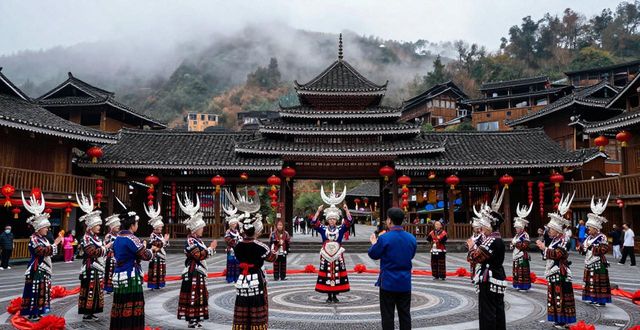
Miao New Year is celebrated usually between late October to early December according the traditional lunar calendar, different for each individual village based on their very own ancestral auspicious date counts, rather than on one fixed single national holiday date. During these 3-day multi-village celebrations, you get to witness the stunning grandest parades lined with groups of Miao people in dazzling full traditional silver costumes, thousands of shimmer silver headdress accessories making soft melodic clinking sounds as the crowds walk along winding lanes.
Communities stage giant lusheng reed pipe performances, vigorous traditional bronze drum dance circles, and friendly running firecracker greetings for every respectful new visitor who travels all the Mountains to join their family festivities. Unlike the crowded scheduled new year tourist festivals organized by commercial companies, these local village new year events give outsiders the rare genuine chance to sit invited alongside entire extended Miao families at their long tables, sharing wines and mountain treats for toasts at the public village square banquet.
These villages prove profound cultural richness does not need costly high end resort developments, but is simply kept vibrant strong by community dedicated people who nurture their heritage as naturally as they tend to each years rice paddy harvest. What part of these authentic Miao village experiences in Guizhou are you most eager to add into your upcoming worldwide travel bucket list to explore first?