
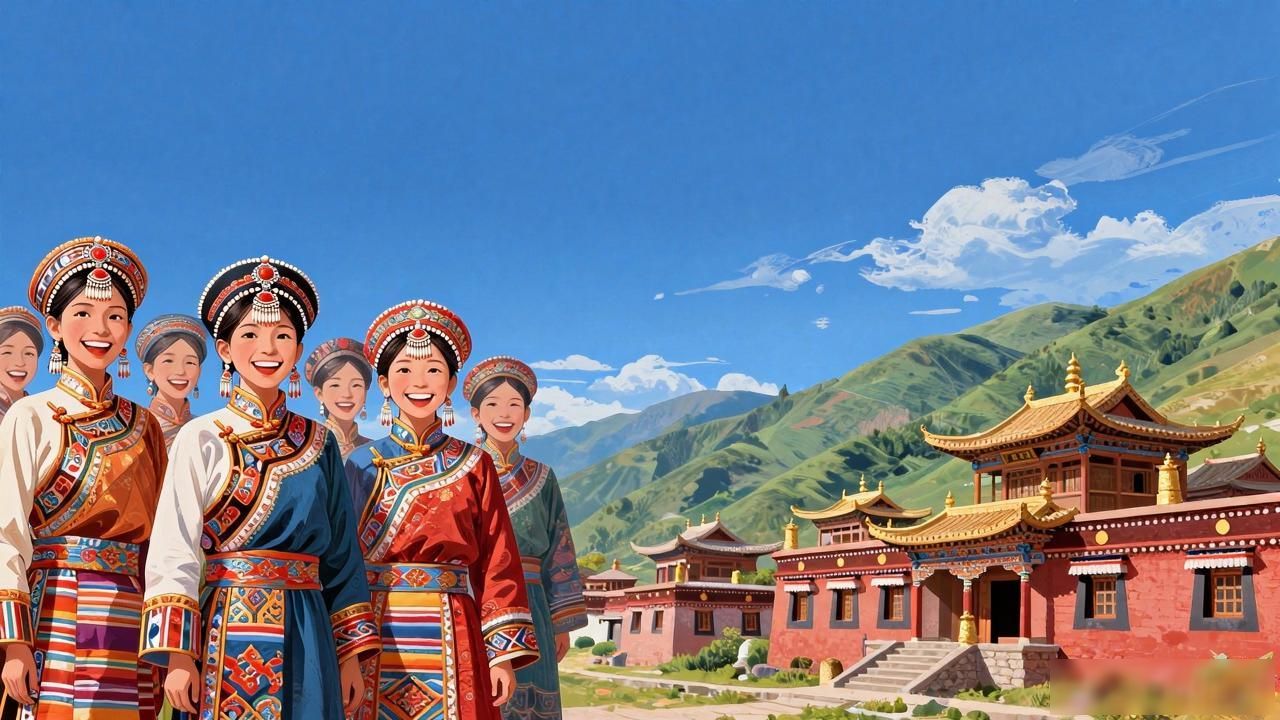
Ethnic minority groups in China represent some of the most vibrant and diverse cultural traditions in the world. With 55 officially recognized ethnic minorities, each group brings its own language, clothing, festivals, and way of life. For travelers, understanding these communities is not just about sightseeing—it’s about connecting with living history and traditions that have survived for centuries.
Where to meet ethnic minorities in China
Many travelers wonder where to actually see these communities in everyday life. The most accessible regions include Yunnan, Guizhou, Sichuan, and Guangxi provinces. Yunnan alone is home to 25 ethnic groups, including the Dai, Yi, Bai, and Hani people. Dali and Lijiang are popular starting points, but the real experiences happen in smaller villages. For example,the Dai Water Splashing Festival in Xishuangbanna draws visitors every April, while the Miao New Year celebrations in southeastern Guizhou offer a deep look into their silver jewelry and embroidery traditions.

Tibet and Xinjiang are also important regions. The Tibetan culture is deeply spiritual, with monasteries and prayer flags shaping daily life. In Xinjiang, the Uyghur people practice Islam and maintain a distinct cuisine and music scene. Travelers should note that some areas require special permits, so planning ahead is key.
What makes ethnic minority cultures special
Each group has something unique that stands out. The Miao people are famous for their intricate silverwork and batik dyeing. Women often wear full traditional costumes during festivals, which can weigh several kilograms. The Dong people are known for their wooden drum towers and wind-rain bridges, architectural feats built without a single nail. Their grand songs are performed without instruments, using multi-part harmonies that have been recognized by UNESCO.
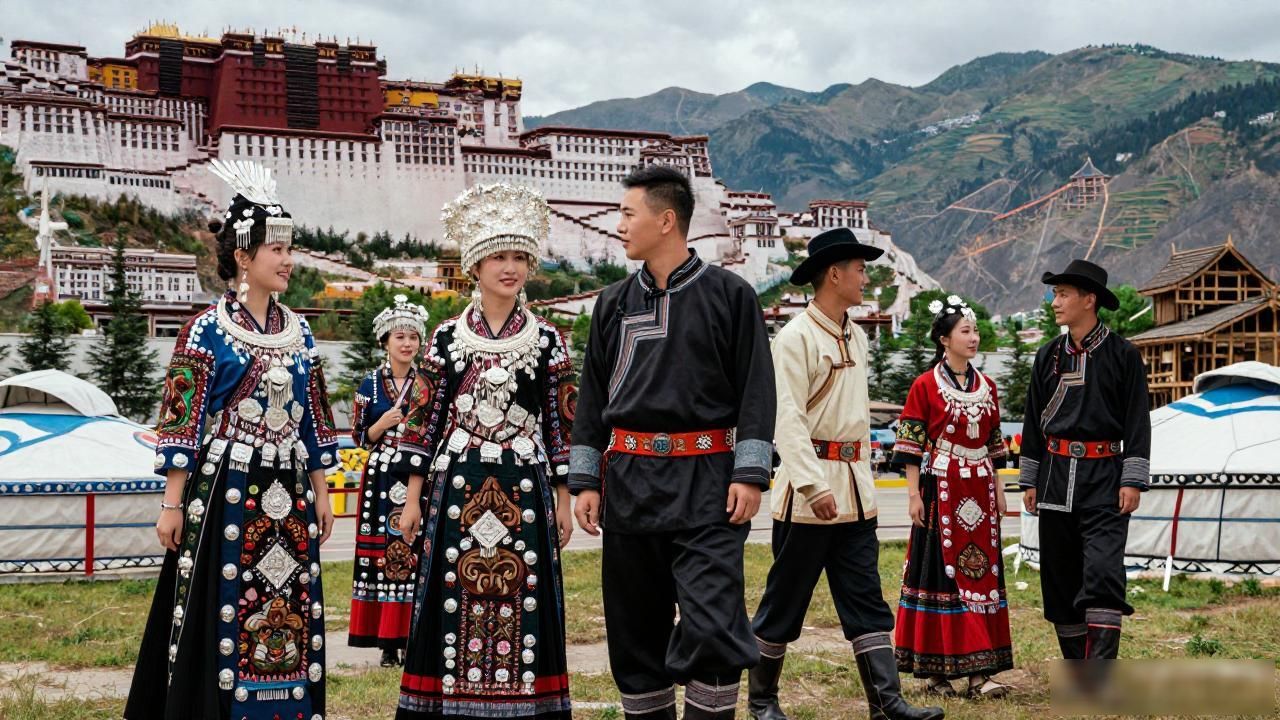
The Naxi people, living near Lijiang, use one of the world’s last surviving pictographic writing systems, called Dongba. Their music and rituals mix shamanistic beliefs with elements of Tibetan Buddhism. Meanwhile, the Mongolian herders of Inner Mongolia still live in yurts and practice eagle hunting, a tradition passed down through generations.
Travelers should also try local foods. Uyghur lamb kebabs, Dai rice noodles, and Tibetan butter tea are not tourist gimmicks—they are daily staples that tell stories of geography and history.
How to travel respectfully
Respecting local customs is essential. In many villages, taking photos without permission can offend. Some places have taboos, like not pointing your finger at a prayer wheel in Tibetan areas. Dressing modestly, especially in religious or rural settings, shows respect. Learning a few words in the local language, like “hello” or “thank you,” goes a long way.
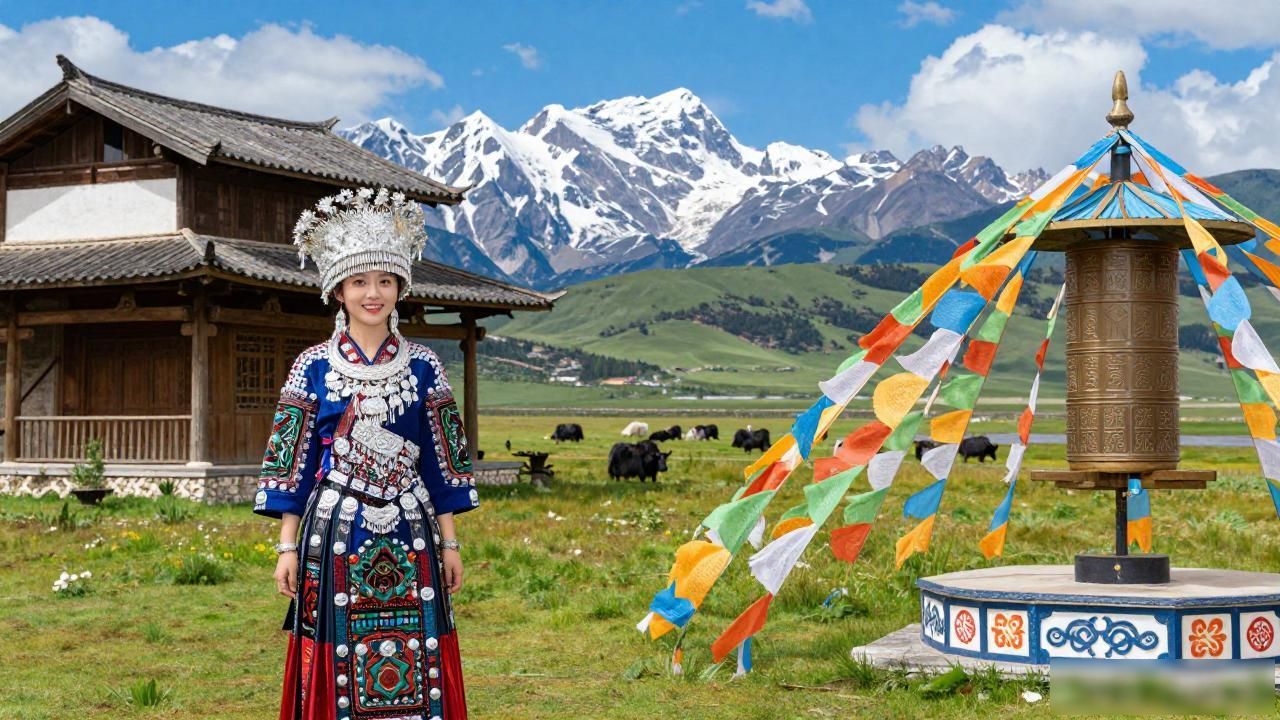
Support the local economy by buying handicrafts directly from artisans, not mass-produced souvenirs. Silver jewelry, handmade textiles, and wood carvings make meaningful purchases. Also, choose homestays or community-run guesthouses when possible. These options give you a deeper connection and ensure your money benefits the community directly.
Traveling during festivals like the Torch Festival of the Yi people or the Sisters’ Meal Festival of the Miao gives you an authentic experience. These events are not staged for tourists—they are real community gatherings where you are welcomed as a guest.
Ethnic minority China is not a single story. It is a collection of many stories, each rooted in a specific place and people. The best way to understand them is to go, listen, and observe with an open mind.