
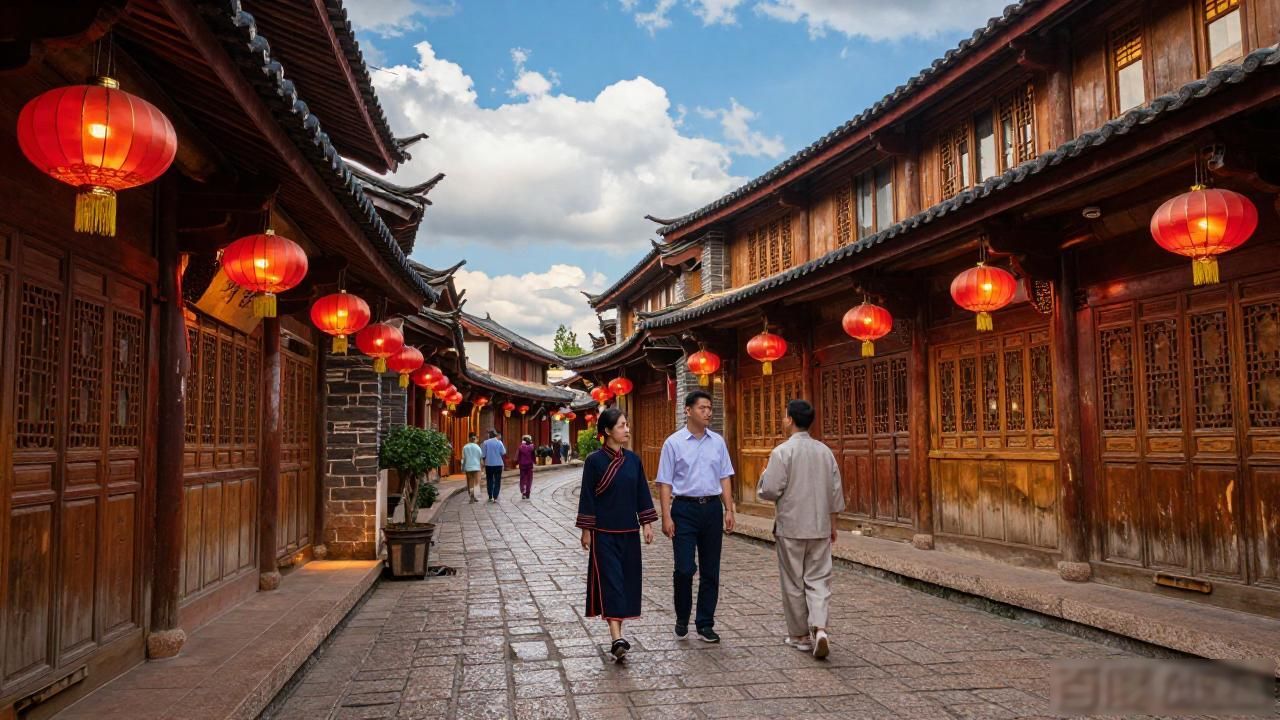
When people think of cultural travel in China, they often imagine ancient temples, crowded cities, or the Great Wall. But for many foreign travelers, the real appeal lies in experiencing everyday life, local traditions, and the stories behind famous landmarks. Cultural travel in China is not just about sightseeing—it’s about understanding how history, food, and customs shape the country today.
What can you actually do on a cultural trip in China

Many travelers wonder if cultural travel means just walking through museums or listening to guides. In reality, it can be much more hands-on. You can join a tea ceremony in Hangzhou, learn how to make dumplings in a family home in Xi’an, or attend a traditional opera in a small teahouse in Chengdu. These activities let you step into the local rhythm rather than just observe from the outside. For example, in Yunnan province, you can spend a day with ethnic minority families, helping them dye fabric or cook local dishes. This kind of travel builds real connection, not just photo opportunities.
Cultural travel also includes visiting living heritage sites. Instead of only seeing the Forbidden City from a distance, you can walk through the hutongs in Beijing, where older residents still play chess and sell homemade snacks. In these neighborhoods, the culture is not frozen in time—it’s alive and changing. You can chat with shop owners, taste street food, and see how ancient traditions mix with modern life. These experiences are often more memorable than checking off a list of landmarks.
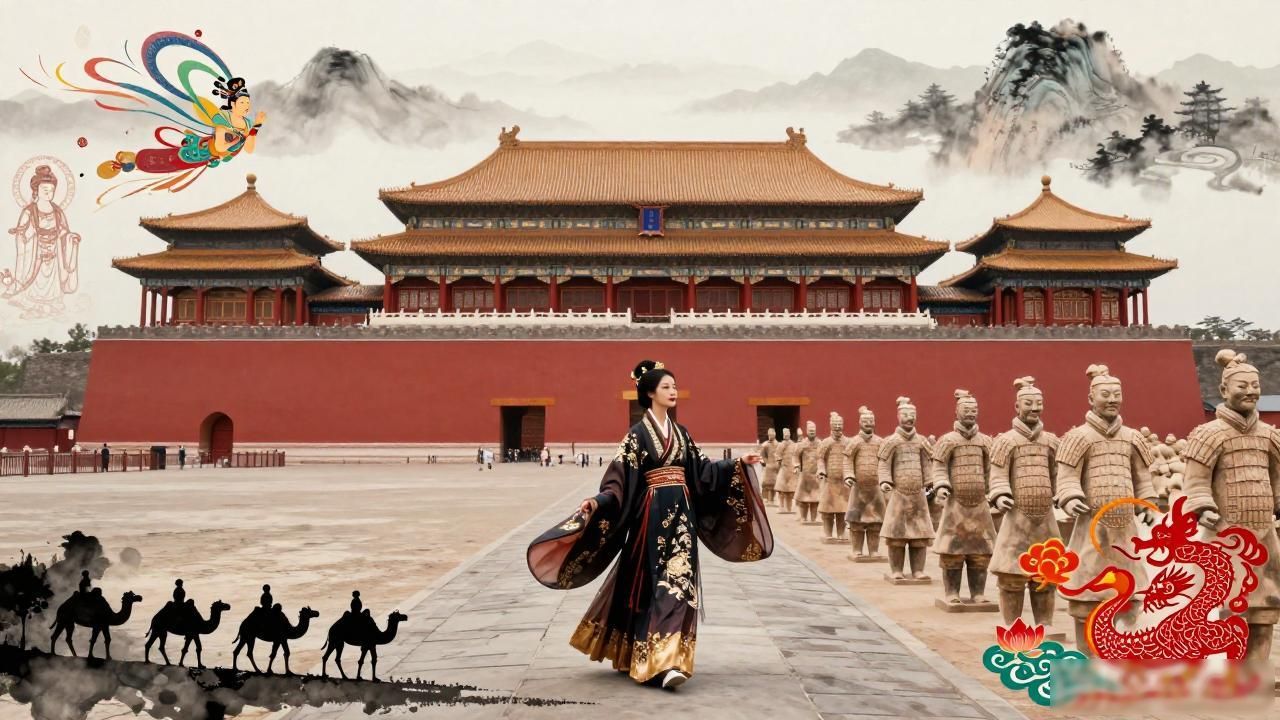
How to choose the right destinations for cultural travel
China is huge, and not every city offers the same kind of cultural experience. If you want deep history, cities like Xi’an, Luoyang, and Nanjing are good choices. Xi’an has the Terracotta Warriors, but also a vibrant Muslim Quarter where you can taste foods influenced by the Silk Road. If you prefer rural traditions, head to places like Guizhou or Fujian, where ancient villages and rice terraces show a slower pace of life. In Fujian, you can even stay overnight in a tulou, a round communal house built centuries ago by the Hakka people.
Another approach is to focus on festivals. Planning your trip around events like the Spring Festival, Dragon Boat Festival, or local harvest celebrations can give you direct access to cultural rituals. For example, during the Lantern Festival in Pingxi, you can release a paper lantern with a wish written on it—a tradition that feels personal and meaningful. The key is to match your interests with the region’s strengths, not just follow generic travel guides.
Cultural travel in China works best when you slow down, talk to people,and try something new every day. It’s not about covering ten cities in two weeks. It’s about spending real time in one or two places, letting the culture sink in through food, conversation, and daily routines. That is what makes the experience unforgettable.