
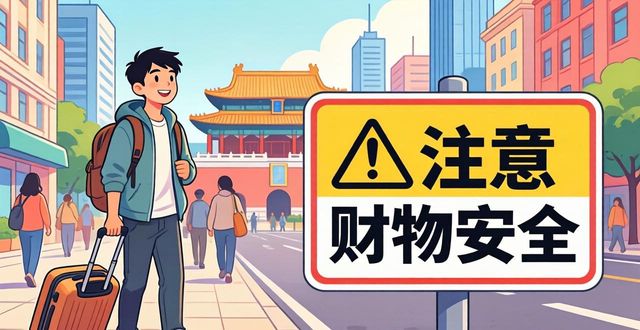
Traveling in China is an incredible experience, offering ancient history, modern cities, and stunning natural landscapes. However, like any destination, staying safe requires some basic awareness and preparation. Most visitors find China very safe, especially in terms of violent crime, but small issues like pickpocketing, scams, or language barriers can happen. In this guide, I’ll share practical, real-world safety tips based on years of travel experience and local knowledge. You’ll learn how to protect your belongings, handle emergencies, and avoid common tourist pitfalls. Let’s dive into what every foreign traveler should know before exploring China.
Is China safe for tourists at night

Many first-time visitors worry about evening safety, and the good news is that China is generally very safe after dark. Major cities like Beijing, Shanghai, and Guangzhou have well-lit streets, active police patrols, and countless pedestrians even past midnight. Violent crime against tourists is extremely rare. However, you should still take normal precautions: avoid dark alleys, don’t flash expensive items, and stick to busy areas. Night markets and bar districts are popular and safe, but be mindful of your drink and wallet in crowded places. While muggings are uncommon, pickpocketing can happen in tourist hotspots like the Bund or Wangfujing Street. Use a cross-body bag, keep your phone in your front pocket,and stay aware of your surroundings. If you feel uncomfortable, take a licensed taxi or Didi (China’s Uber) back to your hotel.
How to avoid common scams in China
Scams targeting foreigners exist in China, but they’re easy to spot once you know the patterns. The most famous is the “tea house scam” where a friendly local invites you for tea, then presents a huge bill. Another is the “art student scam” – someone claiming to be an art student asks you to see their exhibition, leading to a shop where you’re pressured to buy overpriced calligraphy. Also watch for fake monks who tie a “blessing bracelet” on your wrist and demand money. To avoid these, politely refuse any unsolicited invitation, especially from English speakers near major sights like the Forbidden City or Terracotta Warriors. Stick to reputable businesses, agree on taxi fares before starting (or use ride-hailing apps), and never follow strangers to “authentic” shops. If something feels off, just walk away – scammers target tourists who hesitate.
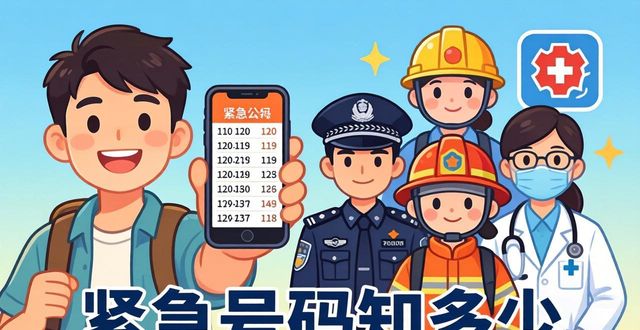
What emergency numbers should I know in China
Knowing local emergency numbers can save precious time during a crisis. In China, the main three numbers are: police (110), fire (119), and ambulance (120). These numbers work nationwide and operators usually speak Mandarin, but many cities have English-speaking support, especially in tourist areas. For non-urgent issues like lost property or reporting a scam, you can also visit the nearest police station. Another important number is the China Tourist Helpline (12301) – it provides English assistance for travel-related problems, including disputes with hotels or tour operators. If you need consular help, save your embassy’s contact. For example, the US embassy in Beijing is +86-10-8531-4000. Write these numbers on a card or save them in your phone. Also, download the WeChat app; many services, including taxi-hailing and hotel check-ins, use it. Remember, for minor injuries or sickness, go to a public hospital – they’re affordable and have international clinics in big cities.
Staying safe with transportation and crowds
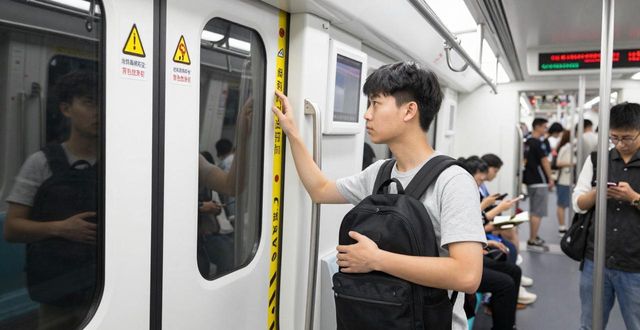
China’s public transport is efficient but can be overwhelming, especially during rush hours or holidays. On subways, watch your pockets when doors are closing – that’s when pickpockets strike. Keep your backpack in front and avoid using your phone near exits. High-speed trains are very safe, but always lock your luggage to the rack. When taking taxis, ask for the meter or use Didi, which shows the price upfront. Never take unmarked cars at airports or train stations. During holidays like Golden Week (October) or Spring Festival (January/February), train stations and popular attractions become impossibly crowded. To stay safe, avoid peak travel times if possible, carry a mask to protect against germs, and keep children close. Have your hotel’s address written in Chinese characters – show it to drivers or police if you get lost. Also, be aware that pedestrian traffic rules differ: cars may not always yield at crosswalks, so look both ways even on green lights.
What’s one safety concern you have about visiting China, or a tip you’d add from your own travels? Share your thoughts in the comments – I’d love to hear from fellow explorers, and don’t forget to like and share this guide if it helped you plan a safer trip!