
I’ve been cooking Chinese food in my small apartment for three years now. Traditional Chinese recipes scare off a lot of people because they assume you need rare ingredients or an entire afternoon in the kitchen. But that’s not true at all. Most of the dishes that actually define home-style Chinese cooking rely on pantry staples you can find in any supermarket, and the techniques are simpler than most people give them credit for.
## What Traditional Chinese Recipes Should Beginners Try

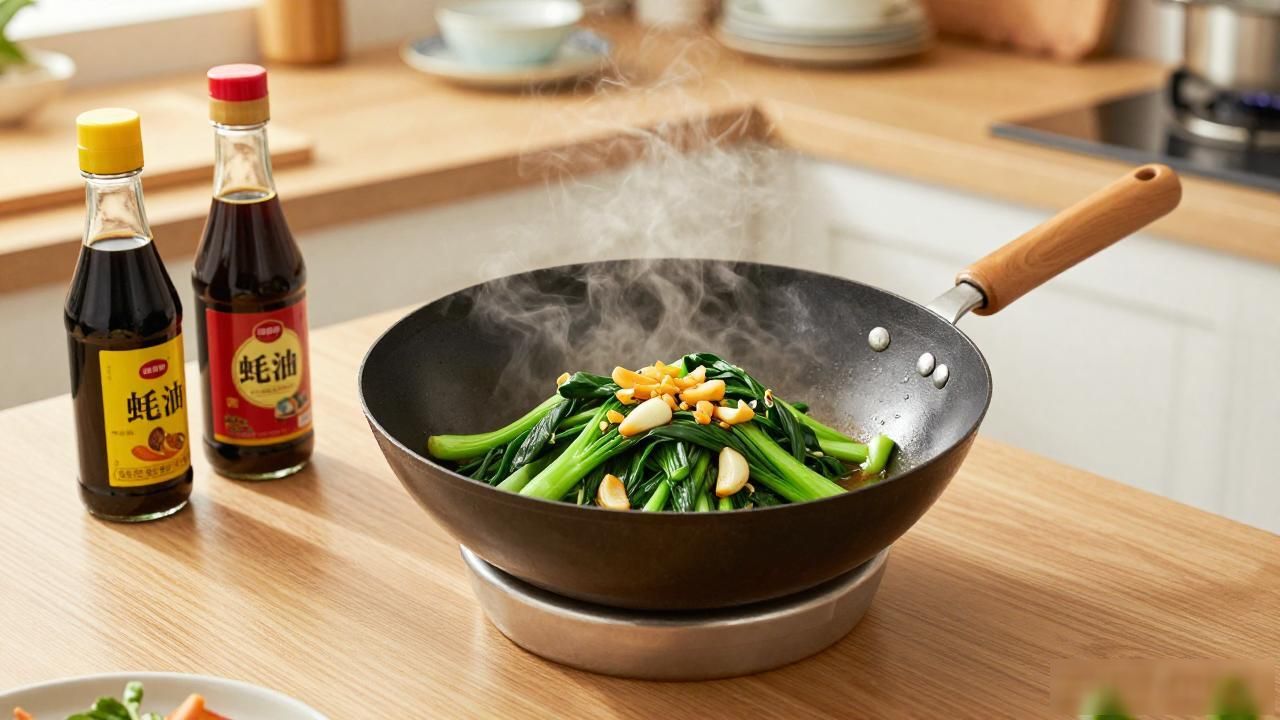
Most first-timers reach for Kung Pao chicken or mapo tofu without realizing those are already intermediate-level dishes. I’d say sautéed bok choy with garlic and oyster sauce is where you want to start. You heat a wok, throw in a little oil, dump in the greens, splash on soy and oyster sauce, and you have a dish in four minutes. No sauce mixing,no spice grinding, no twenty-ingredient shopping list.
Another one that surprised me was how forgiving steamed fish is. One whole tilapia, sliced ginger, scallions, a ladle of light soy, twenty minutes in the steamer. That’s it. The technique matters more than the ingredients, and once you learn not to overcook, you’ll never go back to ordering it at a restaurant.
## Which Traditional Chinese Recipes Are Easiest to Cook
If you want a proper meal that feels like you pulled it from a real grandmother’s kitchen, try braised pork belly with rock sugar. Cut it into one-inch cubes, sear in a dry wok until the edges curl and turn mahogany, then add water, a splash of soy, a few chunks of rock sugar, and let it simmer. The whole process is almost passive. You walk away, come back, taste, adjust. It tastes like something that took all day but really just needs patience.
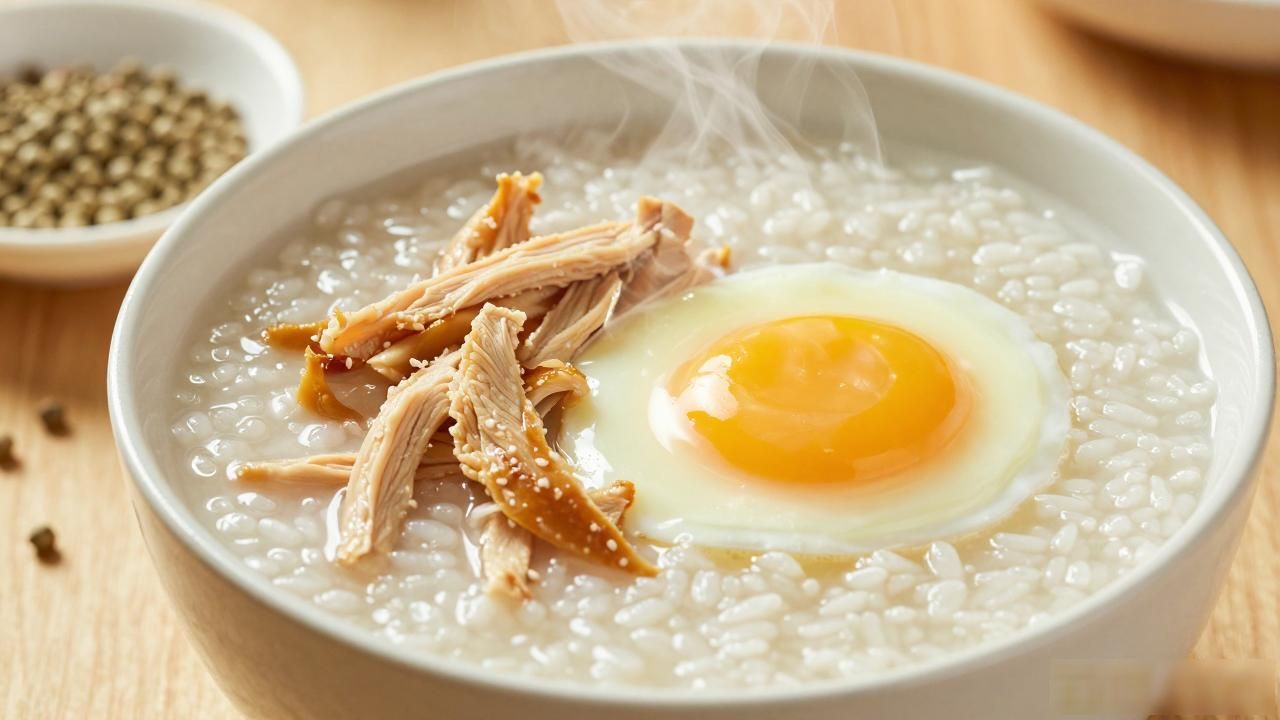
And for a quick comfort bowl, congee is the recipe I make when I’m feeling under the weather. Rinse rice, drop it in a pot with water, let it bubble for an hour until the grains fall apart. Top with a soft-boiled egg, shredded chicken, a pinch of white pepper. It’s basically the Chinese equivalent of a warm bowl of soup, and it makes a bad day feel a little less chaotic.
You don’t need a Chinese grocery store or a recipe book with forty pages of instructions. Grab a wok, keep a few basics in your cupboard, and start with the simplest version of any dish. The flavors will teach you what to add next time. That’s how most of these recipes actually got passed down in the first place—trial, error, and a lot of hungry family members critiquing the pot.