
What makes Beijing’s food culture unique goes far beyond the famous Peking duck served in tourist-heavy restaurants. It’s a world shaped by centuries of imperial history, harsh northern winters, and the daily rhythms of local life. The real eating culture here is about simple ingredients transformed through skill and tradition, often cooked in ways that maximize flavor and warmth.
What are the must-try local dishes in Beijing

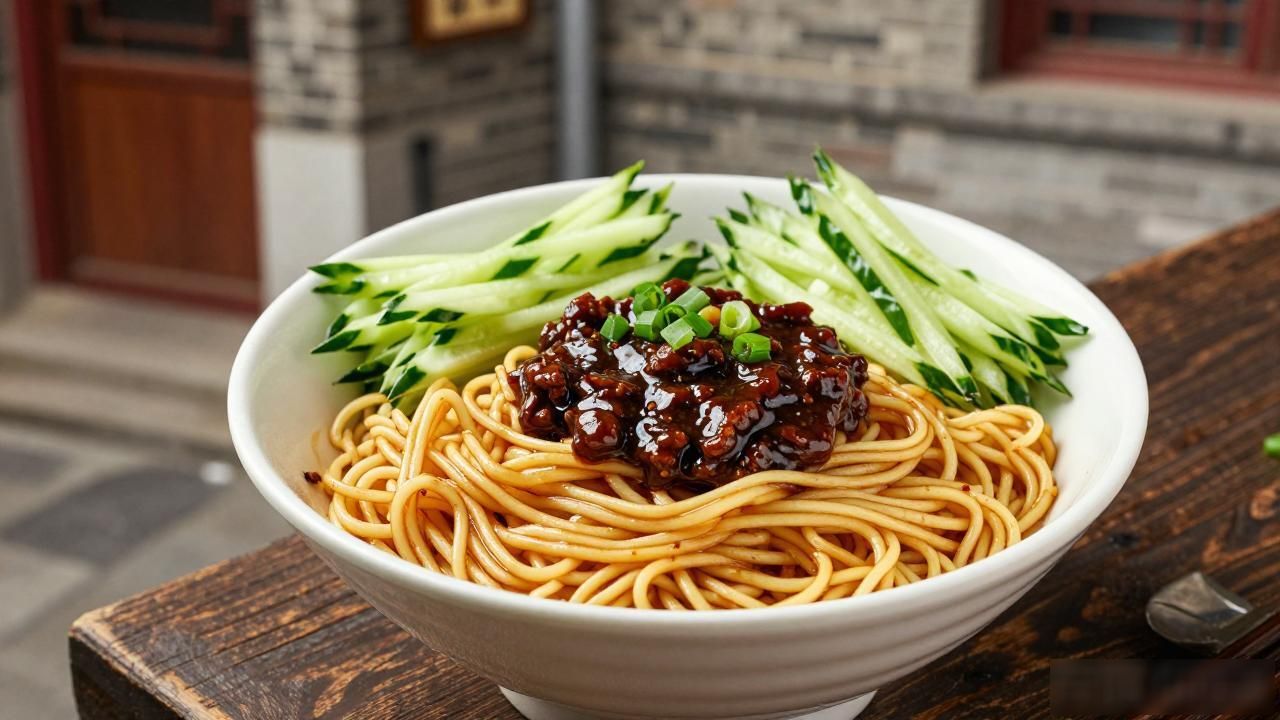
You can’t talk about Beijing food culture without starting with Zhajiangmian, or fried sauce noodles. This is the working-class hero of Beijing’s kitchen: chewy hand-pulled noodles topped with a thick, savory sauce made from fermented soybean paste and minced pork. Locals eat it with shredded cucumber, soybean sprouts, and a drizzle of garlic water. It’s not fancy, but it’s deeply satisfying. Then there’s lamb hotpot, especially in winter. Thin slices of lamb are swished in a boiling pot of clear broth, then dipped in sesame sauce mixed with fermented tofu and chili oil. The ritual of cooking at the table, sharing meat and vegetables with friends, is central to how Beijingers experience food as a social act.
Another cornerstone is jianbing, the street crepe that fuels Beijing’s mornings. Vendors spread a thin layer of batter on a hot griddle, crack an egg over it, flip it, and brush on a mix of sweet bean sauce and spicy paste. They stuff it with a crunchy fried cracker, scallions, and cilantro. It’s cheap, fast, and eaten on the go. These dishes tell a story: Beijing food is practical, bold, and built for community.
Where can I find authentic Beijing food beyond tourist areas
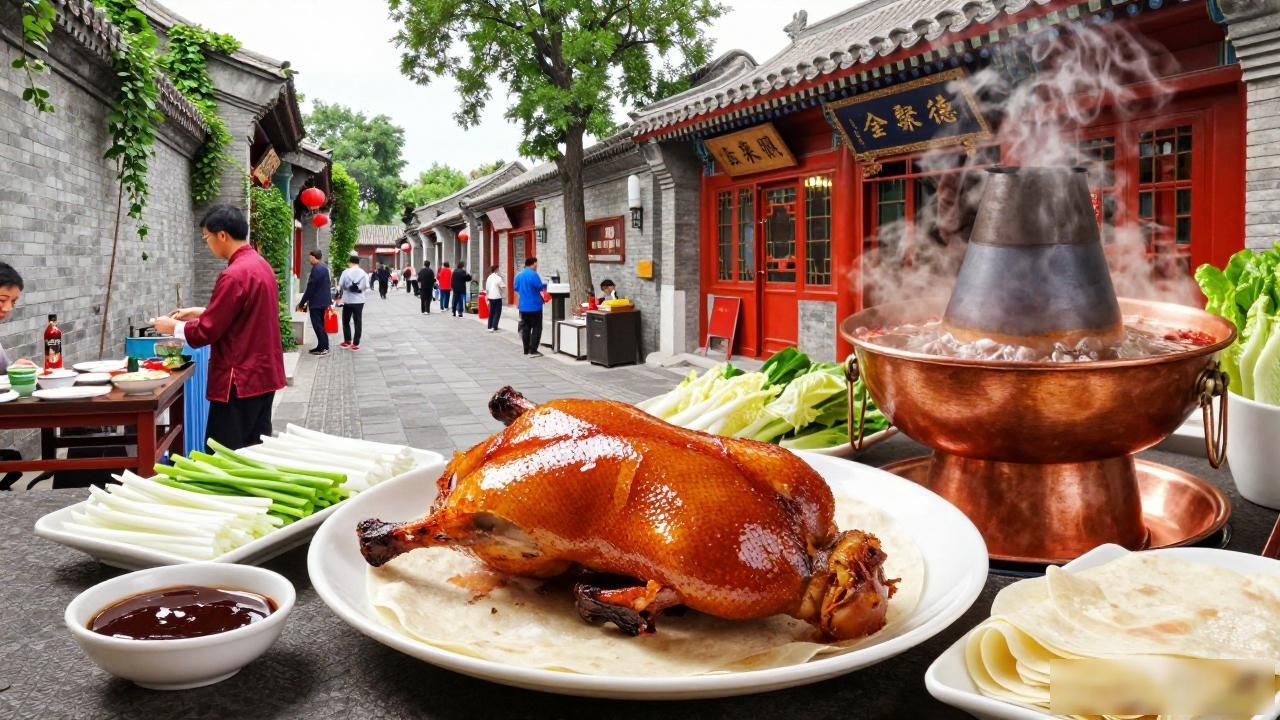
Skip the glossy restaurant menus on Wangfujing Street. Real Beijing food culture lives in hutongs, the narrow alleyways that still form the city’s traditional neighborhoods. Head to Niujie in the Muslim Quarter,where you’ll find lamb skewers grilled over charcoal, sesame pancakes stuffed with beef, and steaming bowls of millet porridge. The vendors here have been selling the same recipes for decades. Another spot is Guijie, Ghost Street, a long strip of restaurants open late into the night. It’s where locals go after work for spicy crawfish, grilled fish, and cold beer.
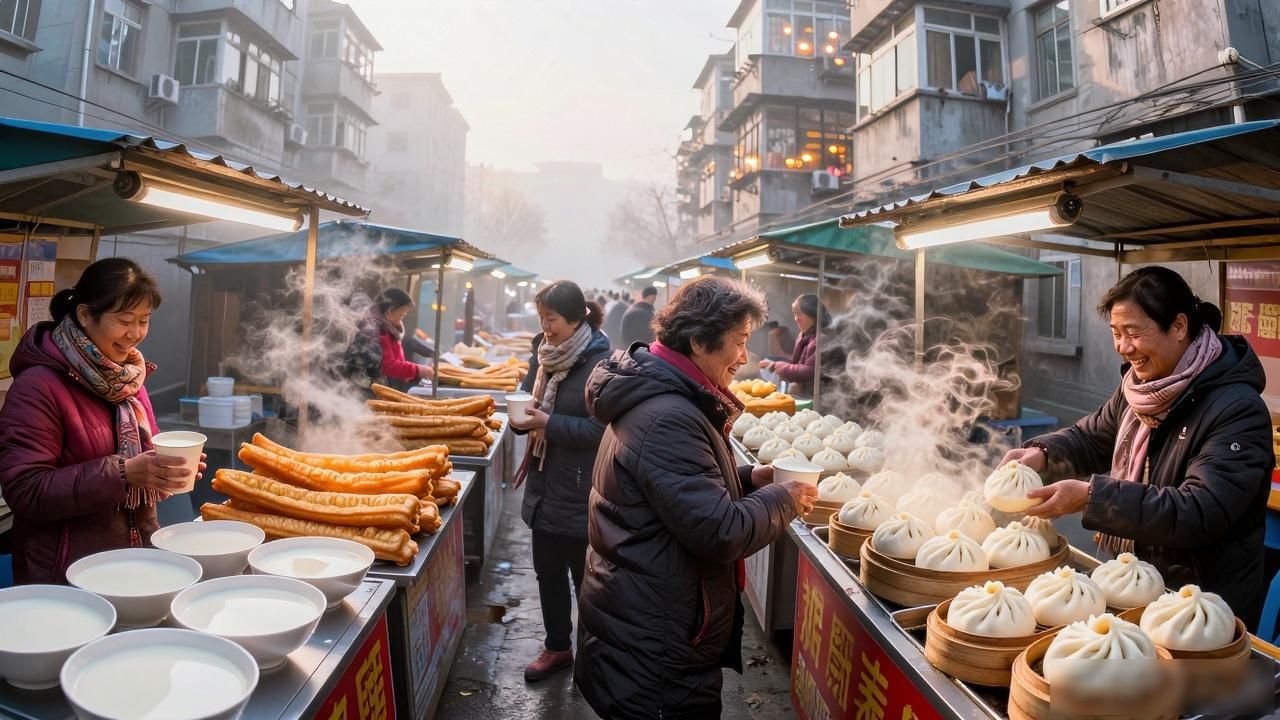
Don’t underestimate the value of a breakfast market. Wander into any residential area early in the morning, and you’ll find small stalls selling deep-fried dough sticks, hot soy milk, and steamed buns filled with pork and ginger. These are the foods most tourists never taste. Eating there means sitting on a tiny plastic stool, hearing Beijing dialect all around you, and watching the city wake up. That’s the real food culture: not just what you eat, but where and how you eat it.
Beijing’s food culture is a living archive of the city’s soul. It’s found in the smoky air of a hotpot table, the crackle of a jianbing griddle, and the quiet morning bustle of a hutong breakfast stall. To understand it, you have to leave the guidebook behind and follow the locals.