
Beijing’s hutongs are more than just narrow alleys—they are living museums of traditional Chinese urban life. Walking through them offers a glimpse into a world where courtyard homes, local crafts, and century-old customs still thrive. For travelers seeking authentic experiences beyond the tourist crowds,engaging in hutong cultural activities is the best way to connect with the city’s soul. These activities range from cooking classes to calligraphy workshops, each offering a personal encounter with Beijing’s rich heritage.
What types of cultural activities can you do in a hutong

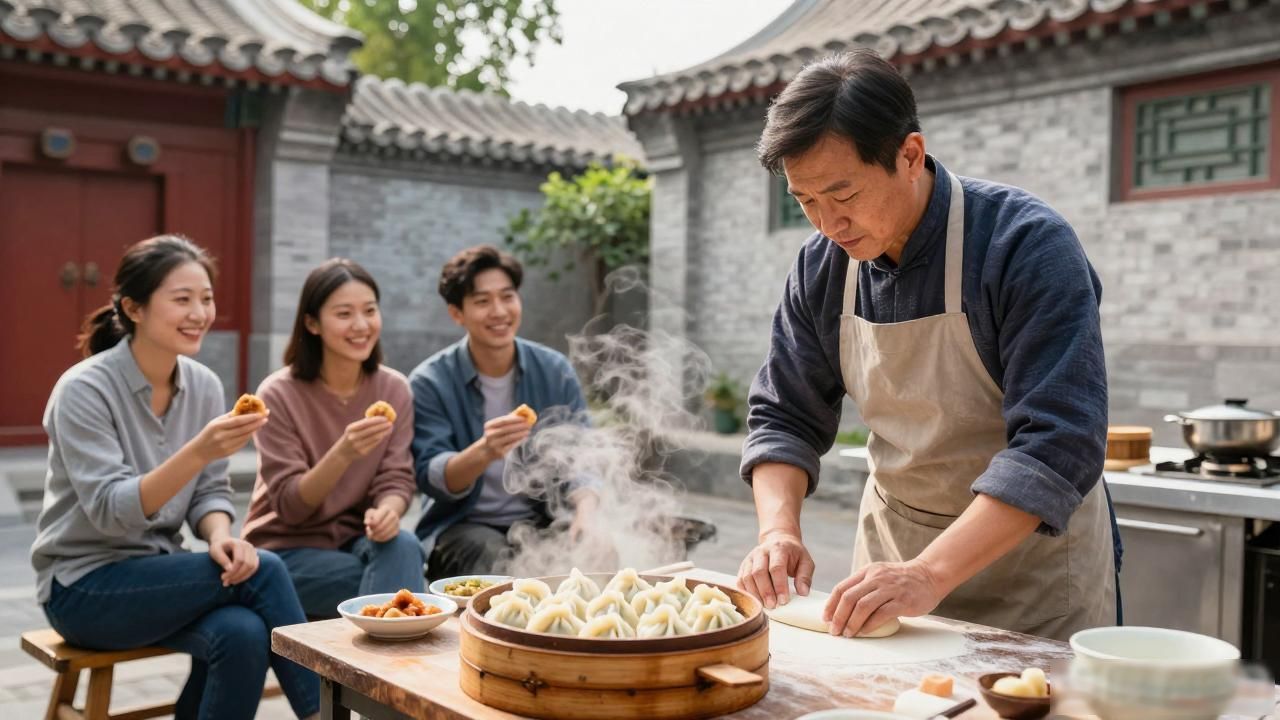
One of the most popular activities is learning to make traditional Beijing snacks. In a cozy courtyard kitchen, a local chef teaches you how to roll out dough for zhajiangmian or steam delicate dumplings. You taste your creations while sitting on wooden benches, hearing stories about how these recipes have been passed down through generations. Another engaging experience is taking a paper-cutting workshop. An elderly artisan guides your hand as you fold red paper and snip out intricate patterns—symbols of luck and prosperity. This slow, mindful craft lets you appreciate the patience embedded in Chinese folk art.
Tea ceremonies are also common in hutong settings. Hosts explain the history of different tea leaves and the proper way to brew and serve. You sip oolong in small cups while sitting in a shaded courtyard, surrounded by potted plants and the distant chatter of neighbors. For those interested in martial arts, some hutongs offer early morning tai chi sessions. A master leads you through slow, flowing movements, emphasizing balance and breath control. These activities are not just for entertainment—they create a bridge between visitors and the everyday rhythm of hutong life.
How to choose the right hutong cultural experience for your trip
Your choice depends on what you want to take away from Beijing. If you are a food lover, prioritize cooking classes or market tours where a guide walks you through a local wet market and explains unusual ingredients. If you prefer hands-on art, look for workshops that let you paint traditional opera masks or make clay figurines. Families with children often enjoy kite-making sessions, where kids can paint and fly their own creations in nearby parks.
Time and location also matter. Some hutongs are more touristy, with larger groups and scheduled performances, while others offer intimate, reservation-only experiences. Research operators that employ local residents—this ensures your money directly supports the community. Reading recent reviews helps you avoid overly commercialized activities. For a deeper connection, consider a multi-activity package that combines a walking tour with a craft workshop. This gives you context before the hands-on part, making the experience more meaningful.
Participating in hutong cultural activities transforms a simple sightseeing trip into a memorable cultural exchange. You leave with not just photos, but with skills, stories, and a genuine appreciation for Beijing’s living traditions.