
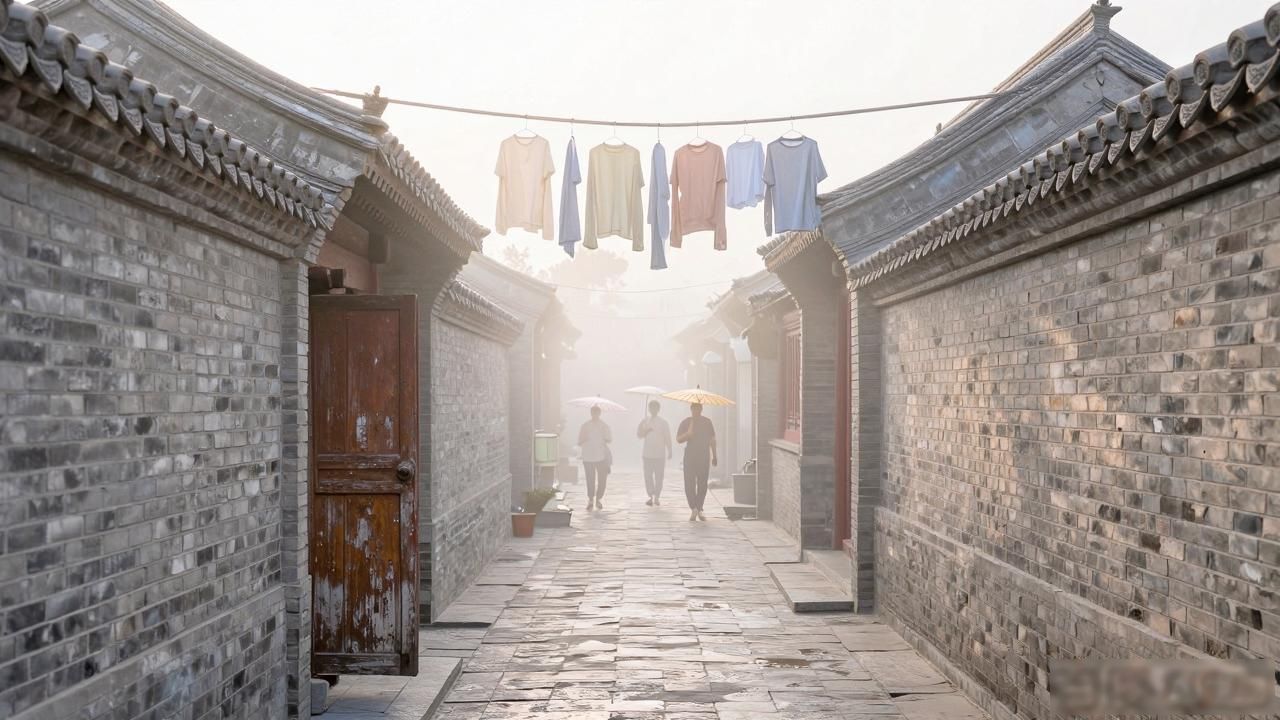
Walking through a Beijing hutong is like stepping into a living museum. These narrow alleyways, lined with centuries-old courtyard homes, hold the heartbeat of old Beijing. For any foreign traveler, exploring the hutongs is not just a sightseeing activity—it’s an immersion into everyday Chinese life, where history, community, and culture blend seamlessly.

Why Beijing hutongs are a must-see for travelers
When you visit Beijing, the Forbidden City and the Great Wall are obvious stops. But the hutongs offer something different: authenticity. Here, you won’t find polished exhibits or guided tours with headsets. Instead, you’ll see elderly men playing chess under a locust tree, women hanging laundry on bamboo poles, and the smell of fried chives drifting from open kitchen windows. These are real neighborhoods where people have lived for generations. Many foreign visitors tell me they feel more connected to Beijing’s soul in one hour of hutong wandering than during an entire day at a tourist site. The narrow lanes force you to slow down, to notice the carved doorways and stone drums that mark each siheyuan, or traditional courtyard house. Some hutongs date back over 700 years, to the Yuan Dynasty. Walking them, you trace the footsteps of emperors, scholars, and commoners alike. For anyone wanting to understand what makes Beijing tick, the hutongs are essential.
What you will see and do inside a hutong
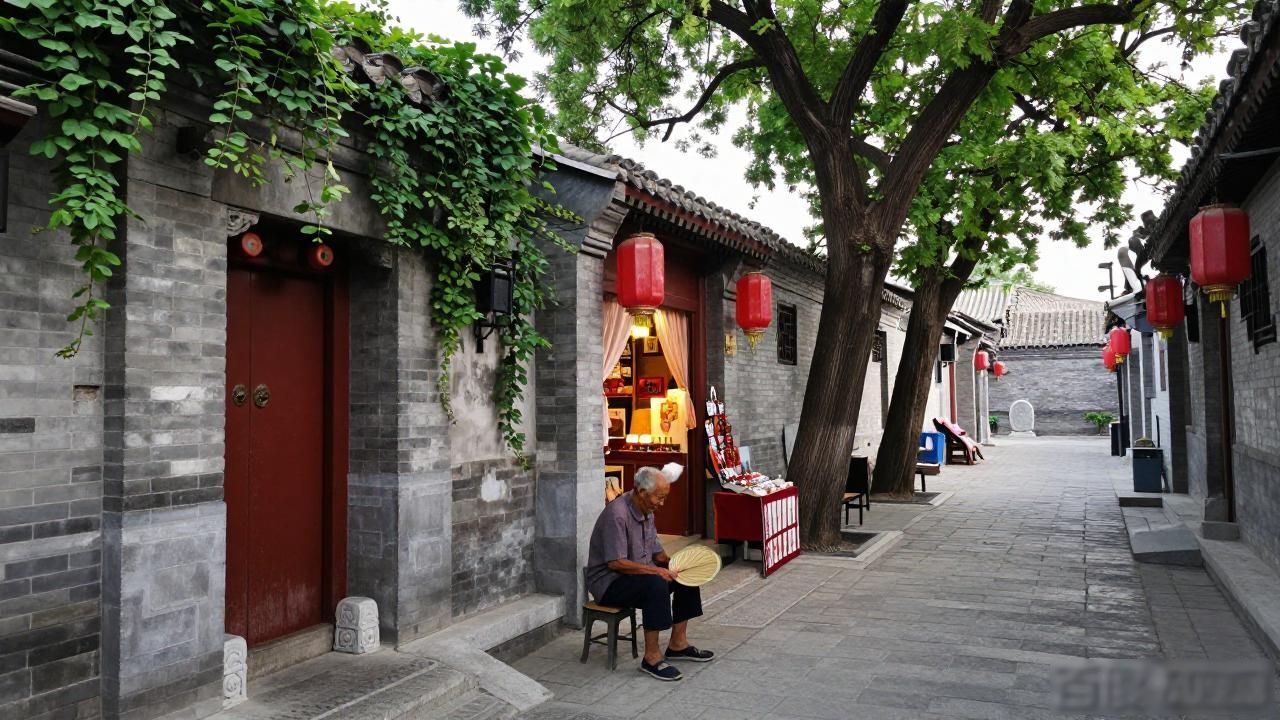
A typical hutong experience starts at the entrance of an alley barely wide enough for two people to pass. As you walk deeper, you’ll spot bicycles leaning against gray brick walls, red lanterns hanging from eaves, and the occasional stray cat basking in the sun. Many courtyard homes have been converted into cozy cafes, art galleries, or boutique guesthouses. You can stop for a cup of jasmine tea in a courtyard shaded by a gnarled pomegranate tree. Some hutongs, like Nanluoguxiang, are lively and tourist-friendly, packed with shops selling hand-painted fans and calligraphy scrolls. Others, like the quieter areas around Dashilan, feel frozen in time. Locals may invite you for a chat if you show genuine curiosity. You might even see a hutong wedding,with red banners and firecrackers. For photographers, the play of light and shadow on ancient walls is endlessly rewarding. Don’t forget to try a jianbing—a savory crepe—from a street vendor. It’s crispy, hot, and unforgettable.
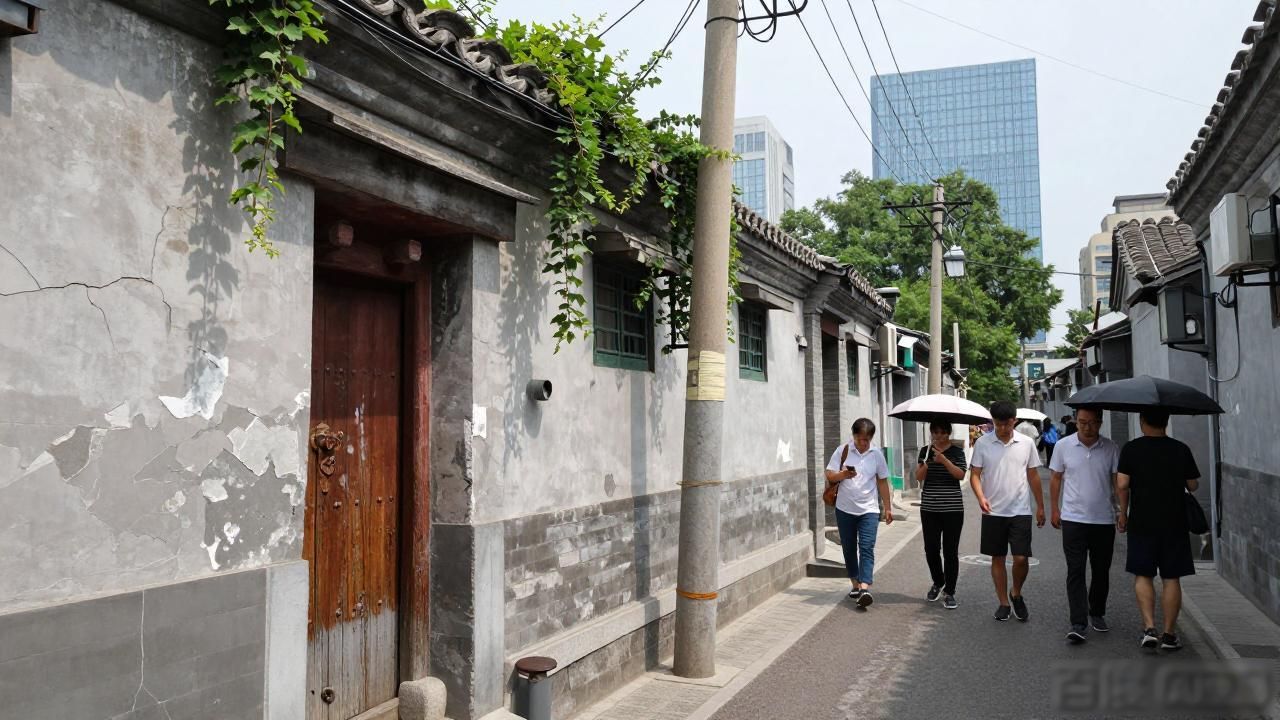
The beauty of the hutongs lies in their imperfection. Walls are patched, wires dangle overhead, and doors creak with age. Yet this very rawness tells a story of resilience and continuity. As you leave the hutong and step back into Beijing’s modern streets, you carry with you a sense of having glimpsed something precious: a city that hasn’t forgotten its roots.