
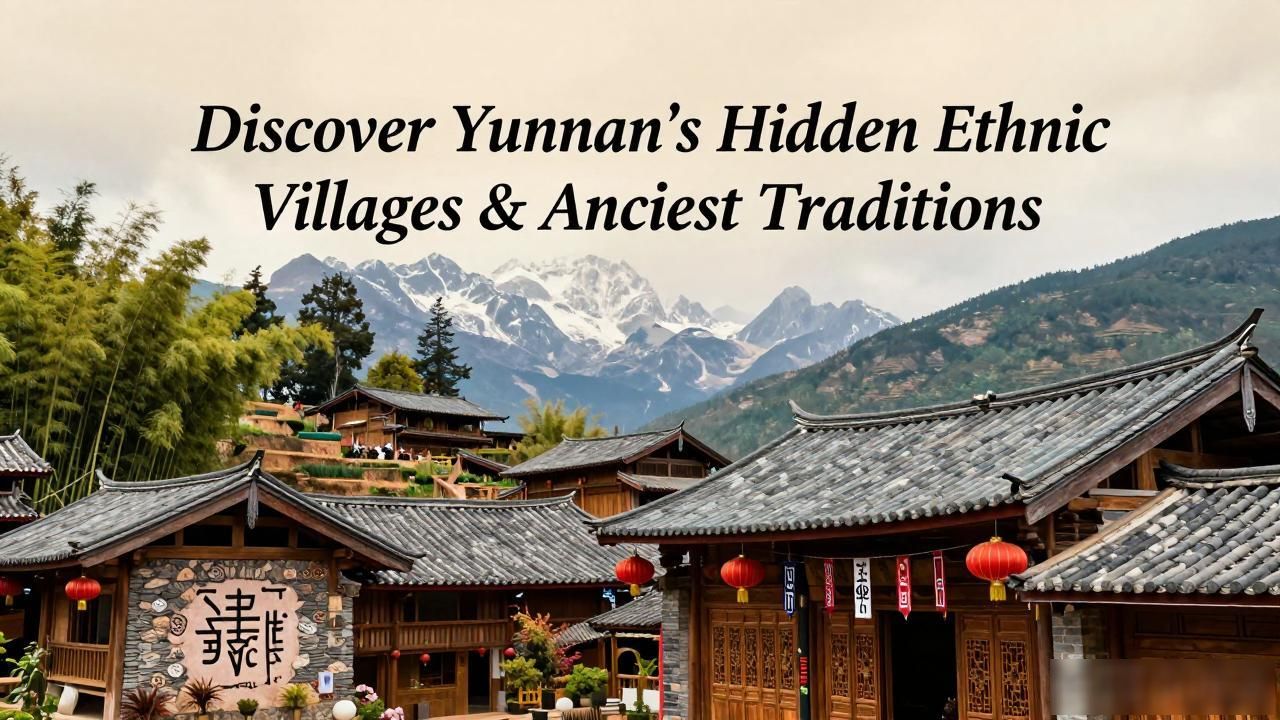
Yunnan is home to 25 ethnic minorities, each with its own language, festivals, and way of life. For travelers seeking something beyond the usual tourist trail, the ethnic customs here offer a deep, living connection to China’s cultural diversity. From the rice terraces of the Hani people to the ancient matriarchal traditions of the Mosuo, Yunnan’s ethnic customs are not museum pieces—they are vibrant, everyday realities.
What makes Yunnan ethnic customs so unique

The first thing to understand is that Yunnan’s ethnic customs are not a single,uniform culture. The province’s rugged mountains and deep valleys have historically isolated communities, allowing distinct traditions to develop over centuries. For example, the Dongba script of the Naxi people is the only living pictographic writing system in the world. You can still see elderly Naxi priests chanting from handmade Dongba books in Lijiang’s old town. Meanwhile, the Dai people celebrate the Water Splashing Festival every April, a joyful event where locals and visitors douse each other with water to wash away bad luck and welcome the new year. This festival is not just a tourist show—it is a deeply spiritual practice rooted in Theravada Buddhist beliefs.
Another striking example is the Mosuo people living around Lugu Lake. They practice a form of matriarchy where women run households and make key decisions. Their “walking marriage” custom, where partners do not live together but meet by night, challenges Western ideas of family structure. Travelers who visit Mosuo villages often leave with a completely new perspective on gender roles and community life.
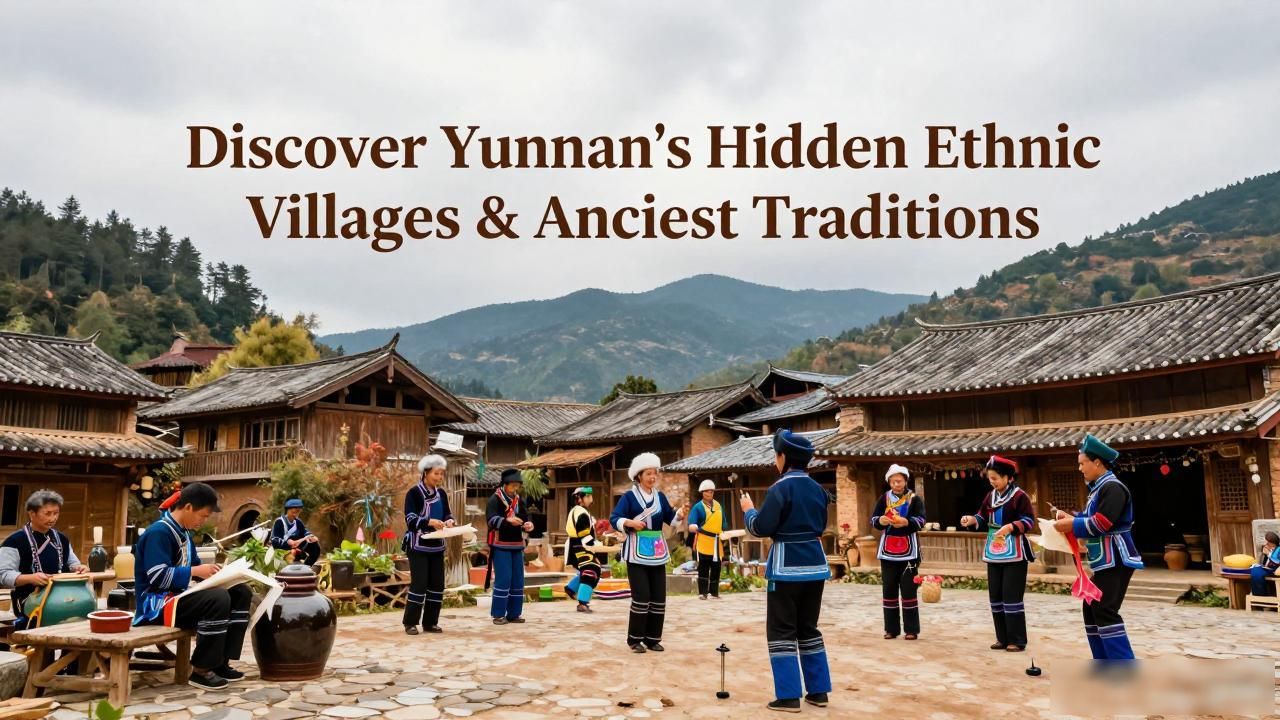
How to experience ethnic customs without being a tourist
Many visitors worry about turning cultural experiences into superficial performances. The key is to go beyond staged shows and seek authentic encounters. In the Yuanyang rice terraces, Hani women still wear their traditional indigo-dyed clothing while working in the fields. You can join a local family for a meal of purple rice and smoked pork, learning how their agricultural calendar is tied to ancient rituals. These terraces are not just scenery—they are a living cultural landscape shaped by generations of Hani farmers.
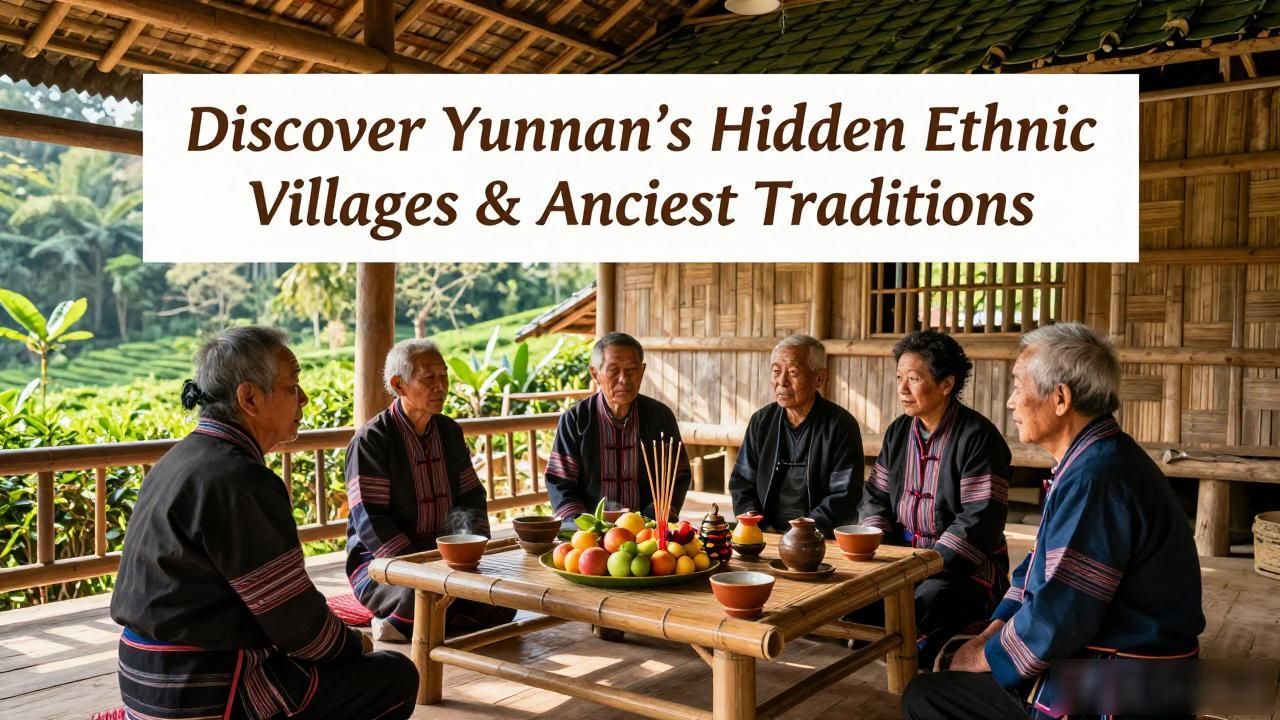
In the remote villages of Xishuangbanna, the Aini people welcome guests into their bamboo homes for tea ceremonies that last hours. The tea is grown on nearby slopes, and the ceremony involves chanting and offerings to ancestors. If you show genuine respect, elders may share stories about their oral history, which is passed down through songs. Avoid rushing through these experiences. Spend at least two nights in a village homestay to truly understand the rhythm of daily life.
Yunnan’s ethnic customs are a reminder that cultural diversity is not a relic of the past. They are alive, adapting, and open to those who approach with curiosity and humility. Whether you walk through a Dai village at dawn or listen to a Mosuo grandmother tell stories by the fire, you will find that these traditions offer something rare in our modern world—a sense of belonging to something older and wiser.