
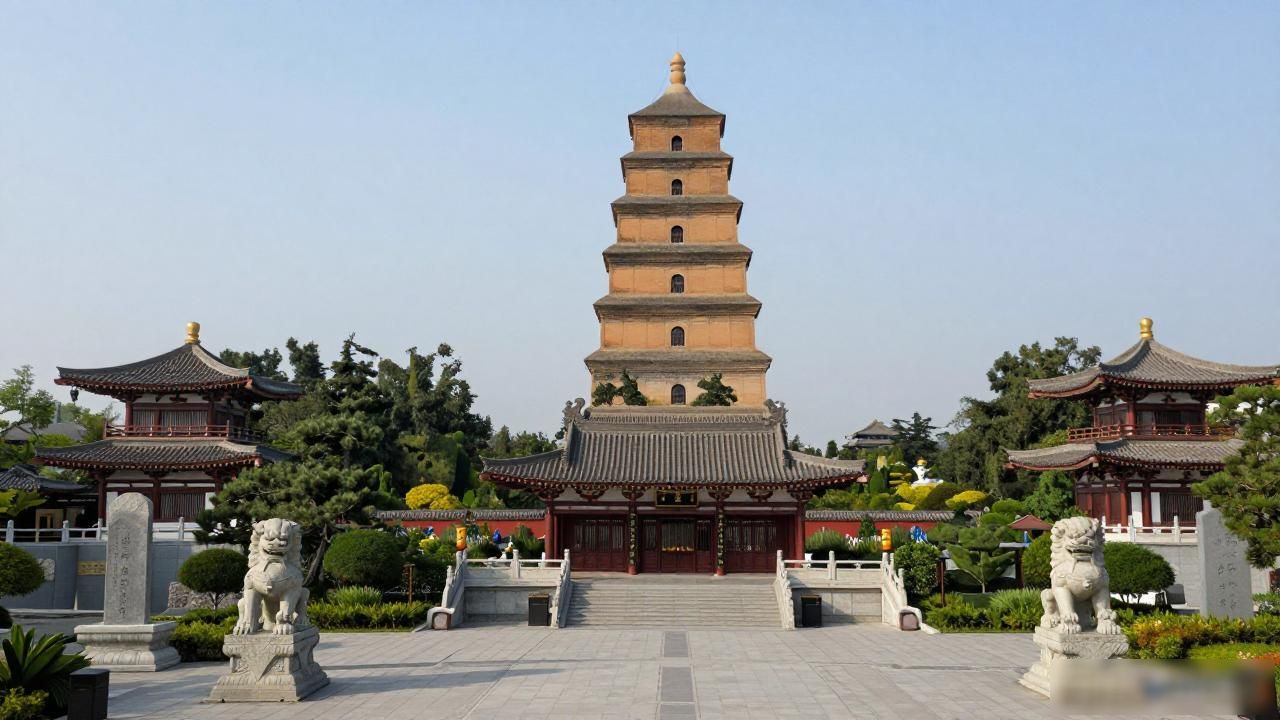
When I first walked through the mossy gates of Xi’an’s ancient temples, I was struck by how differently they feel from the bustling city around them. These sacred spaces have stood for over a thousand years, witnessing dynasties rise and fall, while silently offering peace to those who seek it. For foreign travelers exploring Shaanxi province, theXi’an ancient temples offer a profound cultural experience that goes far beyond typical tourist attractions.
Why Are Xi’an Ancient Temples Worth Visiting

The Giant Wild Goose Pagoda temple complex immediately draws visitors from around the world. This towering Buddhist structure dates back to 652 AD during the Tang Dynasty. It was originally built to store Buddhist scriptures brought back by the famous monk Xuanzang from his travels to India. What makes this temple truly remarkable is not just its age, but its active role in Buddhist practice today. Pilgrims still visit daily to pray and offer incense. The surrounding park area provides a serene escape from downtown crowds.
Changan Temple, located just outside the southern city wall, presents a different atmosphere. This Zen Buddhist monastery has been a center of spiritual study for over fourteen centuries. Walking through its wooden corridors, you can feel centuries of meditation echoing through stone floors. Foreign visitors often tell me they found unexpected calm here. The temple gardens are meticulously maintained, featuring ancient cypress trees that predate the Ming Dynasty.
What Makes Each Temple Unique Among Xi’an Ancient Temples
Each temple in Xi’an carries its own distinct spiritual character. The Great Mosque, though technically Islamic rather than Buddhist,shares architectural similarities with Chinese temple design. Its minarets resemble pagodas, and wooden courtyards mirror temple structures. This unique blend reflects Xi’an’s long history as a crossroads of civilizations along the Silk Road.
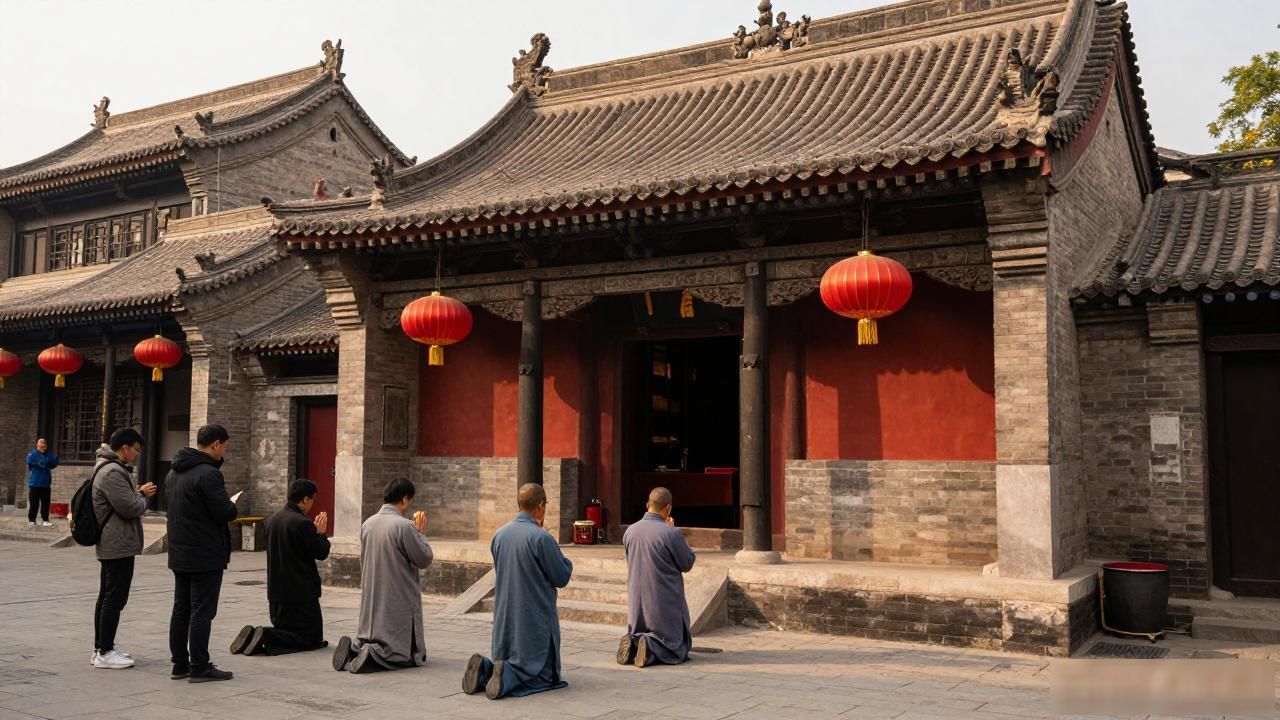
Small neighborhood temples scattered throughout the old city deserve equal attention. These community shrines often operate with minimal crowds, allowing genuine interaction with local worshippers. Many tourists miss these quieter spaces entirely, rushing toward the famous sites instead. I recommend setting aside at least one morning to explore smaller temples off the main tourist routes. You will discover frescoes, carvings, and devotional practices that remain unchanged for generations.
The best time to visit depends on your preferences. Spring brings blooming gardens, while autumn offers comfortable temperatures for walking between sites. Early mornings prove ideal for observing local rituals before tour groups arrive. Late afternoon visits provide beautiful golden light filtering through wooden lattice windows, creating photographically stunning scenes at any Xi’an ancient temples.