
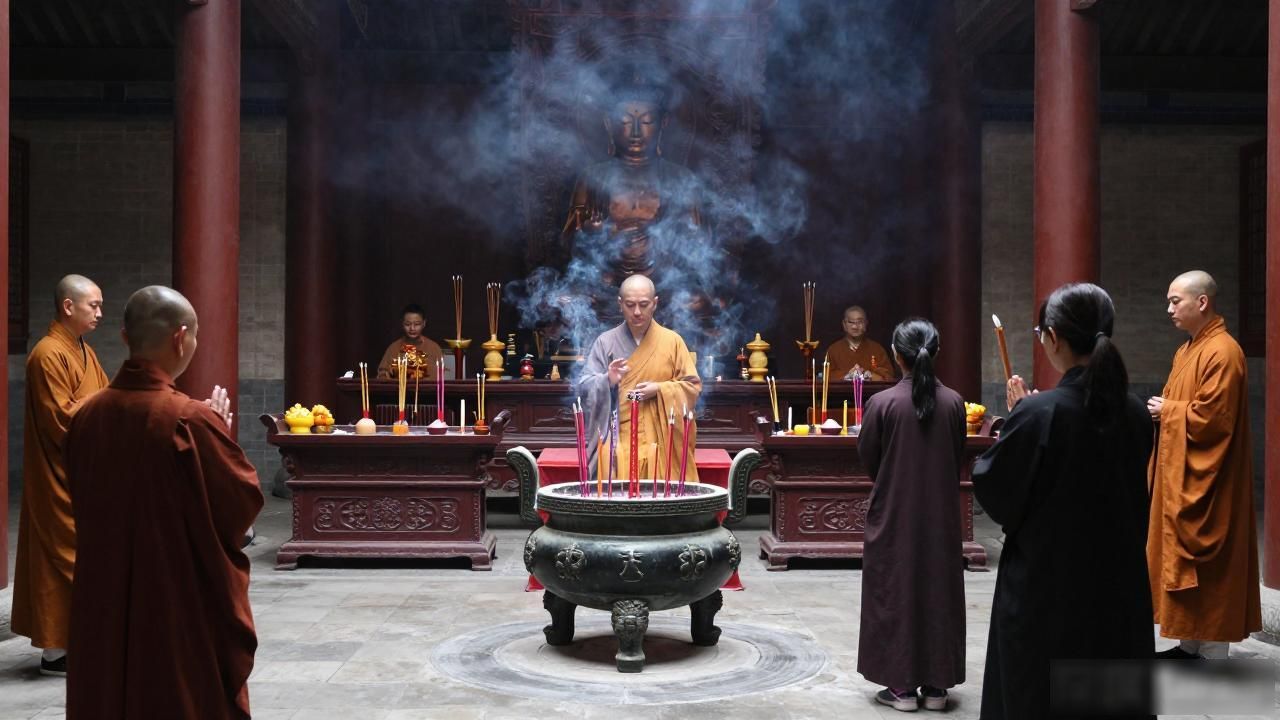
Xi’an was once the eastern terminus of the Silk Road and the beating heart of ancient Chinese civilization. Beyond its famous Terracotta Army and city walls, the city holds one of the richest concentrations of Buddhist temples in all of China. These sacred sites span over a thousand years of history, serving as places of worship, centers of learning, and living testaments to the cultural exchange between East and West.
What makes Xi’an’s Buddhist temples special
The city’s religious landscape reflects its long history as a cosmopolitan capital. Buddhist monasteries flourished here during the Tang Dynasty when scholars traveled thousands of miles to bring sacred texts from India back to China. Many of these temples still function as active monasteries, preserving ancient rituals and meditation practices that have survived dynastic changes and modern transformations.

Unlike many restored historical sites across China, Xi’an’s temples carry a palpable sense of spiritual continuity. Monks can still be seen performing ceremonies, incense smoke rises from altars throughout the day, and local devotees come to pray for their families. This living quality sets Xi’an apart from destinations where religious sites exist only as museums of the past.
The architectural styles range from grand Tang-era complexes to intimate Ming and Qing period structures. Each layer of history left its mark, creating a tapestry of religious artistry that continues to inspire visitors from around the world.
Must-visit temples and their histories
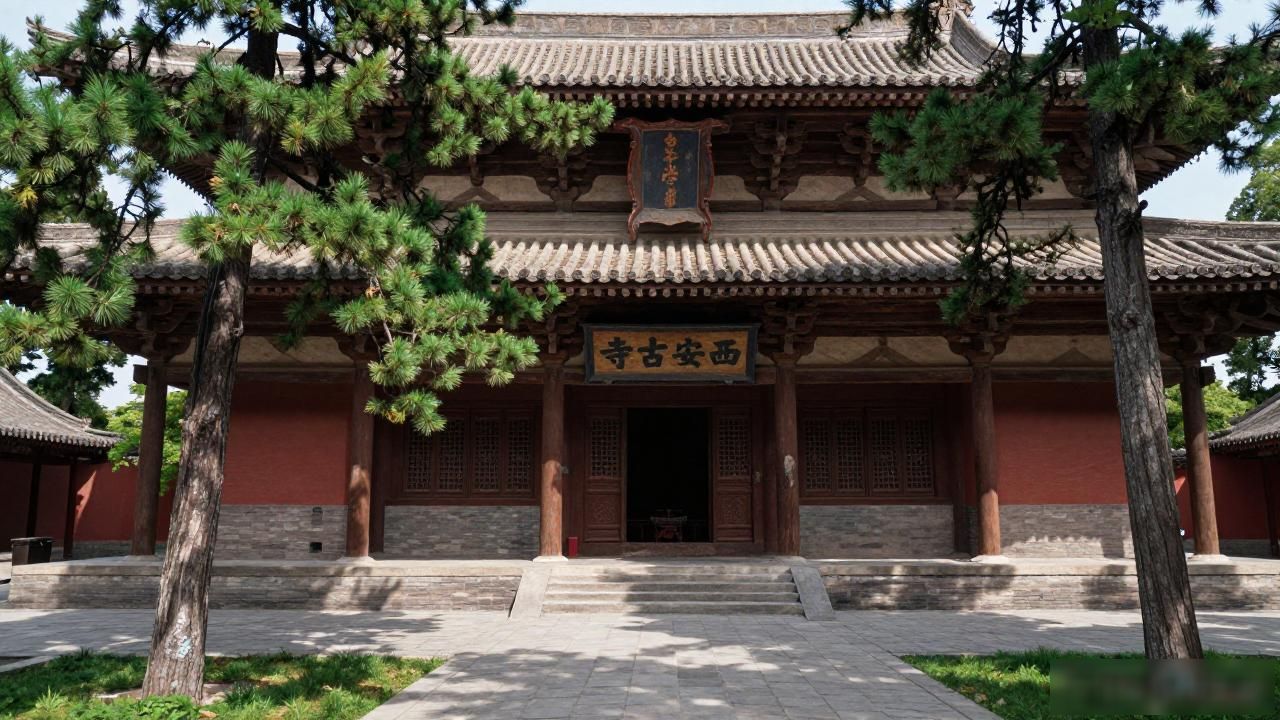
Daci’en Temple stands as Xi’an’s most iconic Buddhist landmark. The towering Giant Wild Goose Pagoda, originally built in 652 AD, houses scriptures and relics that Xuanzang brought back from his legendary journey to India. The temple complex contains stunning murals, bronze Buddhas, and a museum dedicated to Xuanzang’s life and translations. It draws millions of visitors annually and offers a powerful introduction to Chinese Buddhist culture.
Xingjiao Temple, though less crowded, holds extraordinary significance. This monastery in the mountains west of Xi’an is the burial site of the revered monk Daoxuan, founder of the Vinaya school of Chinese Buddhism. The surrounding forest trail leading to the temple is peaceful and beautiful,making the visit feel like a genuine pilgrimage rather than a tourist stop.
Small Wenchang Temple and other neighborhood shrines offer glimpses into folk Buddhist practices that blend with local deity worship. These unassuming sites reveal how Buddhist traditions merged with Chinese spiritual customs over centuries, creating unique devotional practices found nowhere else.
Practical tips for temple visits
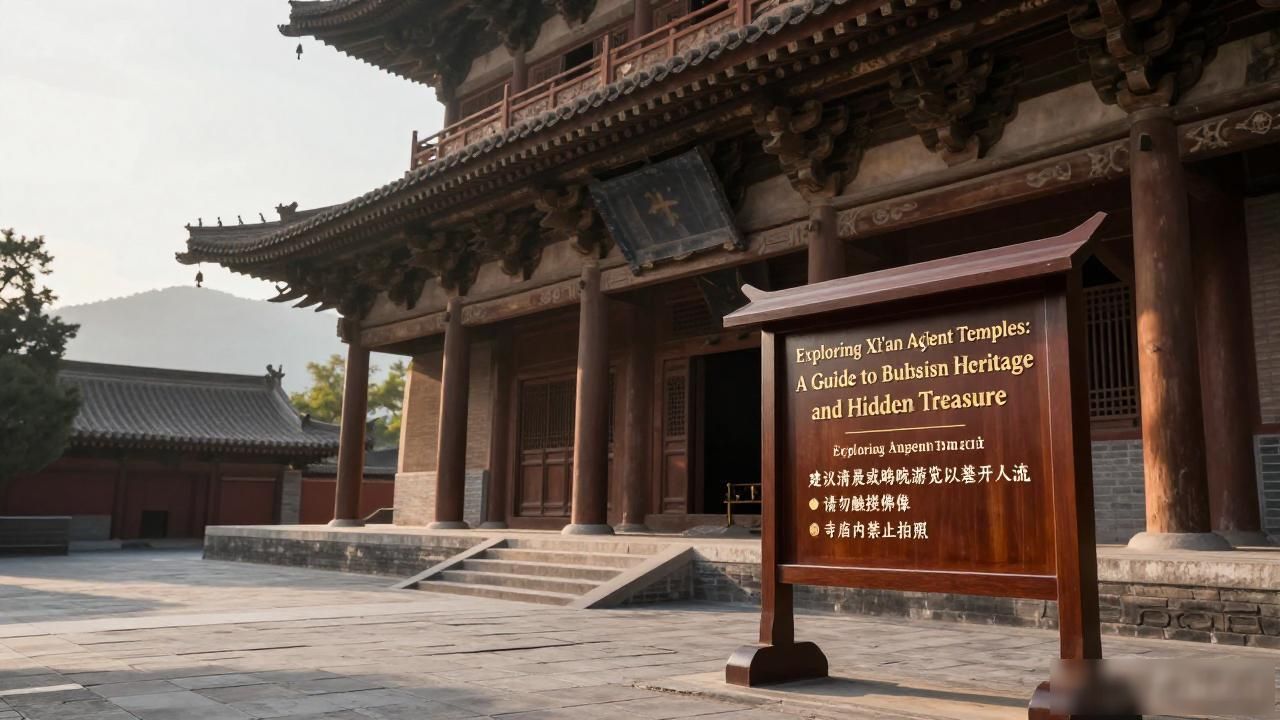
Dress modestly and remove hats before entering temple buildings. Photography inside main halls is often prohibited, and visitors should speak quietly to respect ongoing prayers and meditations. The best times to visit are early morning or late afternoon when the light is soft and the atmosphere is most tranquil. Many temples offer free admission, though donations are appreciated and support the maintenance of these irreplaceable heritage sites.