
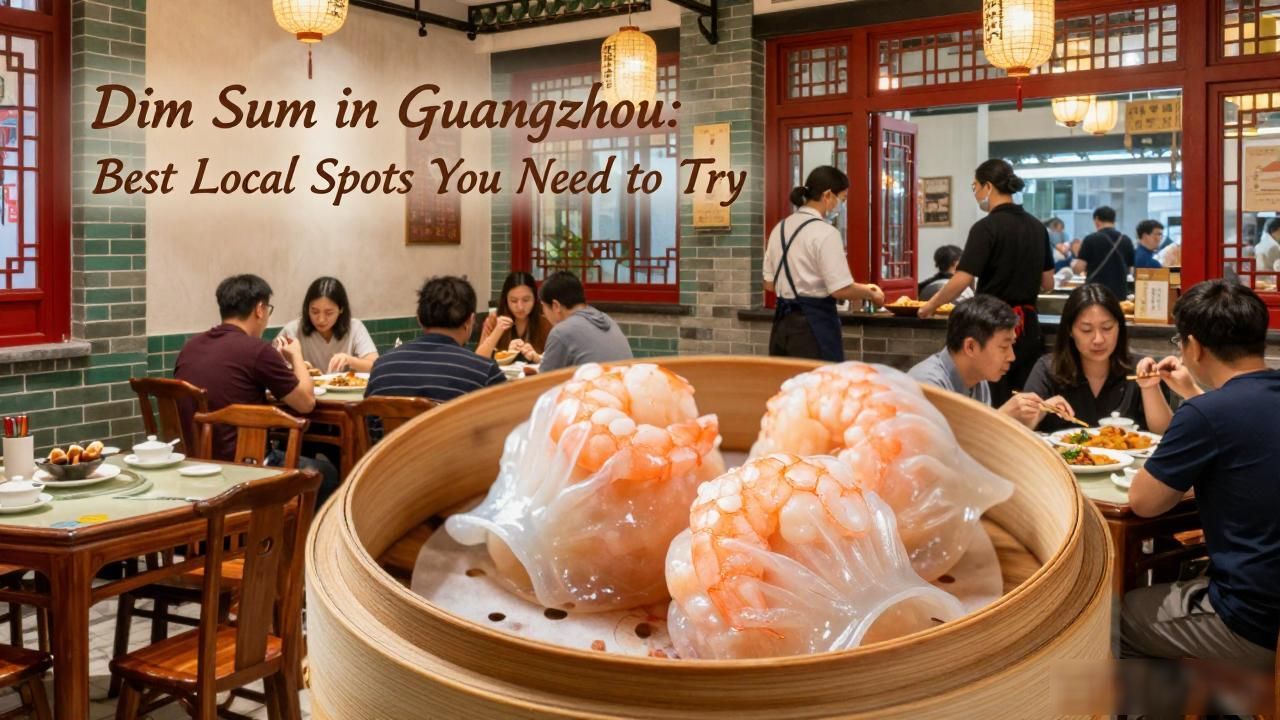
Dim sum in Guangzhou is far more than a meal — it is a ritual,a way of life, and the beating heart of Cantonese food culture. If you have ever wondered what makes this city the undisputed dim sum capital of the world, the answer lies in its relentless pursuit of freshness, craftsmanship, and the joy of sharing small plates around a crowded table. Guangzhou does not serve dim sum. It lives dim sum.
Why Is Dim Sum So Important in Guangzhou Culture
In Guangzhou, dim sum is not an exotic treat reserved for special occasions. It is a daily tradition that stretches across generations. Elderly uncles and aunties gather at teahouses before dawn, business people squeeze in quick morning rounds, and entire families spend lazy weekends navigating trolleys laden with steaming baskets. The city treats yum cha as sacred time — a pause in an otherwise relentless pace of life.

What sets Guangzhou apart from every other city serving dim sum is the sheer depth of its culinary lineage. Cantonese chefs have been refining these dishes for centuries, and the result is a level of precision you will not find elsewhere. The skin on a har gow must be translucent enough to read a newspaper through. The siu mai filling needs that perfect balance of pork and shrimp. Every fold, every steam, every brush of egg wash carries the weight of tradition.
The best dim sum in Guangzhou comes from places that refuse to compromise on ingredients. You will taste the difference immediately — the sweetness of fresh shrimp, the richness of properly rendered pork fat, the delicate snap of perfectly cooked vegetables. This is not food made for speed. It is food made for people who care.
Where Locals Actually Eat Dim Sum
Skip the tourist traps near Beijing Road and head to areas where Guangzhou residents actually eat. Hong Xing Restaurant in Liwan District has been serving the same recipes for decades. Their salted fish congee and charcoal-grilled buns draw queues that stretch out the door by 8 AM. The atmosphere is loud, chaotic, and absolutely perfect.
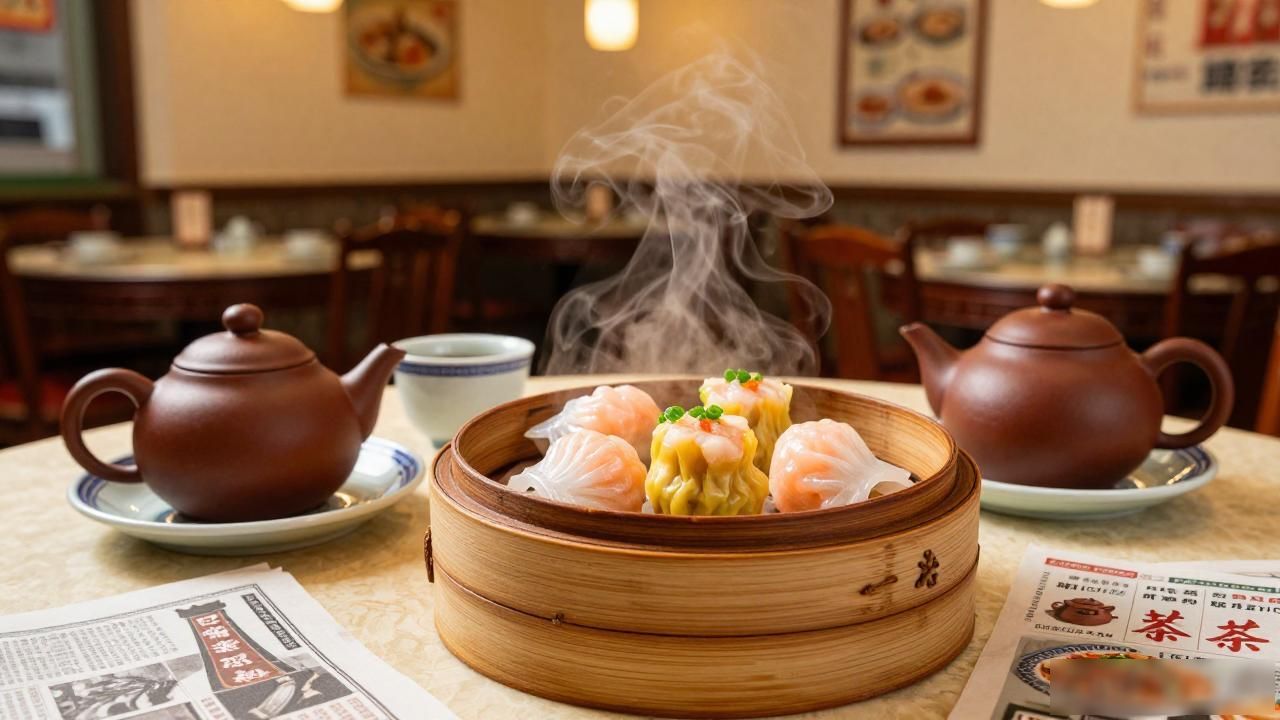
Tai Er Steamed Food in Yuexiu is another local favorite. This no-frills spot focuses on quality over presentation, and the results speak for themselves. Their steamed beef balls are bouncy and juicy, their chicken feet are fall-off-the-bone tender, and their egg tarts have a flaky crust that shatters the moment you bite into it.
For a more refined experience, Gan He Ming Tea House offers a beautiful setting alongside exceptional food. Their abalone siu mai and lobster dumplings are worth the splurge, and the dim sum cart system means you can sample a wide variety without committing to large portions.
What You Should Know Before Trying Dim Sum in Guangzhou
Navigating a Guangzhou dim sum restaurant for the first time can feel overwhelming, but the system is straightforward once you understand it. Most places operate on a trolley system where vendors push carts full of freshly made dishes through the dining room. You point at what you want, and the staff stamps a card or tickets with the price per basket. Some modern restaurants use QR codes on your table instead, but the trolley experience remains the most authentic and enjoyable way to eat.
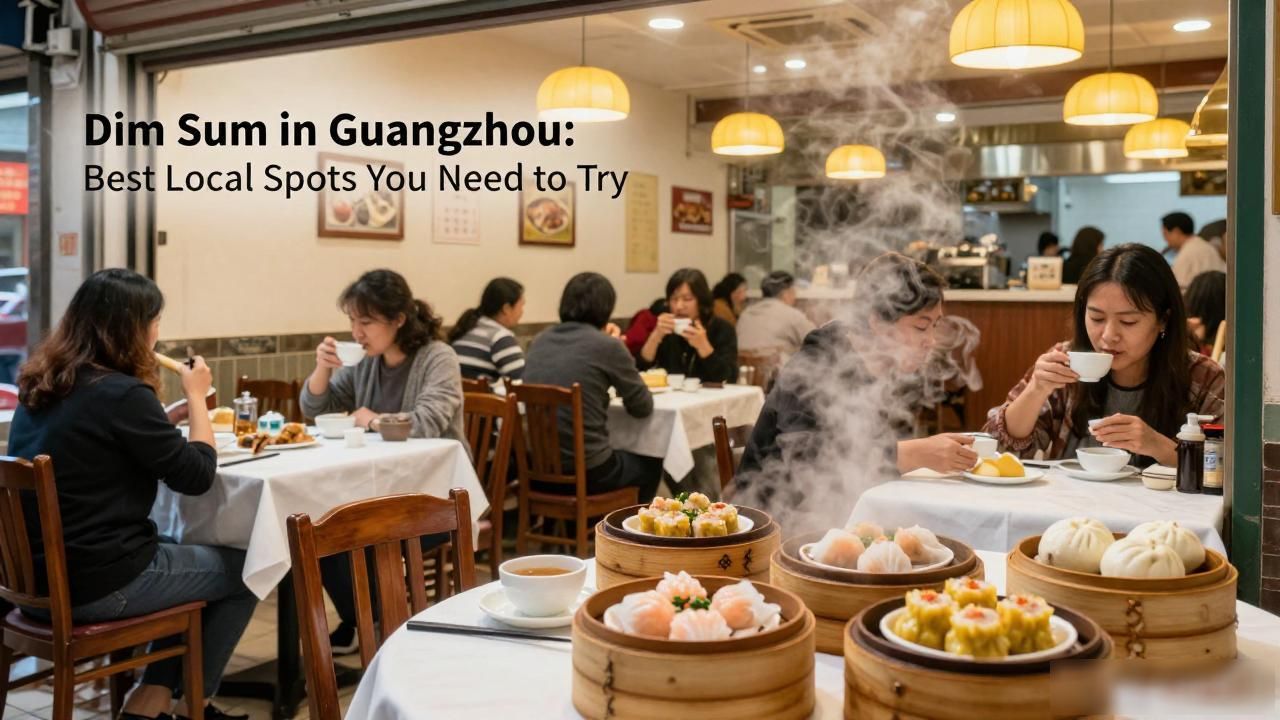
Tip: arrive early. The best dim sum sells out by mid-morning, and popular spots fill up fast. A 7:30 or 8 AM arrival gives you the freshest selection and the best chance of getting a seat without waiting.
Order a variety rather than sticking to familiar names. The real magic of dim sum is in the surprises — the sticky rice dumplings wrapped in lotus leaf, the crispy turnip cakes, the delicate rice noodle rolls filled with just the right amount of shrimp. Ask the staff what is fresh that day. They will be happy to guide you, and their recommendations will always beat any guidebook recommendation.
Drinking tea is not optional. It is essential. The strong pu-erh or jasmine tea served with your dim sum cuts through the richness of the food and prepares your palate for the next bite. Do not skip it. Let the tea do its job.