

Didi China is the dominant ride-hailing app in the country, and for any foreigner trying to get around a Chinese city, it’s basically the only option that works smoothly. Here’s what I’ve learned after months of hopping in cabs through Beijing and Shanghai.
Is Didi China safe to use

The app handles over 200 million users daily, so safety protocols are baked into the platform. Every driver passes a background check, and the ride is tracked in real time. You can share your trip with a contact, and the app logs the entire journey. In practice, I’ve never felt out of place hailing a Didi at one a.m. in a back alley of Xiamen.
That said, you should always verify the driver’s license plate matches the app before getting in. The car model and color show up on your screen. If something feels off,cancel from the app rather than arguing in a language you barely speak. The cancellation fee is negligible compared to the risk of being in the wrong vehicle.
How to pay on Didi China
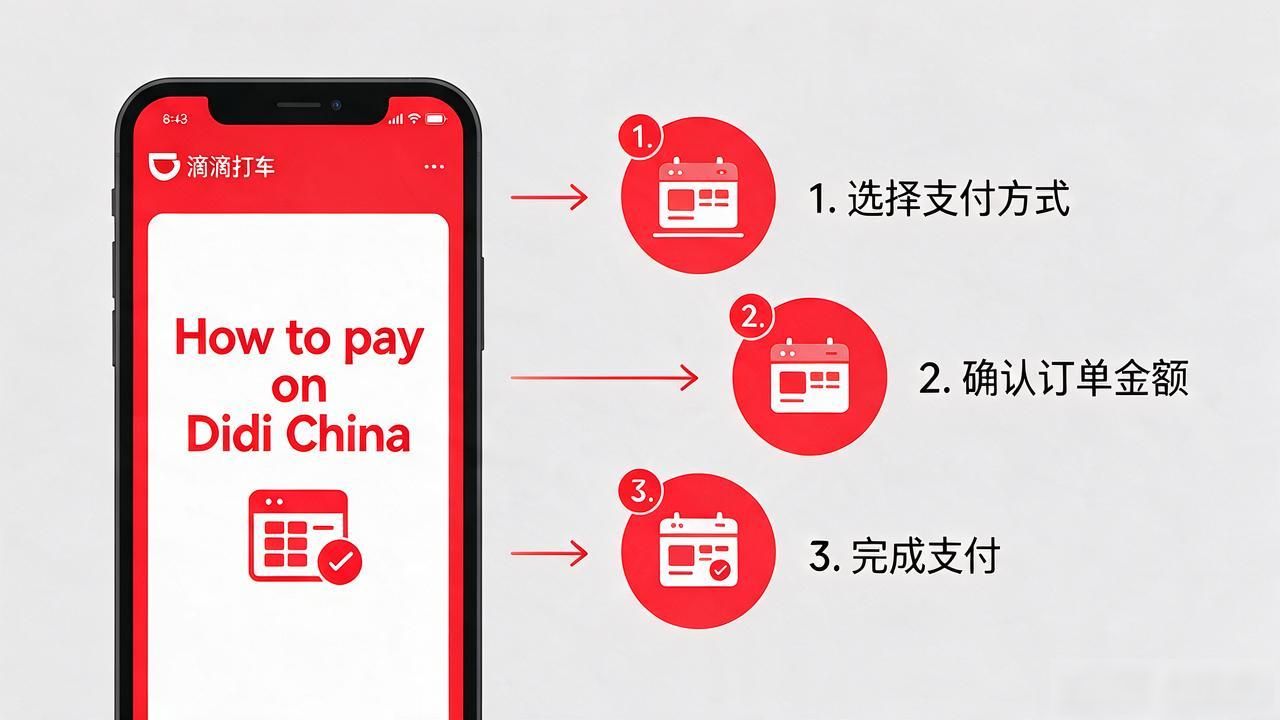
This trips up most visitors. Didi doesn’t take foreign credit cards directly. You need to link Alipay or WeChat Pay, both of which now accept international Visa and Mastercard. The process takes five minutes: open the app, go to Wallet, and bind your card through Alipay’s “Tour Card” feature. Once linked, payment happens automatically when you end the ride. No cash, no awkward exchange-rate math at the door.

If you skip the card setup, you’ll be stuck paying in RMB cash, which is increasingly rare in most cities. I’ve watched a friend in Chengdu sit in a cab for ten minutes because neither of them had WeChat Pay registered. Budget-wise, a ten-kilometer Didi ride in a Tier-1 city runs 25 to 35 RMB, roughly $3.50 to $5. Add tolls if you cross a bridge or highway, and the app handles that transparently.
The learning curve is one afternoon. Download Didi, connect Alipay with your foreign card, and set your pickup point clearly on the map—Chinese drivers follow the pin, not your address in English. Within a week, you’ll forget you’re a foreigner at all. The app is fully in Chinese, but the interface is so visual that icons do ninety percent of the work. A few characters memorized—”shàngchē” for getting in, “xiàchē” for getting out—close the remaining gap. You won’t need a translation app on every single trip.