

If you’ve ever heard that China is a cashless society, Alipay is likely the app responsible for that reputation. As someone who moved to Shanghai for work a few years ago, I quickly learned that navigating daily life here without it would be a painful experience. My initial assumptions were simple: this app would unlock a world of convenience, and it mostly did. But the journey from opening the app to paying a street food vendor taught me that things are more complex than marketing brochures suggest. Understanding where and how Alipay works in China was essential for my survival, and hopefully, it can help you too.
Is Alipay Accepted Everywhere in China
Walking into almost any supermarket in a major city, you’ll find QR code stickers plastered everywhere. Chain stores like Walmart, Carrefour, and local giants like Freshippo all default to Alipay and WeChat Pay. Public transportation in cities like Shanghai, Hangzhou, and Beijing runs smoothly with a scanned QR code. Taxis, ride-hailing apps like Didi, and even some bike-sharing services integrate Alipay directly into their payment flows. Restaurants ranging from high-end spots to small noodle shops commonly display the Alipay logo at the entrance.

That said, you will still encounter places where cash is king. Traditional wet markets and small mom-and-pop stores in older neighborhoods often prefer cash. Street vendors selling grilled corn or roasted sweet potatoes rarely have a QR code stand ready. Rural towns outside tier-one and tier-two cities present a similar challenge, where mobile payment infrastructure hasn’t fully penetrated. Tourist traps in certain historic districts sometimes overcharge card payments to exploit confused foreigners, so being aware of your surroundings matters.
Small vendors are a real-world test of your Alipay skills. In my first week here, I attempted to pay for a bowl of dumplings at a tiny hole-in-the-wall place with nothing but an app on my phone. The owner looked genuinely confused and pointed at the cash box behind her. I ended up borrowing a five-yuan note from a neighboring customer, feeling thoroughly defeated. Those moments, while minor, remind you that Alipay, despite its dominance, does not truly cover every corner of this vast country.
How Foreigners Can Use Alipay in China
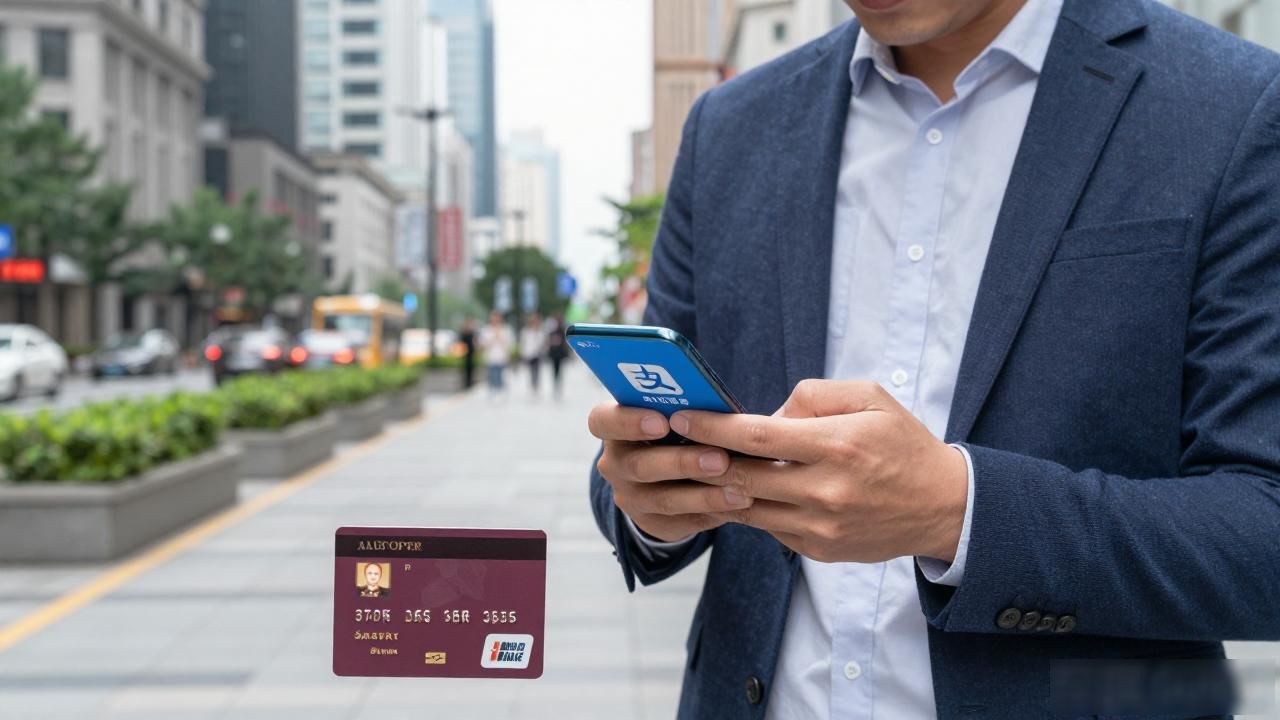
As a foreigner, getting Alipay working requires a bit of upfront effort, but the setup process has become significantly easier over the past few years. You need a valid passport and an internationally issued credit or debit card to register. Visa, Mastercard, and some Discover cards are generally accepted for linking to your account. The KYC process involves photographing your passport and entering personal information, which takes only a few minutes inside the app.
Verification may take up to a couple of days, especially if the system flags your foreign card for additional review. Make sure you verify your account before arriving in China so you aren’t scrambling for a working payment method upon landing. Once verified, you can add your domestic bank card and start making payments right away. Many travelers also link their home-country cards for added flexibility.
Currency conversion happens automatically at the point of sale, and Alipay typically offers competitive exchange rates compared to local banks. Some users report occasional surcharges on certain transactions, though this is rare for standard purchases. Keep in mind that international cards linked to Alipay may face fees from your home bank, so check with your financial institution beforehand. Being prepared minimizes surprises and lets you focus on enjoying your time in China rather than hunting for an ATM.
Where Alipay Still Falls Short

Despite Alipay’s impressive reach, certain segments of Chinese commerce remain largely offline. Government services, hospital registrations, and some utility bill payments often require in-person transactions or dedicated platforms that don’t interface with Alipay. Even in cosmopolitan cities, smaller hotels and guesthouses outside major chains sometimes insist on direct bank transfers or cash payments.
High-value purchases like real estate or luxury vehicles involve complex financial processes that go well beyond a simple QR scan. While Alipay has introduced installment and financing products, these are primarily designed for domestic users with established credit histories. International buyers face substantial hurdles and typically rely on traditional banking channels instead.
Also worth noting is the regional variation in Alipay penetration. Southern cities like Shenzhen and Guangzhou embrace digital payments enthusiastically,while parts of northern and western China move more slowly. If your itinerary includes destinations like Gansu, Qinghai, or remote ethnic minority regions, carrying a reasonable amount of physical yuan remains a wise precaution. Understanding these limitations upfront helps avoid frustration and ensures you won’t find yourself stranded without a way to pay for something as simple as a bus ticket.