
Planning a trip to China can feel overwhelming with so many destinations to choose from. As someone who has designed dozens of itineraries for first-time visitors, I understand the challenge of balancing iconic sights with authentic experiences while navigating logistics. This guide cuts through the noise with practical advice tailored for foreigners seeking an efficient yet enriching journey through Middle Kingdom.
Understanding China’s Travel Landscape

China’s vast geography demands strategic planning. The country spans six time zones, though all official business uses Beijing Time. Most international visitors focus on the golden triangle: Beijing, Xi’an, and Shanghai, supplemented by Guilin’s karst landscapes or Hangzhou’s West Lake. High-speed rail connects major cities efficiently, but domestic flights remain necessary for remote regions like Yunnan or Tibet.
Foreign travelers often underestimate visa requirements and payment systems. China enforces strict visa policies, with e-visas now available for eligible countries. Cashless payments dominate; Alipay and WeChat Pay are essential even in tier-2 cities. Foreign credit cards see limited acceptance outside international hotels and upscale restaurants. Budget 500-800 yuan daily for mid-range travel, excluding luxury accommodations.
Crafting Your Personalized Route

Successful itinerary design hinges on rhythm and recovery days. Structure your trip around 3-4 night stays per city, minimizing hotel changes and packing stress. Beijing demands at least four nights to properly explore the Forbidden City, Temple of Heaven, and Summer Palace without exhaustion. Xi’an requires three nights for the Terracotta Army,Ming City Wall, and Muslim Quarter food tours.
Foreigners often rush through Shanghai, missing its nuanced charm. Dedicate two nights to discover the Bund’s colonial architecture, Xintiandi’s renovated shikumen lanes, and Tianzifang’s artisan workshops. Consider extending your stay in Hangzhou for boat rides on West Lake and tea plantation visits in Longjing village. This slower pace reveals China’s literary and artistic soul beyond commercial facades.
Navigating Cultural Nuances
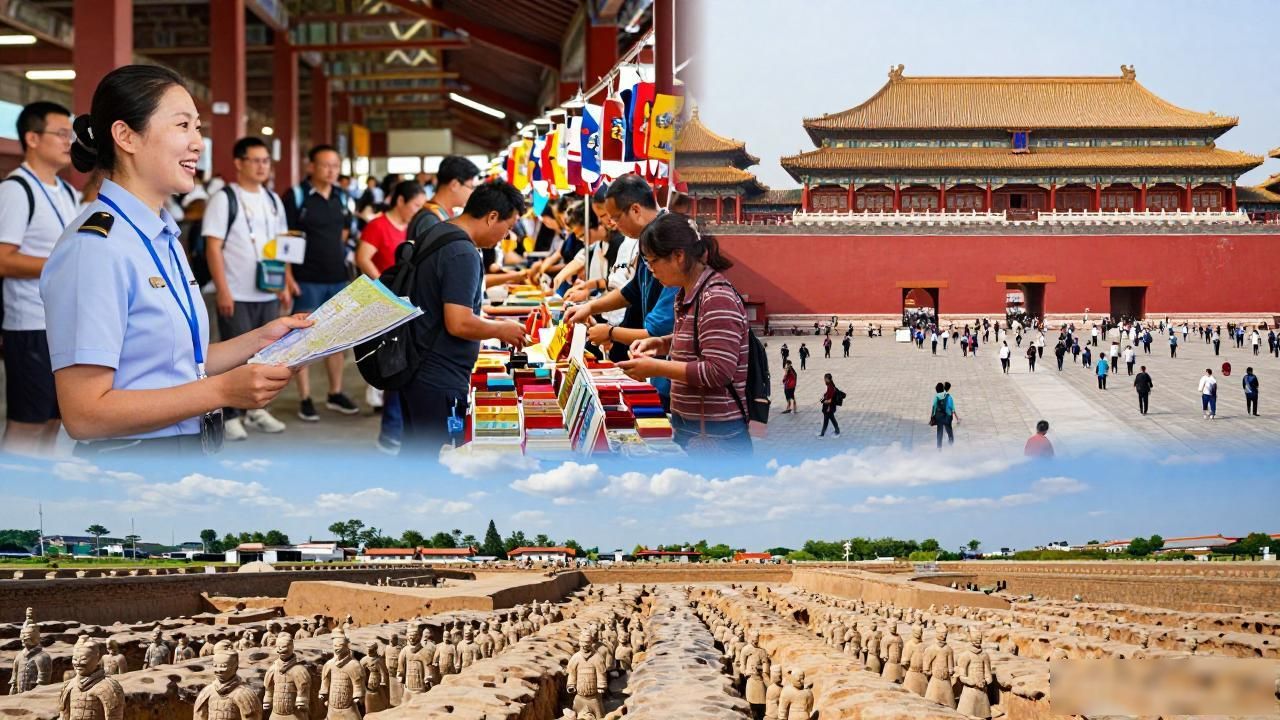
Chinese hospitality operates on different principles than Western service expectations. Tipping remains uncommon and generally unwelcome in restaurants and hotels. When bargaining at markets, maintain polite persistence rather than aggressive negotiation. Chinese tourists frequent popular attractions, creating peak congestion between 9 AM and 5 PM. Schedule museum visits for early morning or late afternoon slots.
Foreign travelers sometimes misinterpret social cues regarding personal space and queue etiquette. Chinese crowds form orderly lines for subway entrances and restaurant reservations, despite apparent chaos. When seeking assistance, approach uniformed staff at visitor centers rather than randomly approaching strangers. This structured approach yields more reliable guidance than improvised interactions. Always carry your passport复印件 for hotel check-ins and tourist attraction verification.