
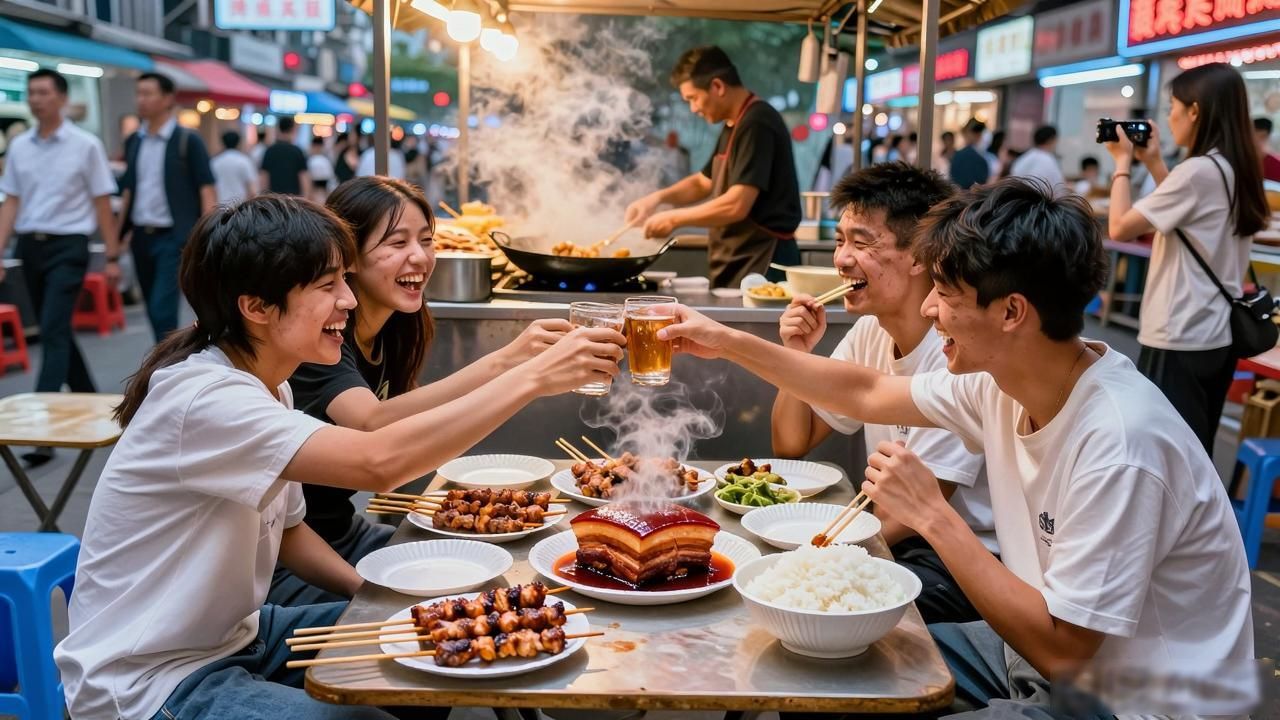
Chinese street food is a world of bold flavors, quick bites, and ancient cooking techniques that still thrive in modern cities. From sizzling skewers to steaming buns,it offers an authentic taste of everyday Chinese life. The best part is that you don’t need a fancy restaurant to eat well—just follow your nose.
What makes Chinese street food so popular
The magic of Chinese street food lies in its freshness and variety. Vendors cook right in front of you, so you see exactly what goes into your food. The smells of garlic, chili, and sesame oil fill the air, pulling in hungry passersby.

One reason it’s so beloved is the price. A full meal from a street stall can cost just a few dollars. Students, office workers, and tourists all crowd around the same carts, sharing the same plastic stools and paper plates. It’s casual, loud, and full of energy.
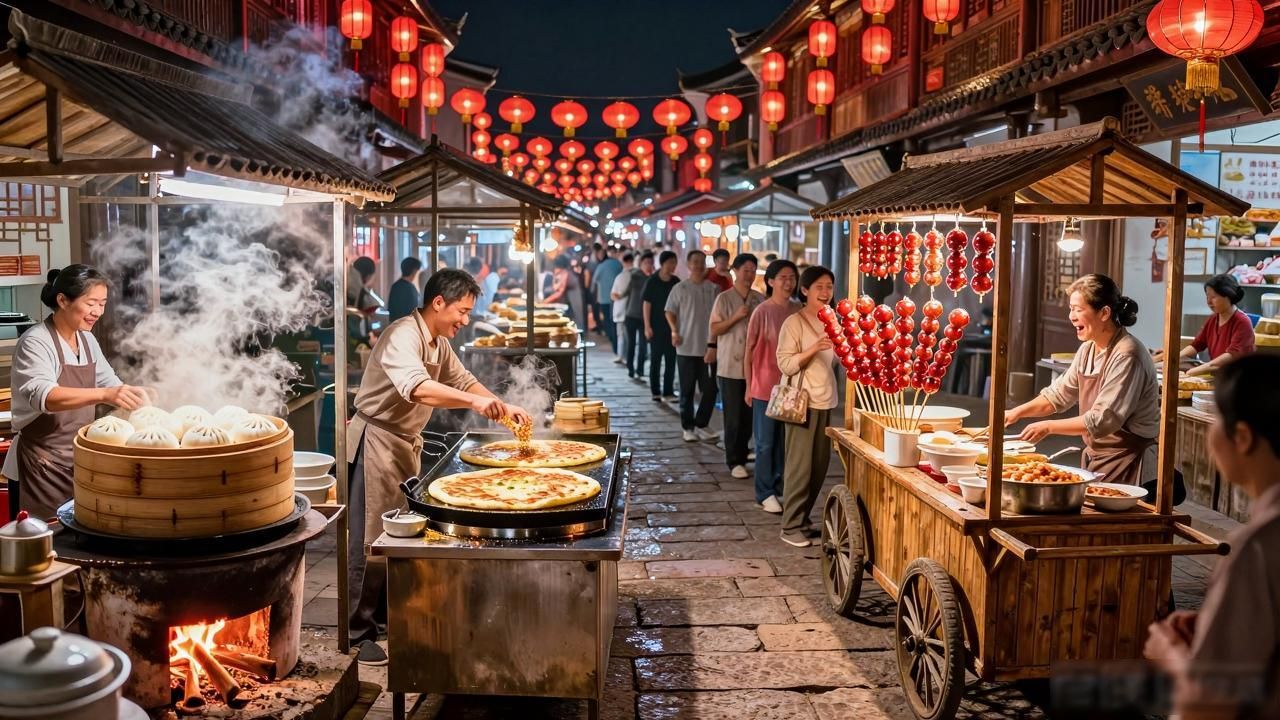
Another factor is regional diversity. In Beijing, you’ll find candied hawthorn sticks and jianbing—a crispy crepe filled with egg and sauce. In Chengdu, the streets smell of numbing Sichuan pepper and hot oil. In Guangzhou, you can grab a bowl of wonton noodles or a sticky rice wrap. Each city has its own signature snack, and locals take pride in their favorites.
Street food also reflects the seasons. In winter, roasted sweet potatoes warm your hands. In summer, cold noodles and sour plum drinks cool you down. Vendors adapt their menus to what’s fresh and what people crave.
How to find the best street food safely
Finding good street food is about paying attention to details. Look for stalls with long lines of local customers. If the crowd is mostly Chinese, that’s a strong sign. Avoid places where food sits out for hours. The best vendors cook in small batches and restock often.
Hygiene matters, but you don’t need to be overly worried. Watch how the vendor handles ingredients. Clean gloves, fresh oil, and a tidy workspace are good signs. In popular food streets, health inspections are common, and repeat customers keep standards high.
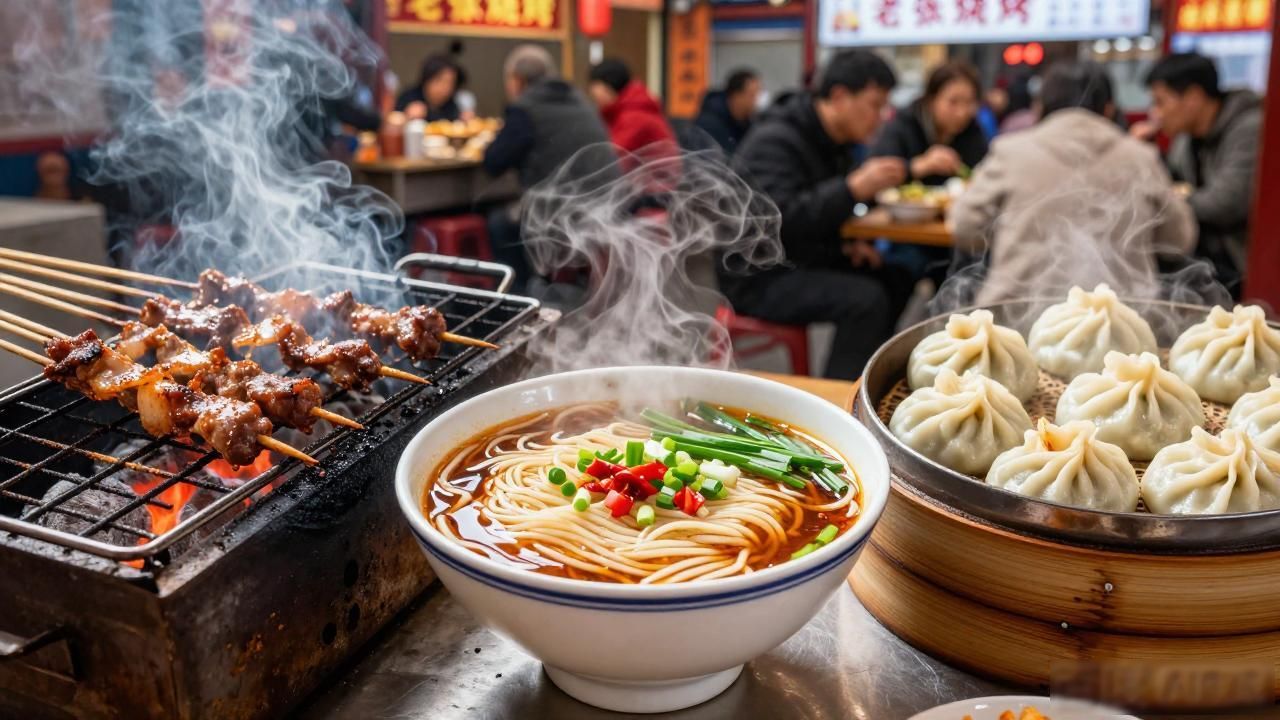
A smart approach is to start with cooked foods. Skewers grilled over charcoal, noodles boiled in hot broth, and dumplings steamed fresh are low-risk choices. Raw items like salads or cut fruits can be riskier unless you see them being prepared right there.
Don’t be shy about asking what’s in a dish. Many vendors speak basic English or can point to pictures. A smile and a point usually work. If you’re unsure, just wait and watch someone else order first. You’ll quickly learn what’s popular.
Chinese street food is an adventure for your taste buds and a window into local culture. It’s messy, noisy, and unforgettable. Grab a skewer, dip it in chili sauce, and enjoy the chaos. That’s where the real flavor lives.