
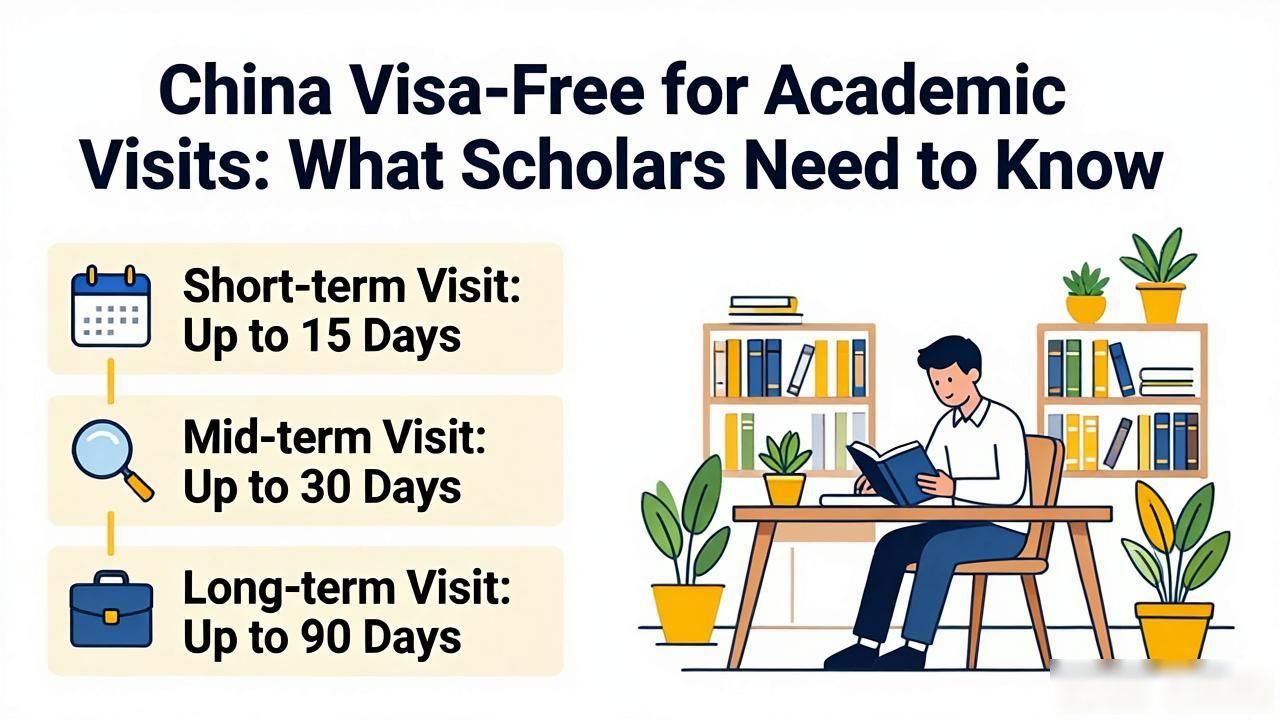
China has recently expanded its visa-free policies to include academic visits, a move that simplifies travel for scholars, researchers, and students seeking short-term academic exchange. This policy eliminates the need for a traditional visa for eligible travelers, provided their stay is for academic purposes like conferences, research collaborations, or lectures. Understanding this policy is crucial for foreign academics who want to save time and avoid bureaucratic hurdles.

How long can you stay under the visa-free academic policy
The visa-free access for academic visits typically allows a stay of up to 15, 30, or even 90 days, depending on the specific agreement between China and your home country. Most eligible scholars can enter without prior visa application, but you must present a valid passport with at least six months of validity and a return ticket. The exact duration varies, so checking the bilateral arrangements or consulting the nearest Chinese embassy is wise. Notably, this policy applies to select nationalities, including citizens from countries like Singapore, Brunei, and Japan for short stays, though academic visits may require additional verification.
What documents do you need for a visa-free academic trip
To travel without a visa for academic visits, you should prepare a formal invitation letter from a Chinese university or research institution. This letter must detail the purpose of your visit, dates, and host contact information. You also need proof of accommodation, travel insurance, and evidence of sufficient funds for your stay. Border officials may ask for these documents upon arrival, so keep printed copies handy. Without these, entry could be denied, even under the visa-free policy. For example, attending a week-long conference at Peking University requires the invitation letter and a confirmed hotel booking.

This policy streamlines entry for genuine academic exchange, but it is not for tourism or employment. Scholars must strictly adhere to the allowed activities and departure deadlines. Violating these terms can lead to future travel bans or fines. As China continues to open its doors for knowledge sharing, this visa-free option saves weeks of paperwork,letting you focus on collaboration. Plan ahead, confirm eligibility, and enjoy a smoother journey to China for your next academic endeavor.