
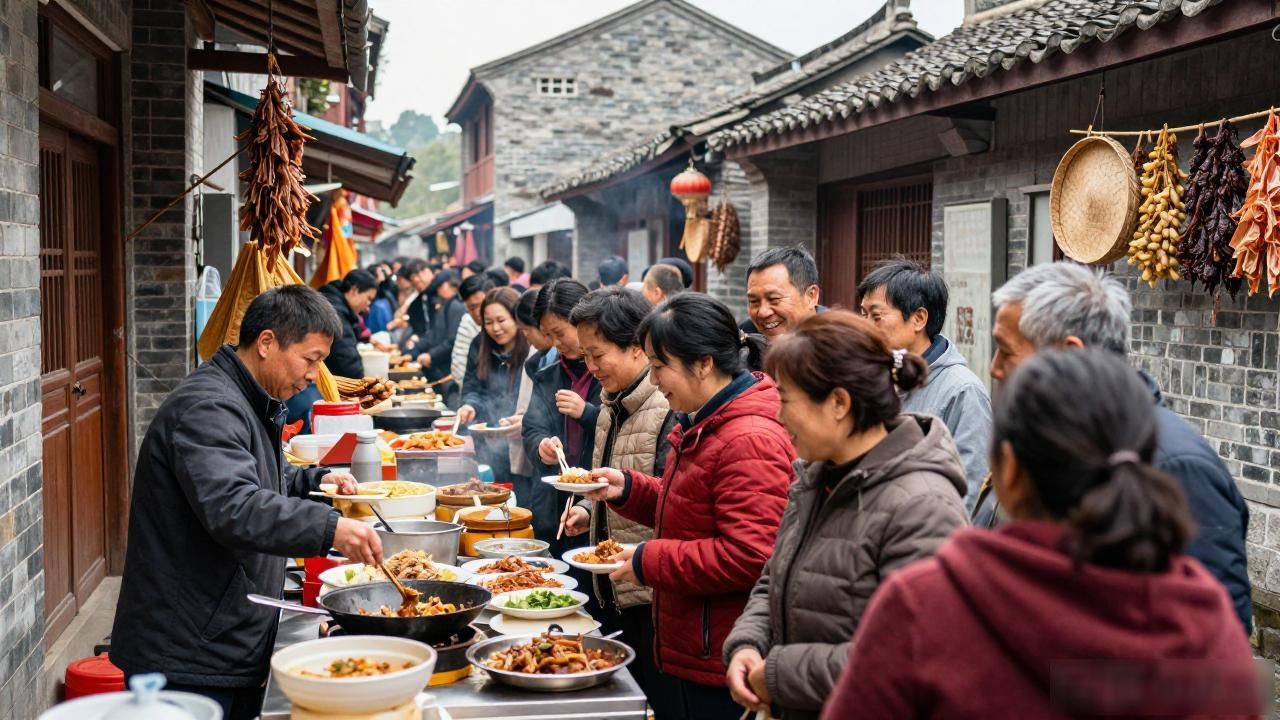
I’ve spent five years eating my way through China, and China food discovery is nothing like a travel vlog. It’s not ordering mapo tofu at a Beijing tourist trap. It’s the auntie at a Guangzhou wet market pressing a cold century egg into your palm and saying “try it, tastes better this way.” That’s where the real thing starts.
How to start China food discovery

The biggest mistake I see visitors make is walking into a restaurant, grabbing a translated menu, and pointing at pictures. You’re already behind the locals who’ve eaten there for twenty years. Find a no-name stall where the queue moves fast and the sign is in dialect. Sit down, point at what the crowd is eating, say liangge — two portions, one for you, one for the stranger beside you. That’s how China food discovery works on the ground. No card, no phone. Just a shared plate and a nod.
In Chengdu I spent three weeks eating only where my host family’s neighbors pointed me. Each meal was a ten-yuan bowl of something I couldn’t name, and that uncertainty was the point. The broth on Tuesday tasted nothing like Thursday — the woman just “used more ginger today, my knees hurt.” You learn to read the kitchen by steam and wok sound,not the menu. By week three I stopped asking the dish name.
Where does China food discovery take you
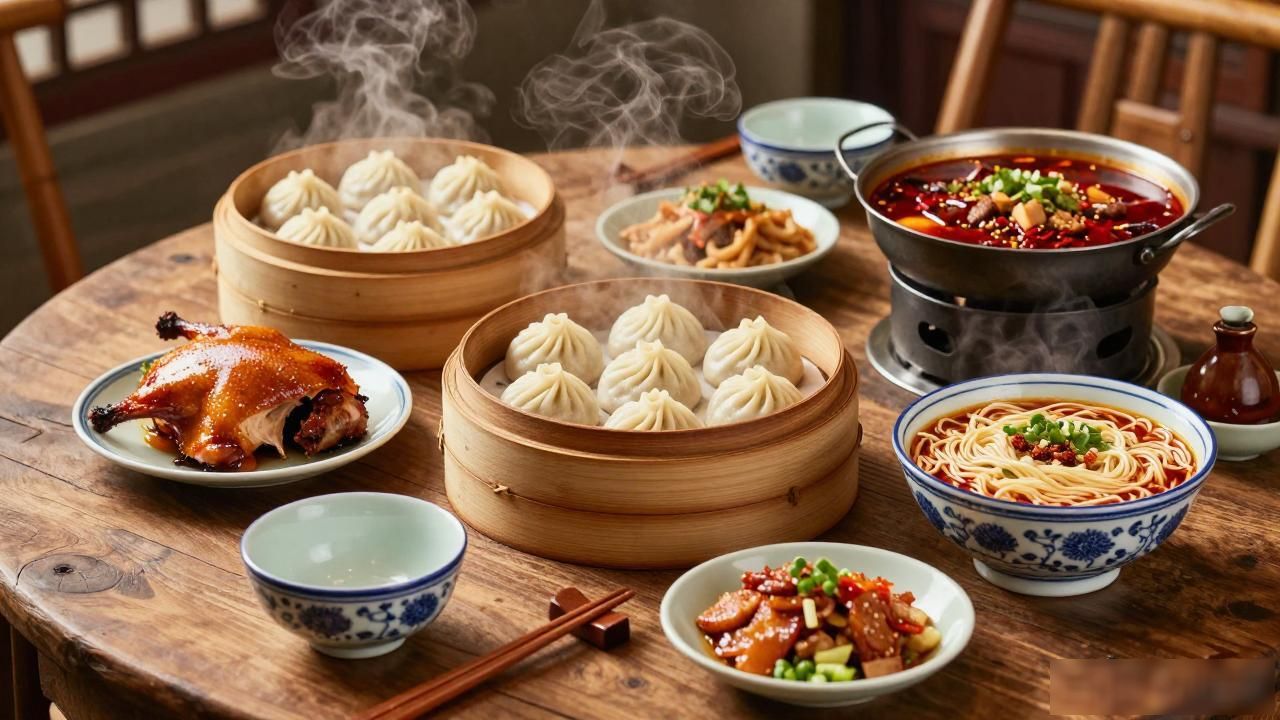
I expected Sichuan fire or Cantonese restraint. What I found was the plain, almost forgotten flavors of rural Hunan — dried chili threads over black rice, a clear soup so thin it barely registered until your second bowl. China food discovery isn’t a destination; it’s a sideways walk. You stop chasing famous dishes and start noticing things nobody posts online, flavors that exist in one kitchen and will vanish when the grandmother dies.
In a village outside Xiangtan, an eighty-year-old man showed me how his family ferments soybeans in cloth sacks hung from a wooden beam. No recipe. No thermometer. Just “when it smells right.” I’ve tried to recreate that smell in London for two years. Still not there. Maybe it’s the water. Maybe it’s just time.
I won’t hand you a list of must-try dishes. Pack your stomach, your curiosity, and a willingness to be wrong about what Chinese food should taste like. The discovery lives in the getting it wrong.