

When people think of Chengdu, they often picture giant pandas and spicy hotpot. But beneath that modern surface lies a city with over 2,300 years of continuous history. Chengdu’s historical sites are not just old buildings—they are living windows into ancient Shu civilization, Three Kingdoms warfare, and Tang Dynasty poetry. For any foreign traveler wanting to understand real China, these places offer something deeper than a guidebook.
What makes Wuhou Shrine a must-visit for history lovers

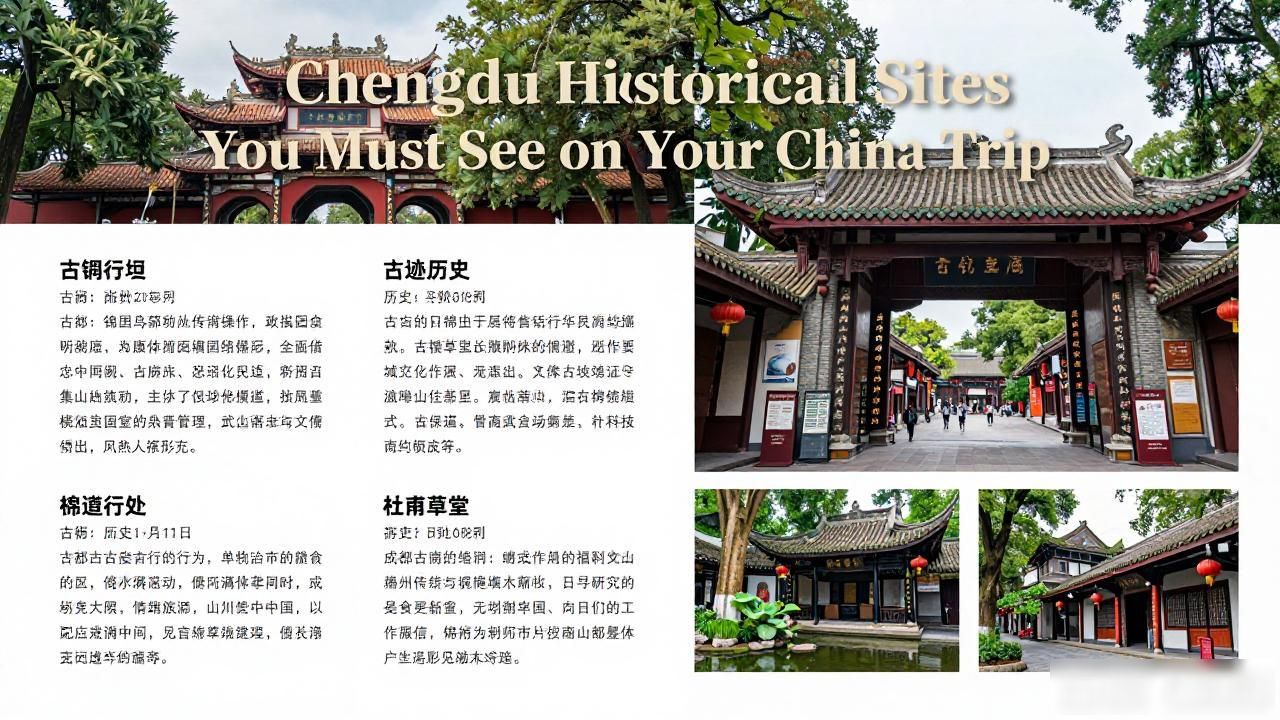
Wuhou Shrine is the most important site in Chengdu dedicated to the Three Kingdoms period. Foreigners may not know Zhuge Liang or Liu Bei by name,but the stories here rival any epic drama. The shrine was first built in the 4th century, and walking through its red walls and cypress trees feels like stepping into a time capsule. The statues of generals and strategists are arranged in precise order, reflecting the strict hierarchy of ancient military command. English explanations are available at most exhibits, so you won’t feel lost. The atmosphere is quiet and respectful, very different from the crowded tourist spots in other Chinese cities. If you have even a passing interest in Chinese history or strategy, this place will leave a strong impression.
How Jinli Ancient Street connects past and present for visitors
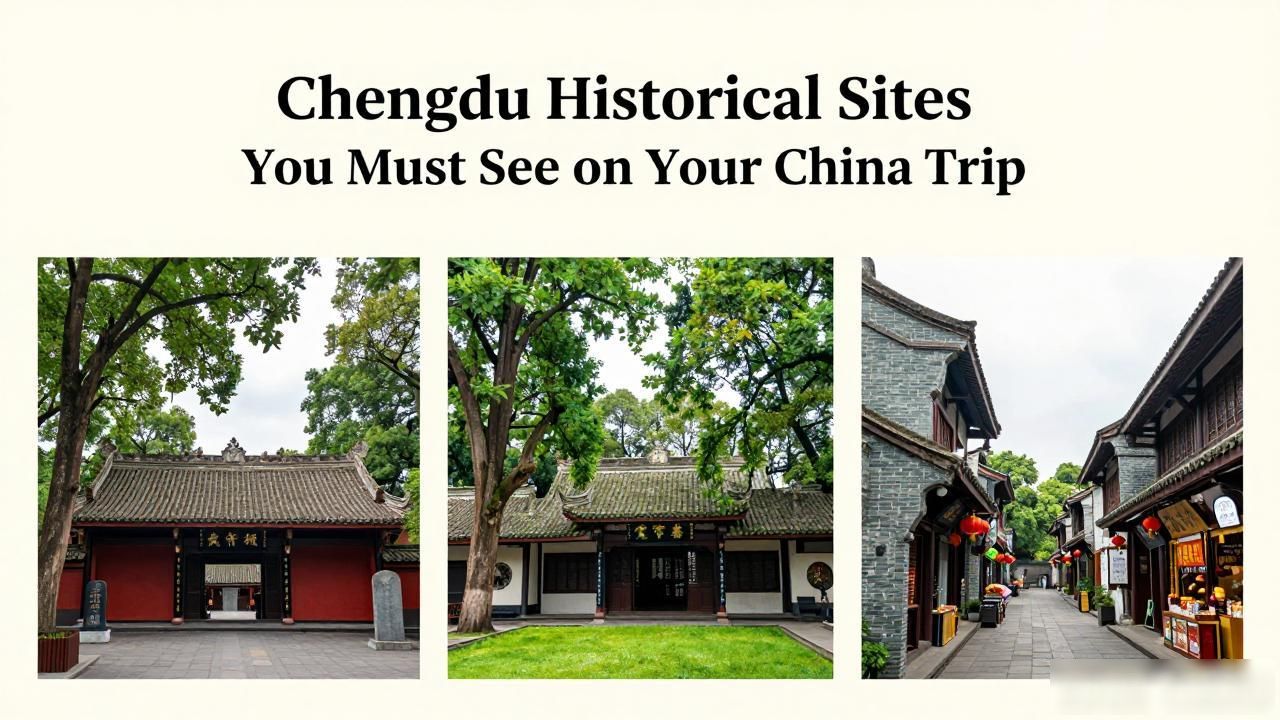
Jinli Ancient Street sits right next to Wuhou Shrine, but it serves a completely different purpose. This pedestrian street was rebuilt in the Qing Dynasty style and is now a lively mix of souvenir shops, street food stalls, and tea houses. Some travelers might think it is too commercial, but I see it as a living museum of everyday life in old Chengdu. The wooden buildings with carved beams and hanging lanterns give you a sense of what a traditional market town looked like. You can watch artisans making sugar paintings or try local snacks like spicy rabbit head. The street gets crowded in the evening, but that energy is part of the experience. For a foreigner, Jinli offers an easy and enjoyable way to feel the pulse of Chengdu’s historical culture without needing a guide.
Why Du Fu Thatched Cottage matters for understanding Chinese poetry
Du Fu Thatched Cottage is not a grand palace or a military fortress. It is a simple bamboo-walled house where the great poet Du Fu lived during the Tang Dynasty. For many Chinese people, Du Fu is as important as Shakespeare is to English speakers. The cottage sits in a quiet park with lotus ponds and winding paths, designed to recreate the peaceful environment that inspired his poetry. Foreign visitors might struggle with the language barrier, but the beauty of the place does not require translation. The calligraphy inscriptions on stone tablets and the ancient trees create a meditative atmosphere. Even if you have never read a single Chinese poem, you can feel the weight of history here. This is a site for contemplation, not for rushing through with a camera.
How to make the most of your visit to these historical sites
Plan at least half a day for Wuhou Shrine and Jinli together, since they are right next to each other. Go early in the morning to avoid the worst crowds, especially on weekends. Du Fu Thatched Cottage is a short taxi ride away, so you can visit it on the same day if you start early. Wear comfortable shoes because you will do a lot of walking on stone paths. Bring a small notebook if you want to jot down impressions—many travelers later regret not recording their thoughts. And do not skip the audio guides; they are worth the small fee for the context they provide. These sites are not just photo opportunities. They are places where you can slow down and let centuries of stories settle into your mind.