
Chengdu is a city where ancient traditions breathe alongside modern life. As the capital of Sichuan province and a UNESCO City of Gastronomy, Chengdu holds deep cultural roots that go far beyond its famous pandas. Its heritage includes millennia-old irrigation systems, unique performing arts, and a spiritual legacy shaped by Taoism and Buddhism. This article explores the most iconic aspects of Chengdu’s cultural heritage and why they still matter today.
What is the most famous cultural heritage in Chengdu

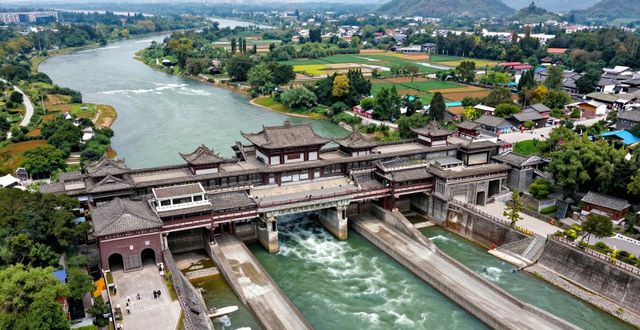
The Dujiangyan Irrigation System stands as the most remarkable cultural heritage in Chengdu. Built over 2,200 years ago during the Qin dynasty, this ancient engineering marvel still controls the Min River and waters the fertile Chengdu Plain. It is not a dam or a modern concrete structure. Instead, it uses natural topography and a clever diversion system that has worked without failure for more than two millennia. This is a living heritage, not a museum piece. Farmers still rely on it today. The system is recognized as a UNESCO World Heritage site, and it represents the brilliance of ancient Chinese hydraulic engineering.
Beyond Dujiangyan, Chengdu’s cultural heritage is deeply tied to the Shu civilization. The Jinsha Site Museum holds thousands of gold, jade, and bronze artifacts from the ancient Shu kingdom, including the famous Sun and Immortal Birds gold ornament. This piece has become a symbol of Chengdu’s cultural identity. Walking through the museum, you can feel a direct connection to a civilization that thrived over 3,000 years ago. These relics show a sophisticated society with advanced craftsmanship and a unique worldview.
Why is Chengdu opera important to Chinese culture
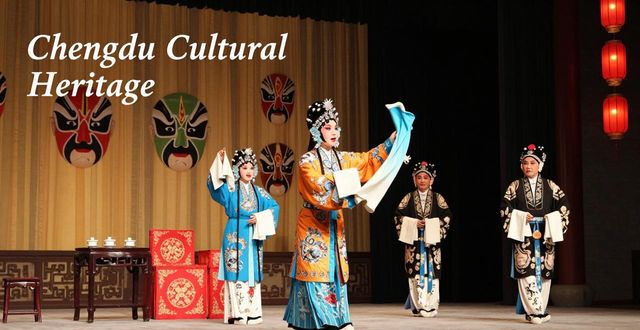
Chengdu opera, or Sichuan opera, is far more than entertainment. It is a living repository of local history, language, and values. The most famous element is face-changing, or Bian Lian, where performers change masks in the blink of an eye. This technique requires years of practice and is a closely guarded secret passed down within families. But the opera also includes fire-spitting, comedic sketches, and acrobatics. Each performance tells stories from Chinese folklore, historical events, or moral lessons.
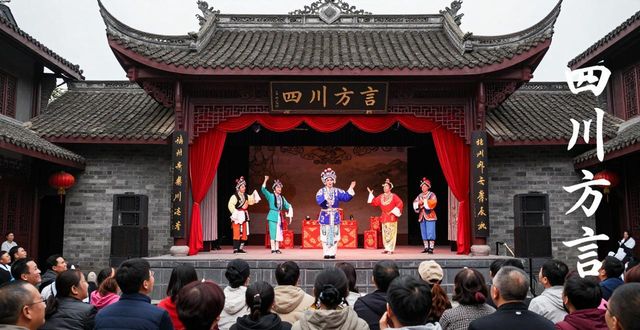
For the people of Chengdu, opera is a shared cultural touchstone. It brings communities together during festivals and celebrations. It preserves the Sichuan dialect, which is distinct from Mandarin and carries its own poetic rhythms. Many young people today are rediscovering Sichuan opera through modern adaptations and social media, which helps keep the tradition alive. This art form is not frozen in time. It evolves while staying rooted in centuries-old techniques and stories.
The cultural heritage of Chengdu is not just about preserving the past. It is about how these ancient practices continue to shape daily life, identity, and creativity. From the flowing waters of Dujiangyan to the shifting masks on a stage, Chengdu offers a rare glimpse into a living tradition that refuses to fade away.