
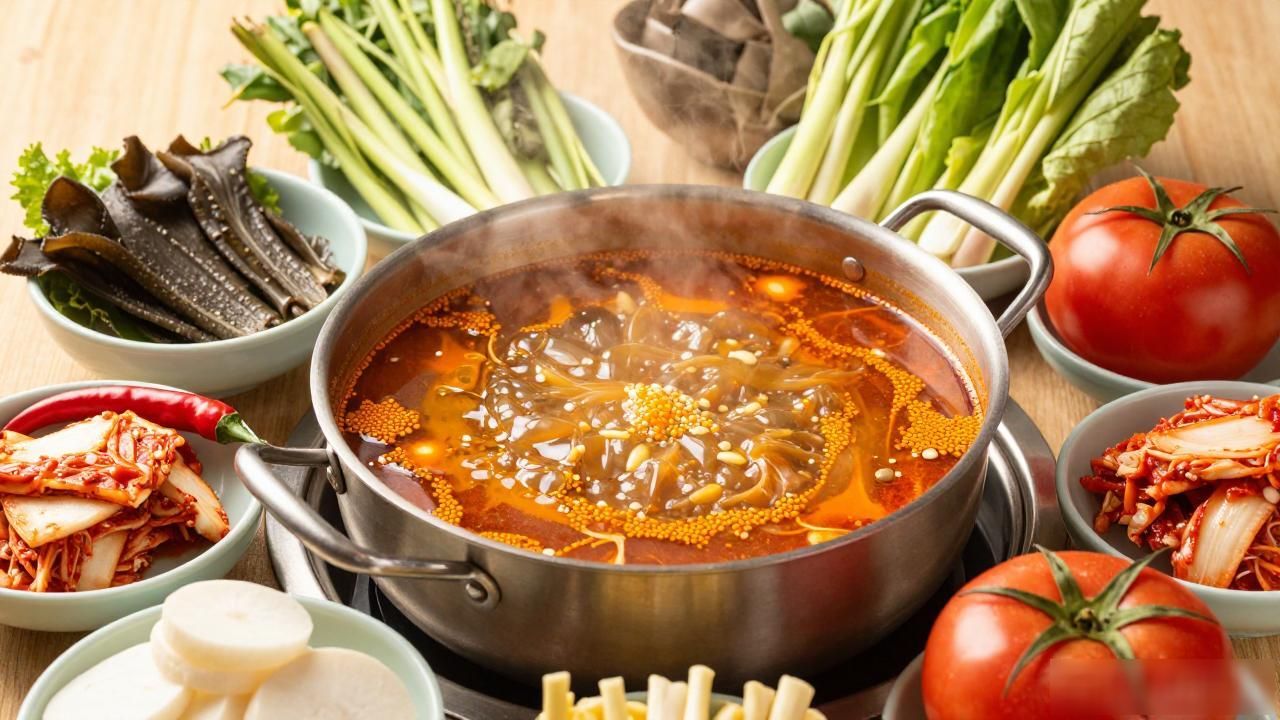
When people think of hot pot, the image of fiery red oil and numbing peppercorns often dominates their mind. However, the world of hot pot bases is far richer and more diverse than just spicy broths. From creamy coconut milk to savory tomato soups, unique hot pot bases offer distinct culinary experiences that cater to different palates and dietary preferences. Understanding these variations can transform a standard dinner into an adventurous gastronomic journey, allowing diners to explore flavors they never knew existed.
What Makes a Hot Pot Base Unique?

The magic of a unique hot pot base lies in its ability to balance flavor profiles while remaining adaptable to various ingredients. Unlike traditional spicy bases that overwhelm the tongue, unique bases often focus on umami, sweetness, or mild acidity. For instance, a crab roe broth provides a rich, briny depth that enhances seafood without masking its natural taste. This complexity invites diners to savor each bite rather than just enduring heat.
Another key factor is the cultural inspiration behind the base. Many modern restaurants are fusionizing traditional recipes with local ingredients. A Miso miso broth, for example, brings Japanese fermented soybean flavors into the communal hot pot setting. It offers a gentle, earthy taste that pairs exceptionally well with tofu and leafy greens. Such innovations make hot pot accessible to those who might find traditional Sichuan spice too intense.
How to Choose the Right Unique Base for Your Meal
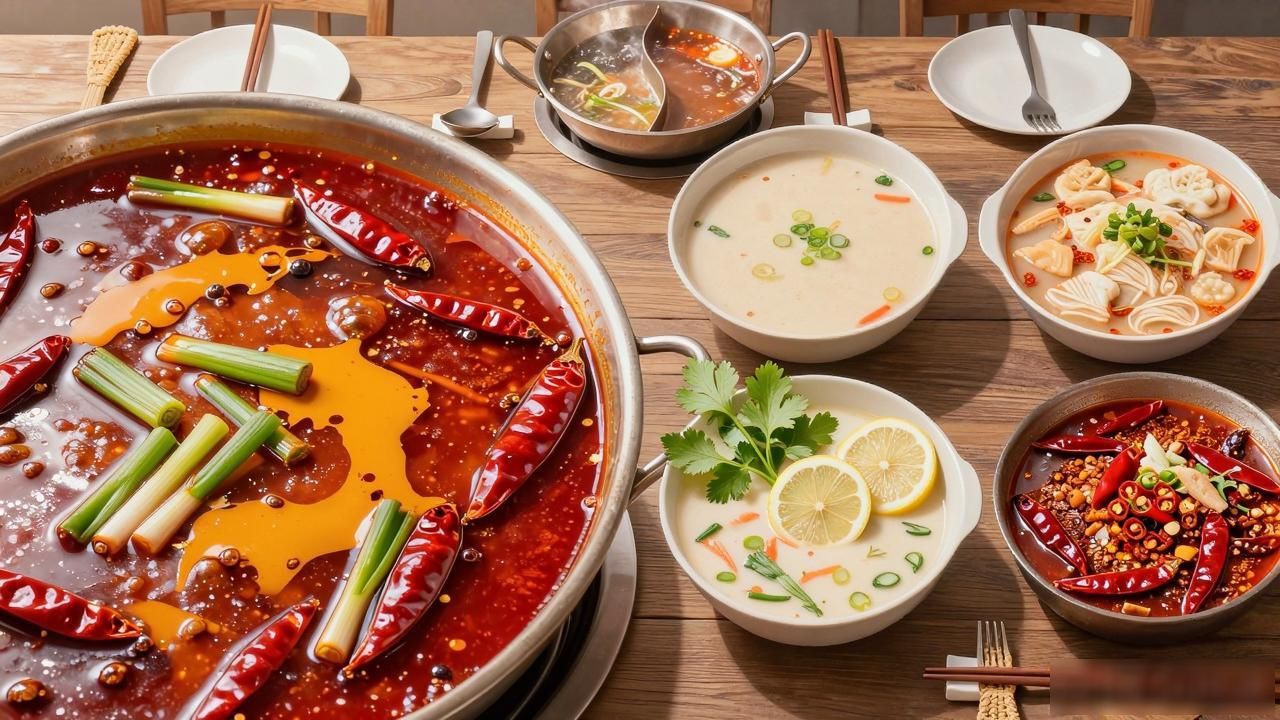
Selecting the right base depends heavily on the company you keep and the ingredients you plan to cook. If you are hosting a group with mixed preferences, opting for a split pot with one mild unique base and one classic spicy base is wise. This ensures everyone finds something enjoyable. A tomato basil broth serves as an excellent neutral option, offering a tangy sweetness that appeals to both children and adults.
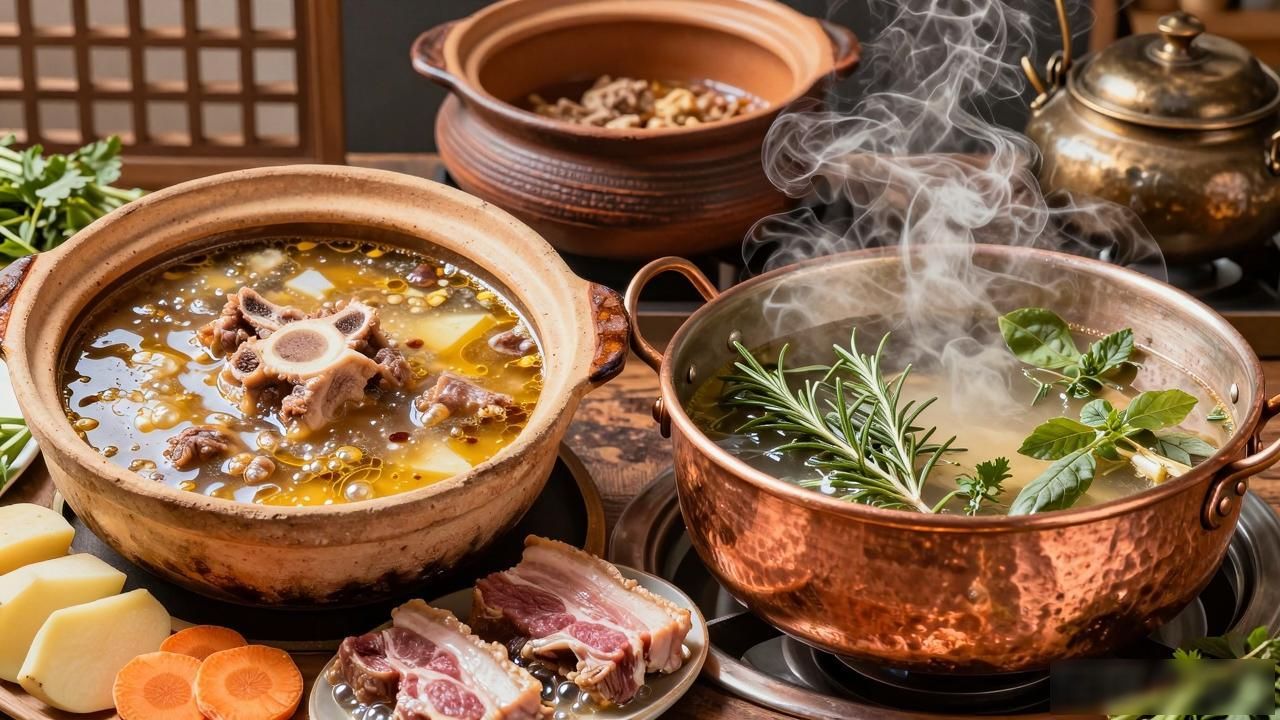
Consider also the cooking duration and texture. Some unique bases,like bone marrow soup, require longer simmering times to develop their full flavor profile. These bases are best suited for slow-cooked meats and root vegetables. On the other hand, lighter bases such as herbal chicken stock are perfect for quick-cooking items like thinly sliced beef and fish balls. Being mindful of these pairings ensures that the food complements the soup, creating a harmonious dining experience that highlights the uniqueness of the base.