
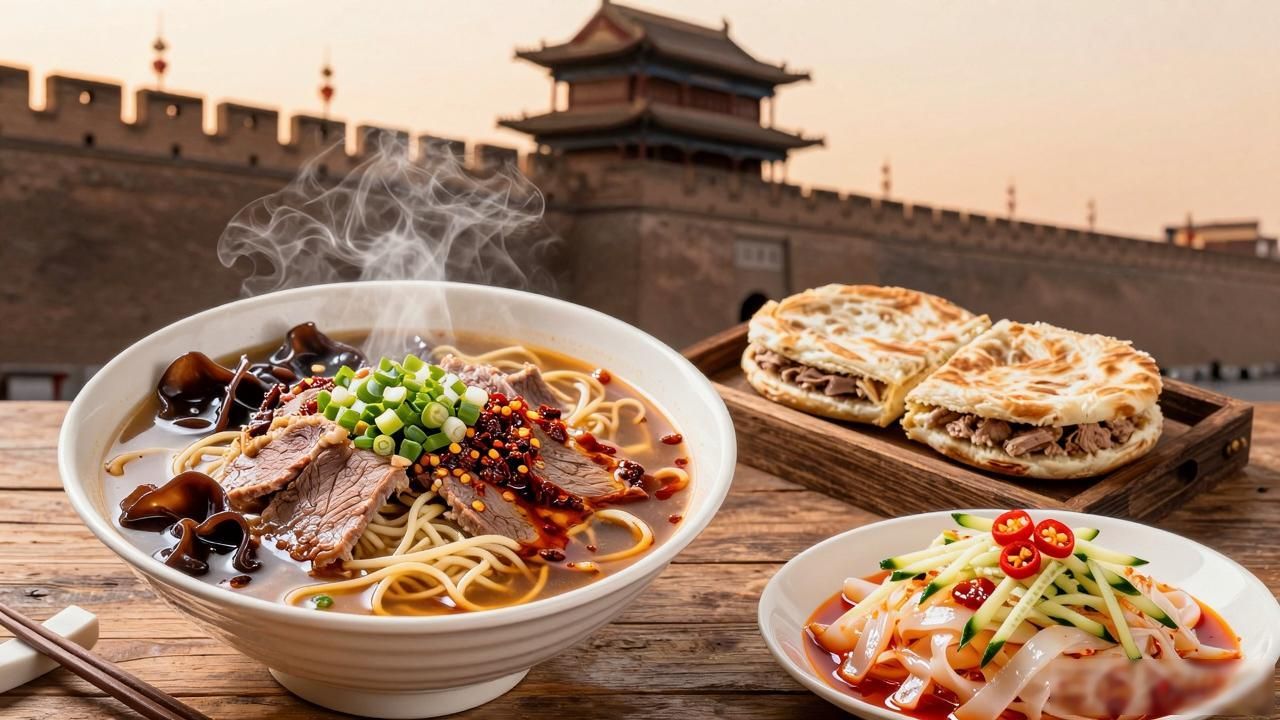
Xi’an is not just a historical capital of China—it is also a living museum of flavor. The food here tells stories of the Silk Road, imperial courts, and centuries of cultural exchange. For foreign travelers, tasting Xi’an’s street food is a way to connect with its past and present.
What makes Xi’an food truly unique

The city’s culinary identity is shaped by its geography and history. As the eastern terminus of the ancient Silk Road, Xi’an absorbed spices, cooking techniques, and ingredients from Central Asia and the Middle East. This fusion created dishes you won’t find anywhere else in China.
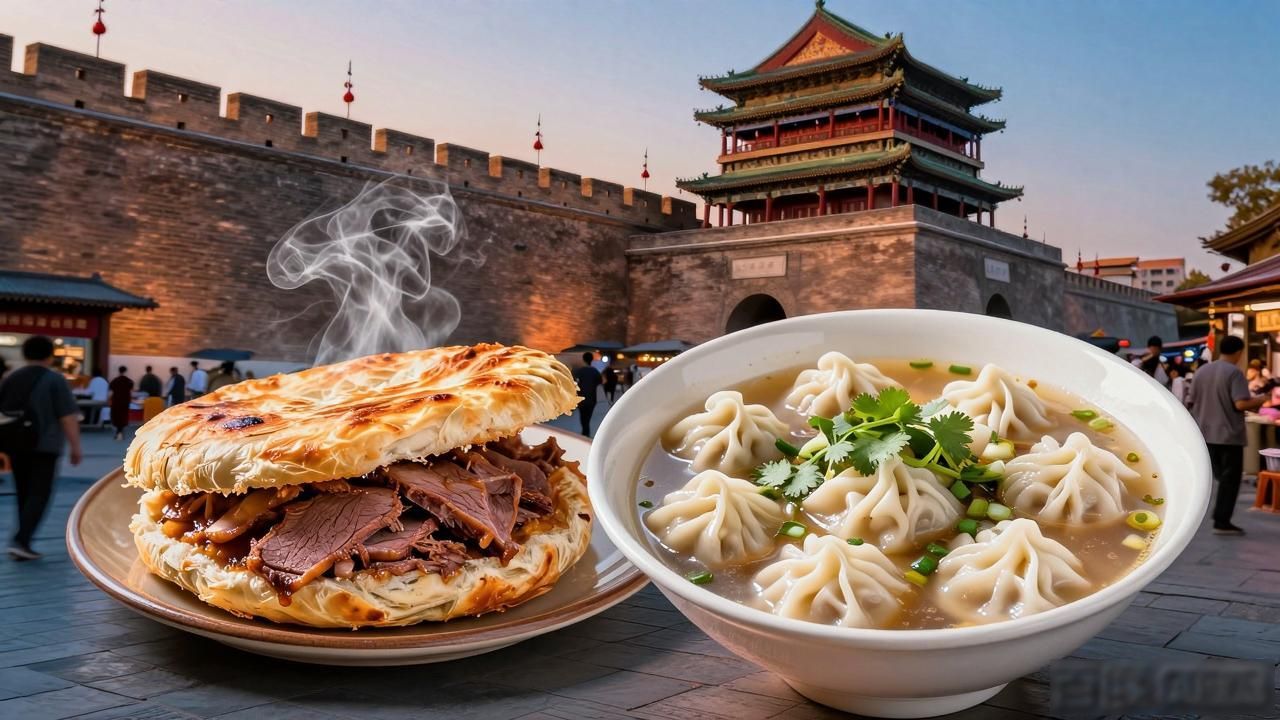
Take yangrou paomo, for example. This hearty lamb soup with crumbled flatbread is a symbol of Xi’an. The bread is torn by hand into tiny pieces, then simmered in rich broth with tender lamb and vermicelli. Locals eat it slowly, savoring every spoonful. The dish reflects the region’s Muslim heritage and the communal way of eating that still thrives today.
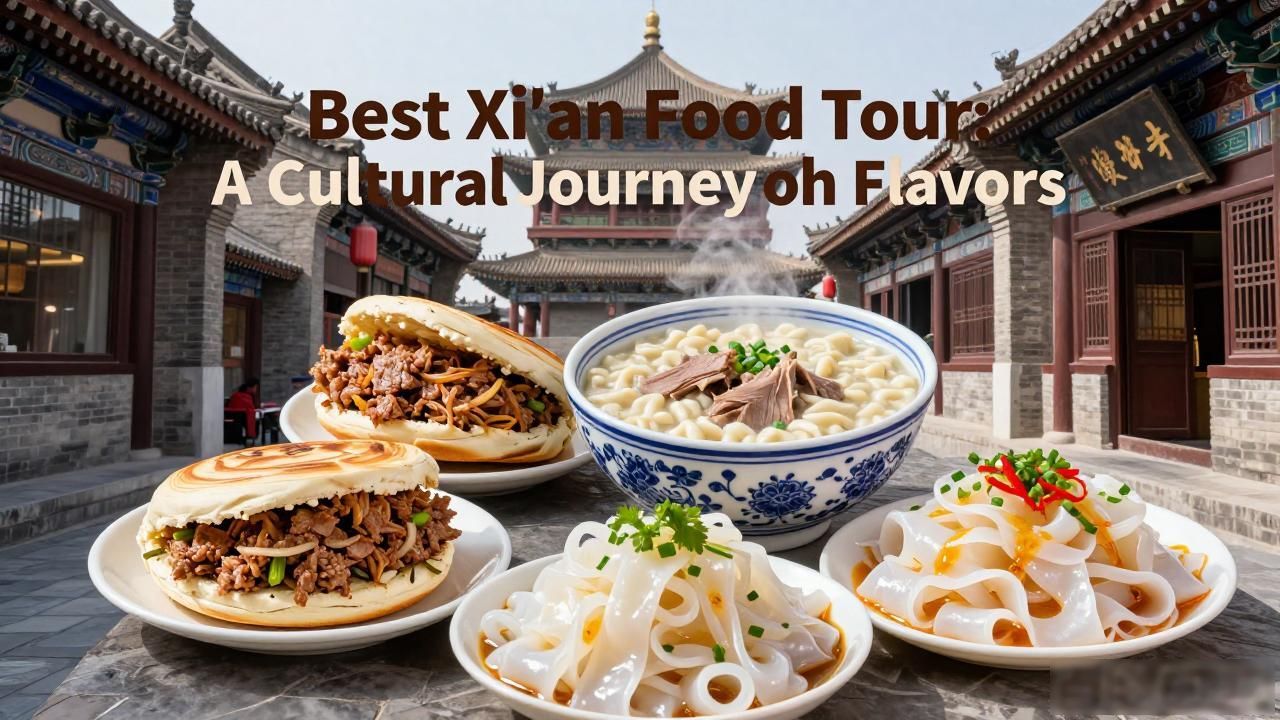
Another must-try is biangbiang noodles, named for the sound the noodles make when slapped against the counter. These wide, hand-pulled noodles are served with chili oil, garlic, and vegetables. The name itself is a cultural artifact—the character for “biang” is one of the most complex in Chinese, created just for this dish.
How to experience Xi’an food like a local
To truly understand Xi’an’s food culture, skip the fancy restaurants and head to the Muslim Quarter. This bustling neighborhood near the Drum Tower is filled with food stalls and small eateries. The air smells of cumin, lamb skewers, and sizzling oil. It’s chaotic,loud, and unforgettable.
Start with a skewer of lamb from a street vendor. Watch as the meat is grilled over charcoal, seasoned with cumin and chili powder. Then try a bowl of liangpi, cold skin noodles tossed in vinegar and chili sauce. For dessert, grab a piece of persimmon cake, sweet and chewy.
Don’t forget to drink a cup of eight treasure tea, a sweet blend of dried fruits, nuts, and herbs. It’s often served in a covered glass, and the shopkeeper will refill it with hot water as you sip. This tea ritual is a quiet pause in the middle of a sensory journey.
Xi’an’s food is more than just sustenance. It’s a map of trade routes, a record of migration, and a celebration of everyday life. For any traveler, eating your way through this city is the most direct path to understanding its soul.