
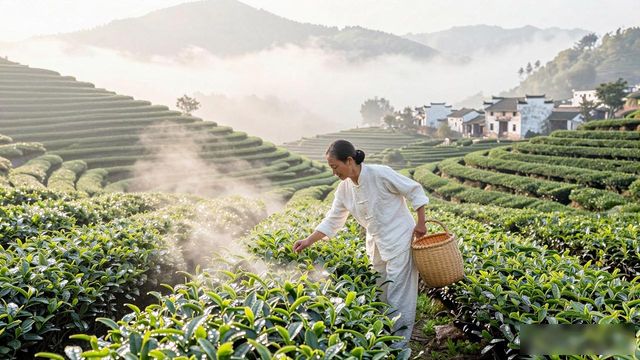
Hangzhou tea culture is more than just drinking tea—it’s a way of life deeply rooted in the city’s history, landscape, and daily rituals. Known worldwide for its Longjing (Dragon Well) tea, Hangzhou offers visitors a chance to step into centuries-old traditions, taste some of the finest green tea on earth, and explore scenic tea villages that feel untouched by time. Whether you’re a casual tea drinker or a devoted connoisseur, understanding Hangzhou tea culture will transform your trip into something truly memorable.
What makes Longjing tea so special in Hangzhou tea culture

Longjing tea is the heart and soul of Hangzhou tea culture. Grown mainly in the hills around West Lake, this famous green tea is prized for its flat, smooth leaves, emerald color, and a subtle nutty flavor that lingers on the palate. But what really sets it apart is the way it’s made—hand-picked in early spring, then pan-fired in hot woks by skilled artisans who have trained for years. The technique is passed down through generations, and each batch reflects the care and precision of the maker.
When you visit a tea village like Longjing Village or Meijiawu, you can watch this process firsthand. Farmers will show you how the leaves are sorted, roasted, and tested for quality. It’s not just a product; it’s a craft. Drinking a cup of authentic Longjing in Hangzhou means tasting the soil, the weather, and the hands that made it. This connection between people and nature is what makes Hangzhou tea culture so compelling. You can also join a tea-tasting session where experts teach you to identify the grade of the tea by its leaf shape, color, and aroma. These experiences go beyond tourism—they help you understand why locals treat tea with such respect.
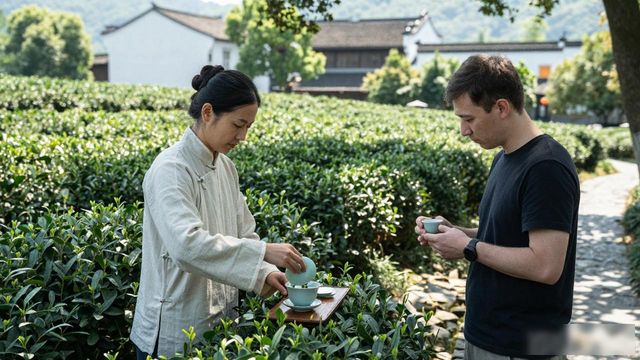
How to experience traditional tea ceremonies in Hangzhou as a foreign visitor
If you want to go deeper than just sipping tea,a traditional tea ceremony is the perfect entry point into Hangzhou tea culture. These ceremonies are not overly formal or stiff, unlike what you might imagine. Instead, they focus on mindfulness, hospitality, and the joy of sharing a simple moment. Many tea houses around West Lake and in the hills offer short, friendly sessions designed for international travelers who are new to Chinese tea customs.
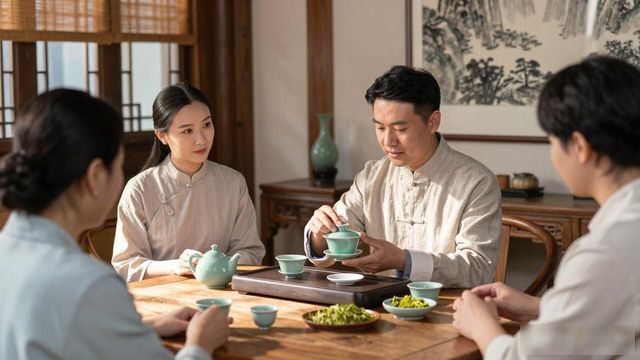
During a typical ceremony, you’ll learn the proper way to hold a gaiwan (a lidded bowl), how to pour water at the right temperature, and how to smell the leaves before the first steep. The host will explain each step in plain English and often share stories about the tea’s origin. Some tea houses even let you grind your own tea leaves with a stone mill. This hands-on approach makes the experience feel personal and relaxed. Don’t worry about making mistakes—locals appreciate your curiosity and will gladly guide you. By the end, you’ll not only have tasted several types of green tea but also gained a genuine appreciation for the slow, thoughtful rhythm of Hangzhou tea culture.
Hangzhou tea culture is an invitation to slow down, taste deeply, and connect with a tradition that has shaped this city for over a thousand years. Whether you walk through terraced tea fields at sunrise, sit in a quiet tea house by a bamboo grove, or simply enjoy a cup of Longjing with a local friend, the experience stays with you long after the last sip. Come with an open mind and an empty cup—Hangzhou will fill both.