

Nanjing is one of China’s most historically significant cities, serving as the capital for six ancient dynasties and the Republic of China. The city’s historical relics offer a rare glimpse into centuries of imperial power, war, and cultural transformation. From towering city walls to solemn memorials, these sites are not just tourist attractions — they are living records of China’s past. If you are planning a trip to Nanjing in 2026, here are the relics that deserve your attention.
What makes Nanjing historical relics worth your time

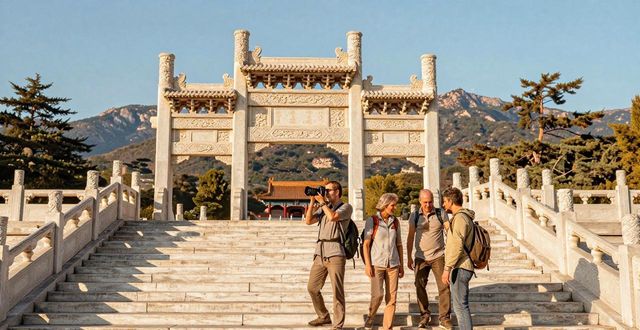
Nanjing’s historical relics stand out because they tell stories that are both grand and personal. The Ming Xiaoling Mausoleum, for example, is the burial site of the Hongwu Emperor, founder of the Ming Dynasty. Walking along the Sacred Way, lined with massive stone animals and warriors, you can feel the scale of imperial ambition. The site is well preserved, and the surrounding Purple Mountain adds a layer of natural beauty that makes the visit more than just a history lesson.
Another must-see is the Nanjing City Wall, one of the longest and best-preserved ancient city walls in the world. Built in the 14th century, it stretches over 35 kilometers. You can walk or bike along sections of it, especially around Zhonghua Gate, where the defensive structure is most impressive. The wall offers panoramic views of the old and new Nanjing, helping you understand how the city has evolved while keeping its roots intact.
The Confucius Temple area, or Fuzi Miao, is another relic that blends history with daily life. While the temple itself is a reconstruction,the surrounding streets have been a cultural hub for centuries. Here, you can see traditional architecture, visit small museums, and even take a boat ride on the Qinhuai River. The area is lively but still retains a historical atmosphere that feels authentic.
Which historical relics in Nanjing are most meaningful for foreign visitors
For foreign visitors who want to understand Nanjing’s modern history, the Nanjing Massacre Memorial Hall is essential. This site is solemn and deeply moving. It documents the atrocities committed by Japanese forces in 1937, with personal testimonies, photographs, and artifacts. The museum does not shy away from the pain, but it also emphasizes peace and reconciliation. Visiting here gives you a deeper appreciation of why Nanjing is so important to the Chinese people.
The Presidential Palace is another relic that appeals to international travelers. It served as the office of Sun Yat-sen and later Chiang Kai-shek during the Republic of China era. The building combines Western and Chinese architectural styles, reflecting a time of political and cultural transition. The gardens are peaceful, and the exhibitions inside explain the complex history of early 20th-century China in English-friendly displays.
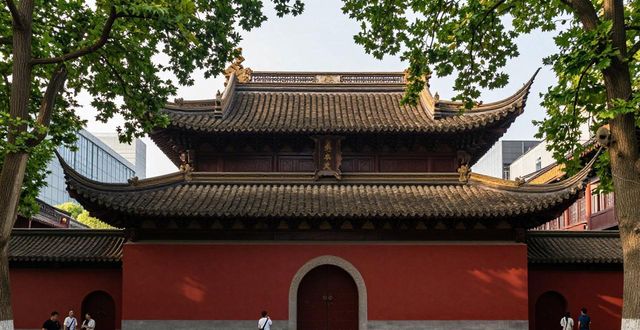
If you prefer something less crowded but equally rich, the Chaotian Palace is worth your time. Originally built in the Ming Dynasty as a royal palace, it now houses the Nanjing Municipal Museum. The collection includes ceramics, jade, and bronze artifacts from various dynasties. The site is quieter than the major attractions, allowing you to explore at your own pace.
Nanjing’s historical relics are not just about looking at old things. They are about connecting with stories that shaped a nation. Whether you are a history buff or a casual traveler, these sites offer experiences that are both educational and emotional. In 2026, Nanjing remains a city where the past and present coexist, waiting for you to discover them.