
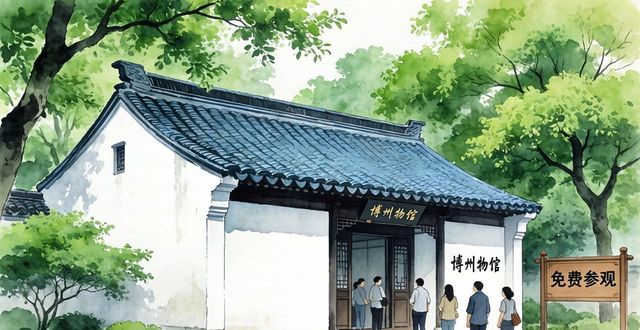
Hangzhou is famous for its West Lake and tea plantations, but its museums offer a quieter, deeper look into Chinese civilization. From ancient silk weaving to modern art, these museums are well-curated, affordable, and often uncrowded. If you are planning a trip to Hangzhou,do not skip these cultural treasures.
How Do Hangzhou Museums Compare to Shanghai or Beijing?

Hangzhou museums are smaller in scale but more focused and intimate, making them perfect for visitors who want to avoid the overwhelming crowds of Beijing’s Forbidden City or Shanghai Museum. The best part is that most Hangzhou museums are free or charge a very small fee, and many are located near the city center or scenic areas like West Lake.
For example, the China National Silk Museum is the largest silk museum in the world, but it feels calm and easy to explore. You can learn about the entire silk-making process, from silkworm to finished garment, and even touch real silk samples. Another standout is the Zhejiang Provincial Museum, which has two main locations. The one near West Lake focuses on local history and artifacts, including ancient celadon ceramics and calligraphy. These museums reflect Hangzhou’s historical role as a trade and culture hub.
If you love modern art, the Zhejiang Art Museum is worth a visit. It hosts rotating exhibitions of contemporary Chinese artists, and the building itself is a work of architecture. Many foreign visitors tell me they prefer these museums because the English labels are usually clear and informative, which makes the experience more enjoyable.
What Should You Know Before Visiting Hangzhou Museums
Before you head out, download a map app like Amap or Baidu Maps because Google Maps does not work well in China. Most museums have free Wi-Fi, but you may need a Chinese phone number to log in. Bring your passport as some museums require it for free entry tickets.
Opening hours are typically from 9:00 AM to 5:00 PM, and most are closed on Mondays. Plan to spend about 1.5 to 2 hours per museum. The museums are generally clean and well-maintained, with restrooms and drinking water available. If you visit during summer, the air conditioning is a relief from the humid heat.
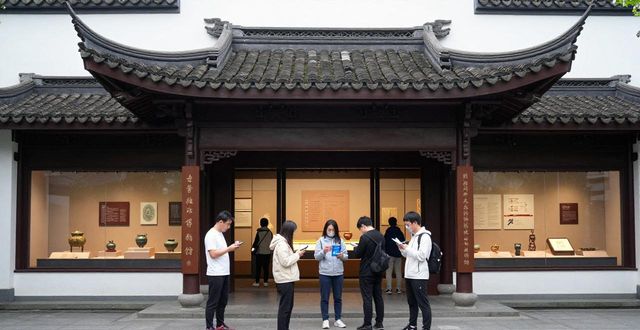
One practical tip: carry small cash or a mobile payment app like Alipay. While many museums accept foreign credit cards, smaller souvenir shops and nearby tea houses often do not. Also, wear comfortable walking shoes because even small museums have multiple floors and exhibitions.
Hangzhou museums give you a genuine, unhurried experience of Chinese art and history. They are not just for experts—they are for anyone curious about the stories behind the porcelain, silk, and paintings that shaped this beautiful city.