
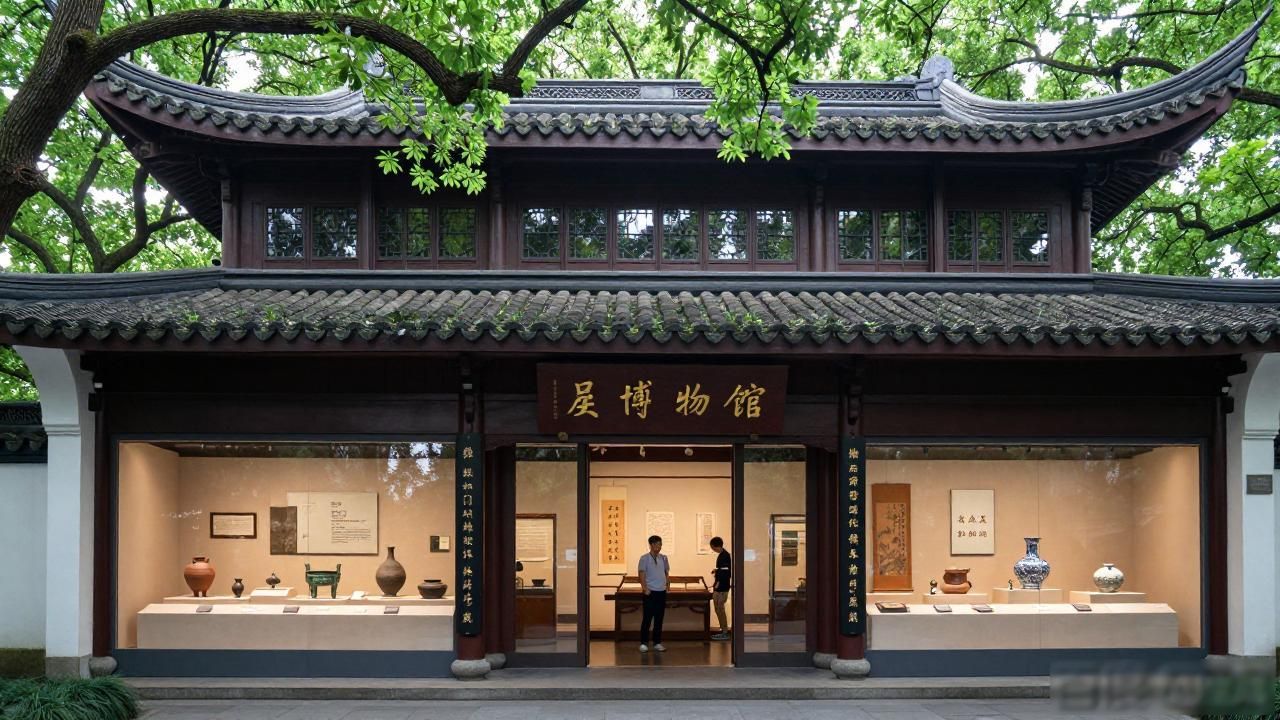
Hangzhou is more than just West Lake and Longjing tea. The city’s museums offer a deep dive into Chinese history, art, and culture that many travelers overlook. Whether you are a history buff or just looking for a rainy-day activity, Hangzhou museums provide fascinating insights into the region’s past and present.
What makes Hangzhou museums worth visiting
Hangzhou museums are not your typical dusty halls filled with old objects. Many of them are modern, interactive, and beautifully designed. The China National Silk Museum, for example, is the largest silk museum in the world. You can see ancient silk garments,watch live weaving demonstrations, and even touch different types of silk fabric. It is located right by West Lake, making it easy to combine with a lakeside walk.

Another must-see is the Hangzhou Museum, which sits at the foot of Wushan Hill. It covers thousands of years of local history, from the Neolithic period to the modern era. The exhibits are well-organized and include English descriptions, which is a big plus for international visitors. You can see ancient pottery, bronze vessels, and even a model of the old city wall. The museum is free to enter, so you can spend an hour or two without worrying about the cost.
The China Academy of Art’s Folk Art Museum is a hidden gem. It focuses on traditional crafts like paper-cutting, embroidery, and wood carving. The building itself is a work of art, with a tiled roof that blends into the hillside. It is quieter than the bigger museums, so you can take your time and really appreciate the details.
How to plan your museum visit in Hangzhou
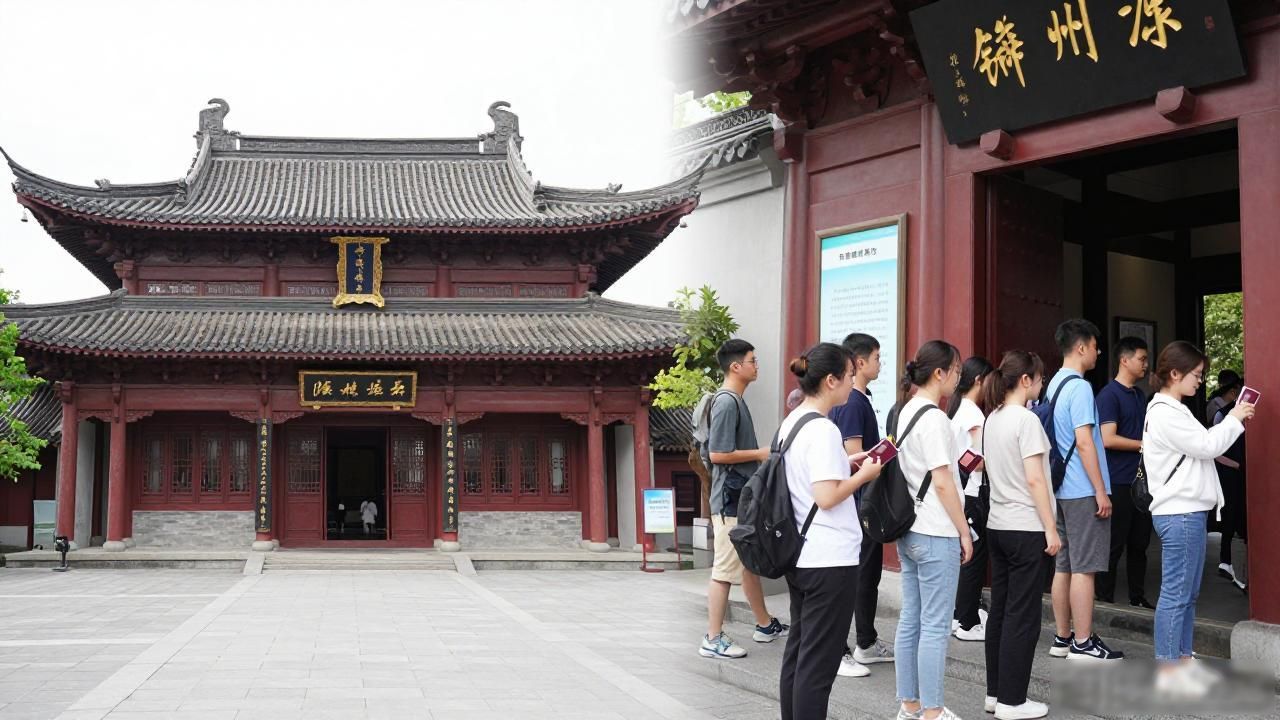
Most museums in Hangzhou are free, but you need to bring your passport to get a ticket. Some require a reservation in advance, especially during Chinese holidays. The popular ones like the Zhejiang Provincial Museum can get crowded on weekends, so plan to go early in the morning or late in the afternoon.
Location matters. Many museums are clustered around West Lake and the city center. You can easily visit two or three in one day if you walk or take short taxi rides. For example, you can start at the China National Silk Museum, then head to the Hangzhou Museum, and finish at the Folk Art Museum. They are all within a 20-minute drive of each other.
Public transportation is convenient. The Hangzhou Metro has stations near most major museums. Line 1 takes you to the Wulin Square area, where you can find the Zhejiang Provincial Museum. Buses and bikes are also good options. Just download a map app and check the opening hours before you go, as some museums close on Mondays.

Don’t forget to check the museum gift shops. They sell unique souvenirs like silk scarves, tea sets, and handmade crafts. These make great gifts and are often cheaper than buying similar items in tourist shops. Some museums even have tea houses where you can rest and enjoy a cup of Longjing tea.
Hangzhou museums offer a quiet, educational escape from the busy streets. They show you the city’s soul in a way that sightseeing alone cannot. Take your time, read the displays, and let the stories of ancient China unfold in front of you.