
Guangzhou is a city that rewards those who plan a little and wander a lot. As the capital of Guangdong Province and the heart of Cantonese culture, it offers a mix of ancient history, modern architecture, and one of the most celebrated food scenes in China. The best Guangzhou travel routes are not just about checking off sights—they’re about tasting, walking, and feeling the rhythm of a city that has been a trading port for over two thousand years. Whether you have two days or five, the key is to group attractions by neighborhood and let your appetite guide you.
What is the best route to see Guangzhou in 2 days

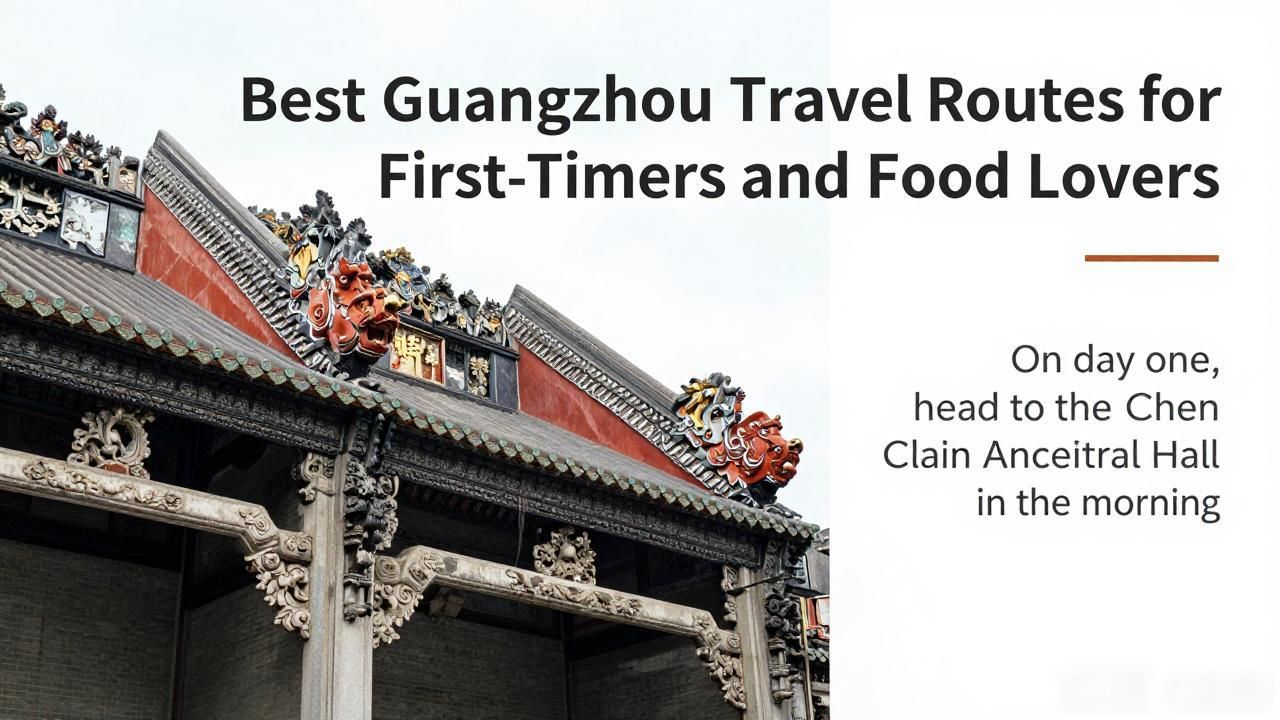
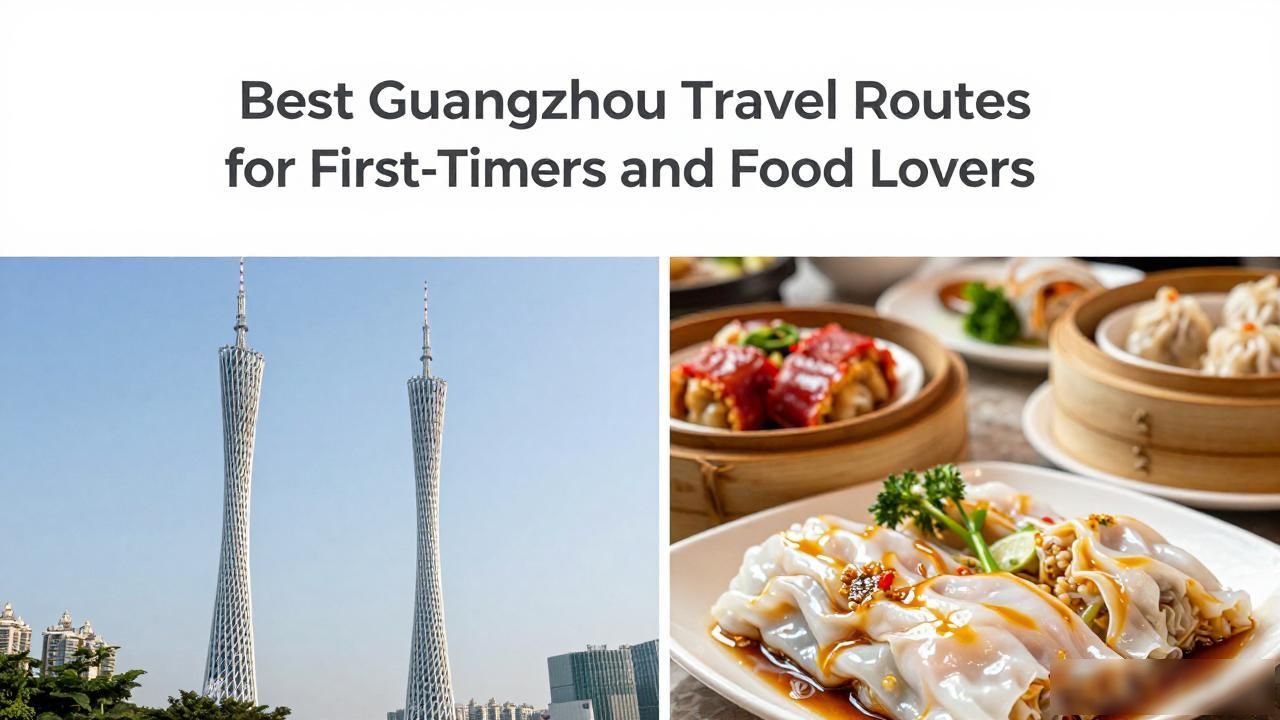
If your time is short, start with the old and the new in one sweep. On day one, head to the Chen Clan Ancestral Hall in the morning. This complex is a masterpiece of Lingnan architecture, with intricate woodcarvings, brick carvings, and colorful ceramic ridges that tell folk tales. From there, walk to the nearby Shamian Island, a quiet tree-lined enclave of colonial buildings that feels like a different century. The contrast is stark—crowded alleys give way to wide boulevards and European-style facades. In the afternoon, take the metro to Canton Tower. Ride up before sunset so you can watch the city lights flicker on across the Pearl River. The view from the observation deck is the single best way to understand Guangzhou’s scale.
On day two, dedicate the morning to the Temple of the Six Banyan Trees. The Flower Pagoda inside is over a thousand years old, and the surrounding lanes are full of small shops selling incense, tea, and calligraphy supplies. After that, walk to the nearby Beijing Road, where you’ll find a glass floor exposing ancient road layers from the Song Dynasty. It’s a strange and wonderful sight—modern shoppers walking over a thousand-year-old street. Spend the afternoon in the Yuexiu Park area, home to the Five Rams Statue and the Zhenhai Tower. These are the symbols of Guangzhou,and the park itself is a favorite spot for locals practicing tai chi or playing cards under the banyan trees.
How do I plan a food-focused Guangzhou travel route
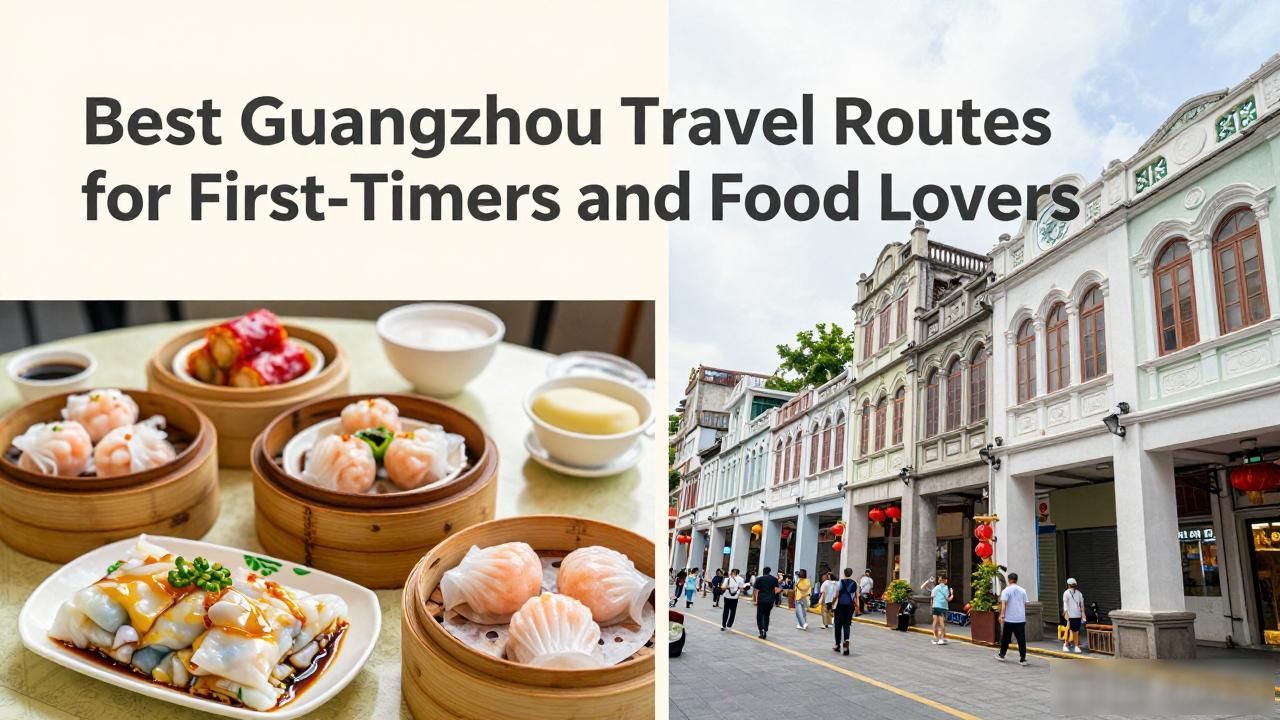
Eating is not an activity in Guangzhou—it is the activity. The best way to plan a food route is to follow the districts where locals actually eat. Start in the old quarter around Xiguan, specifically on Longjin Road and Baohua Road. These streets are packed with small shops serving cheong fun, rice rolls with soy sauce, and wonton noodles with shrimp and pork. The broth is light but deeply savory, and the noodles are springy. Go early, before 10 a.m., because the best bowls sell out by noon. Across the road, you’ll find stalls selling egg tarts with flaky crusts and a custard center that wobbles just slightly when you bite into them.
For lunch, head to the Shangxiajiu Pedestrian Street, but skip the touristy restaurants and look for the narrow side alleys. There, you’ll find claypot rice sizzling with Chinese sausage and salted fish, and bowls of double-skin milk that are sweet, silky, and slightly warm. In the evening, take a taxi to the Panyu district for a proper seafood dinner. The restaurants there line the river, and you pick your fish, crab, or shrimp from tanks before they’re cooked. It’s not cheap, but it’s the freshest meal you’ll have in the city. If you’re on a budget, the night market near the Pearl River New Town has grilled oysters, skewers, and cold beer for a fraction of the price.
A good rule for any Guangzhou route is to build in time for tea. Afternoon tea at a traditional dim sum house, like the old halls on Wende Road, is a ritual. The carts come around with bamboo steamers of shrimp dumplings, pork buns, and chicken feet. You don’t order—you just point. The tea is usually oolong or pu-erh, and it cuts through the richness of the food. This is not a quick meal; it’s a two-hour affair with newspapers, gossip, and endless small plates. Plan your route around it, not against it.