

China‘s Great Wall stretches across mountains, valleys, and deserts for over 13,000 miles. Only a handful of sections are open to visitors, and each offers a completely different experience. The wall near Beijing draws millions of tourists every year, but traveling all that distance to see restored walkways packed with souvenir vendors misses the point. The real magic of the Great Wall lies in choosing the right section for what you want to get out of the trip.
Badaling vs Mutianyu, which is better

Badaling is the most famous section of the Great Wall, and for good reason. It was the first part of the wall restored for public access in the 1950s. The walkways are wide, the steps are manageable, and the nearest station makes it easy to reach from downtown Beijing. You will find yourself surrounded by thousands of other visitors, especially during holidays and summer weekends. The views are solid, the structures are impressive, and the whole experience feels very much like a managed tourist attraction.
Mutianyu sits about thirty minutes farther from Beijing than Badaling, and that distance makes all the difference. The wall here winds through denser forest and steeper terrain, which naturally limits the crowd. Cable cars and a long slide down the mountain add fun for families, but the real draw is the feeling of walking on ancient stone with far fewer people around. In my opinion, Mutianyu beats Badaling for most travelers who want authenticity without extreme difficulty.
Jiankou Great Wall for thrill seekers
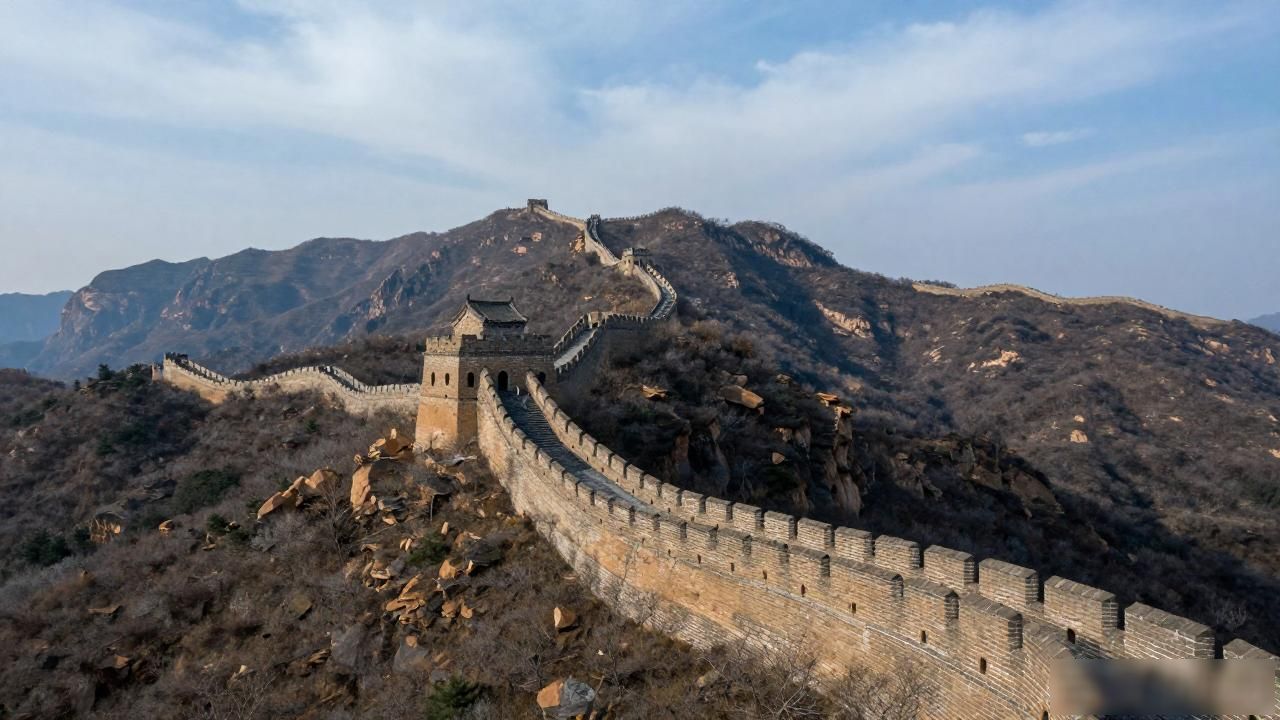
Jiankou is where the wall goes raw and dangerous. This section near Beijing has never been restored, and parts of it cling to cliff edges at angles that make your stomach drop. The name literally translates to “Arrow-Nock,” referencing the incredibly steep ridge you must climb to reach the highest point. Serious hikers flock here for the challenge and the photography opportunities. The crumbling bricks, collapsed watchtowers, and sheer drops create scenes that look like something out of a war movie.
The warning here is not playful. Multiple deaths have been recorded on Jiankou each year from falls, heat exhaustion, and getting stranded on sections that have no safe way down. You need proper hiking boots, plenty of water, a detailed map, and a partner who can handle rough terrain. If you are not prepared for any of that, do not attempt this section. The reward is absolutely worth it for experienced hikers,but the risk is real and unforgiving.
Jinshanling for a balanced experience
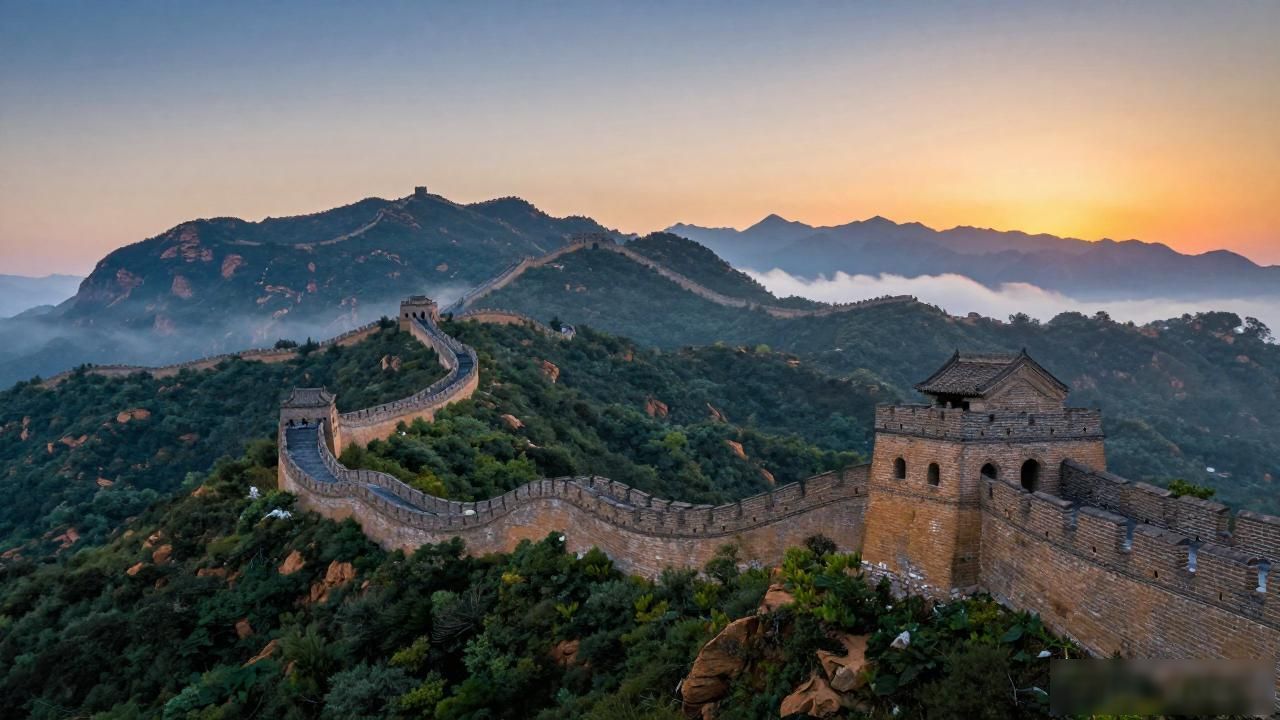
Jinanling occupies the sweet spot between easy accessibility and wild adventure. The section extends roughly five kilometers along the ridge, and about two-thirds of it has been carefully restored while the rest stays in its original condition. You can walk comfortably on the rebuilt portions, then venture onto the wilder stretches if you want a bit of excitement. The towers are intact, the steps are graded properly, and the mountain backdrop is stunning in every direction.
What makes Jinshanling special is how quiet it gets after the morning tour groups leave. Most visitors arrive by bus from Chengde or Beijing and head straight for the photogenic spots near the main parking area. By early afternoon, the western end of the trail goes almost entirely empty. Walking alone on a restored tower with nothing but wind and mountain views stretching for miles is the kind of moment that makes the trip worthwhile. A full day hiking from Jinshanling eastward toward Simatai is one of the classic Great Wall trekking routes, and it remains one of the best days any visitor can spend outdoors in northern China.