
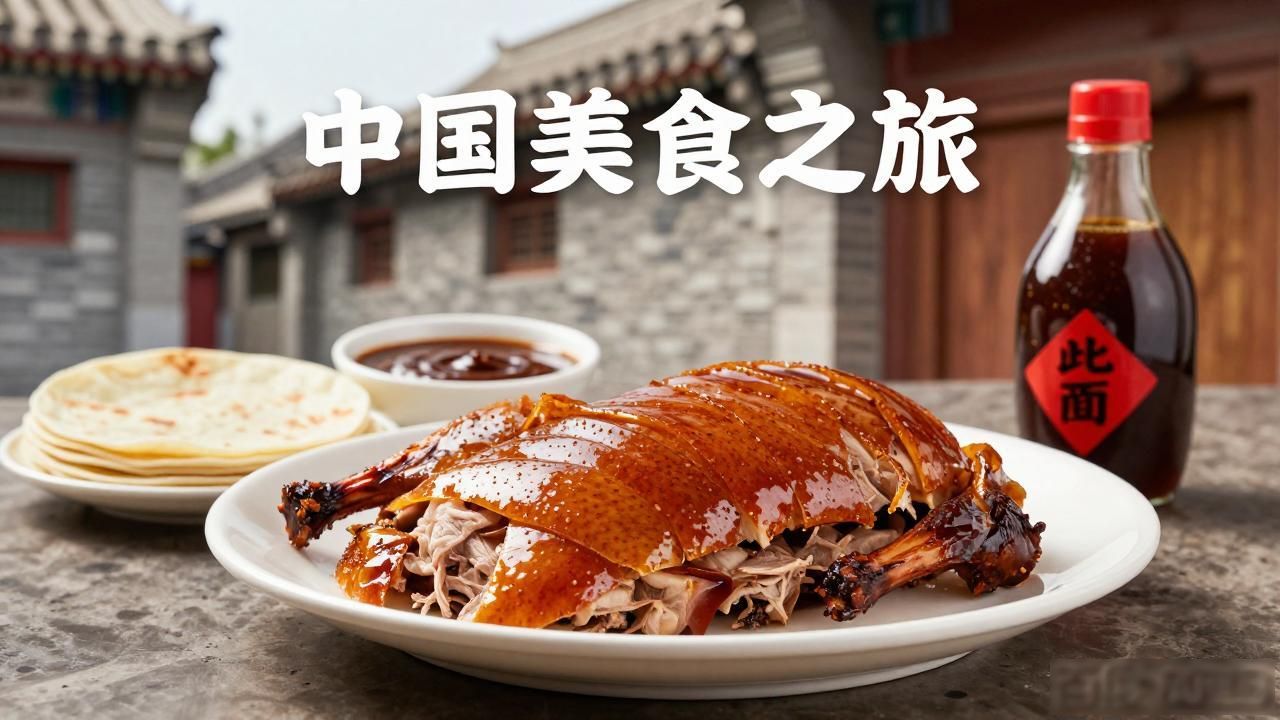
A China food tasting tour is not just about eating—it’s about understanding a culture through its flavors. From sizzling street stalls to refined regional dishes, this journey takes you beyond the tourist menus and into the heart of what locals actually eat. Whether you are a curious traveler or a passionate foodie, this guide will show you what to expect, where to go, and how to make the most of your culinary adventure in China.
What dishes should you try on a food tasting tour

Every region in China has its own signature flavors, and a food tasting tour is your chance to sample them all. In Beijing, you cannot miss Peking duck with its crispy skin and tender meat, often wrapped in thin pancakes with hoisin sauce. Head to Sichuan province for mapo tofu and hot pot,where the numbing heat of Sichuan peppercorns will wake up your taste buds. Down in Guangdong, dim sum offers a delicate contrast with steamed dumplings, barbecue pork buns, and shrimp rolls.
But the real magic lies in the street food. In Xi’an, the Muslim Quarter is alive with the smell of grilled lamb skewers and the sight of flatbread being torn into bowls of steaming lamb soup. In Shanghai, grab a basket of soup dumplings, careful not to burn your tongue on the hot broth inside. Night markets in cities like Chengdu and Guangzhou offer everything from spicy cold noodles to fried tofu, giving you a raw and honest taste of local life.
For a deeper experience, join a guided food walk. Local guides take you away from tourist traps and into hidden alleys where family-run stalls have been operating for generations. They explain the history behind each dish, the ingredients used, and the proper way to eat them. This transforms a simple meal into a cultural lesson you won’t forget.
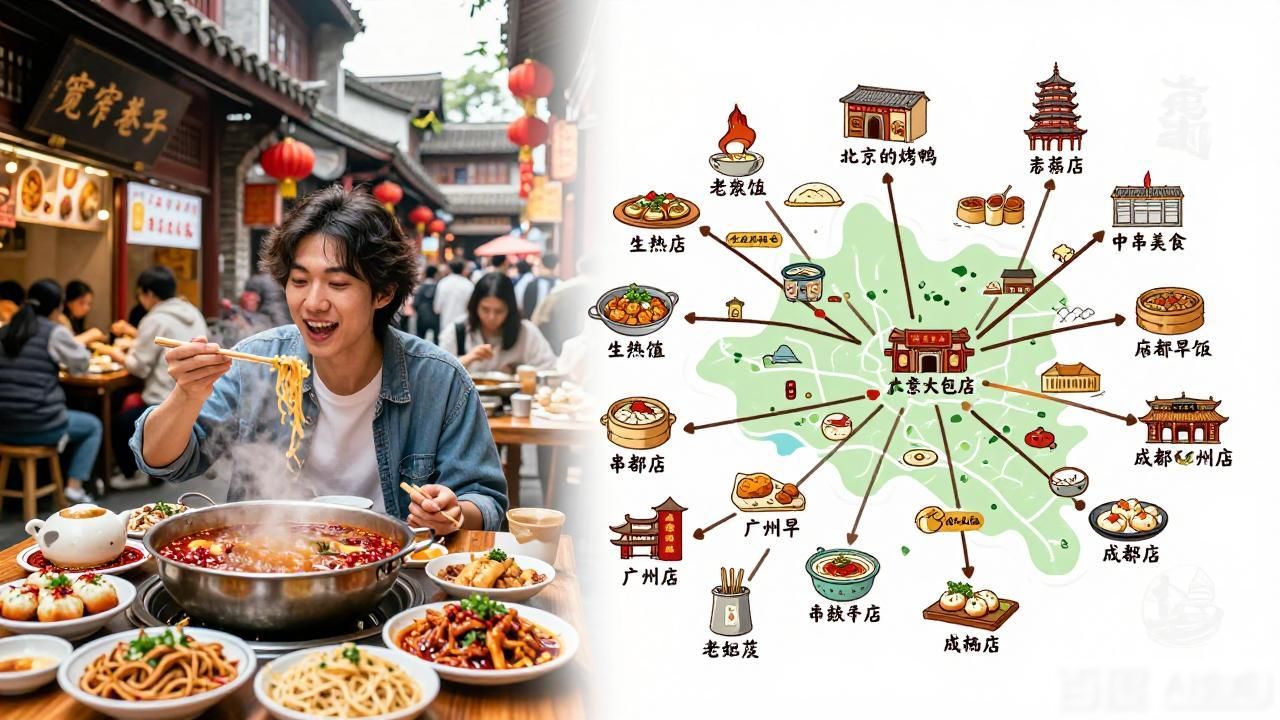
How to plan your China food tasting tour
Planning a food tour in China requires a bit of research but is well worth the effort. Start by choosing a few key cities that represent different culinary traditions. A common route is Beijing, Xi’an, Chengdu, and Shanghai. Each city offers distinct flavors and cooking styles, so you get a broad picture of Chinese cuisine in one trip.
Timing matters too. Many food streets and markets are busiest in the evening, so schedule your days to allow for late-night eating. Also, be aware of local dining etiquette. For example, it is common to share dishes family-style in China, and slurping noodles is not rude but a sign of enjoyment. Learning a few basic phrases like “bu la” (not spicy) can help if you have a low spice tolerance.
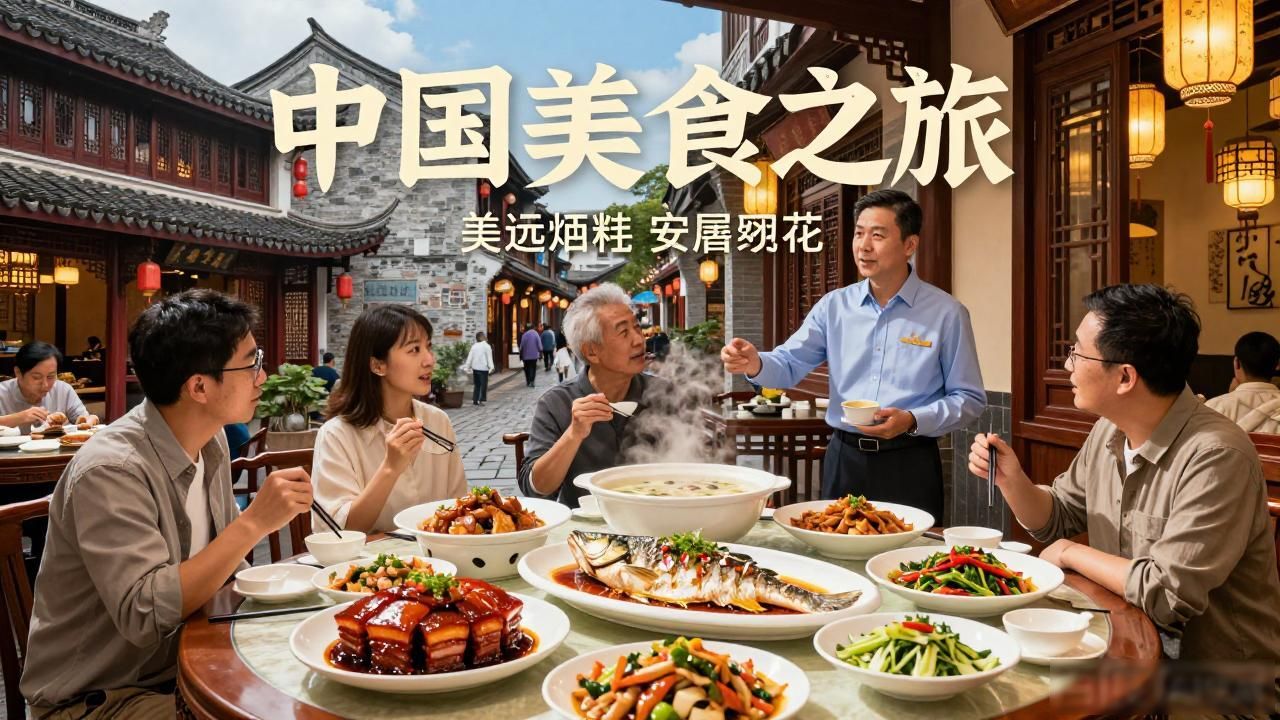
If you prefer a structured experience, consider booking a food tour package. These tours often include transportation, English-speaking guides, and carefully selected restaurants and street vendors. They save you the hassle of navigating unfamiliar menus and ensure you try authentic dishes rather than tourist versions. Some tours even offer cooking classes, where you can learn to make dumplings or hand-pulled noodles yourself.
Finally, pack an open mind and an empty stomach. Chinese food is incredibly diverse, and some dishes might look unfamiliar or smell strong at first. Try everything at least once. That stinky tofu in Changsha or the raw crab in Shanghai might become your favorite memory of the trip.